Why the Resident Evil 4 Remake Cinematic Style Works So Well 52729
When Capcom announced a full remake of Resident Evil 4, I felt the same mix of excitement and dread that many longtime fans did. The original game from 2005 is a masterpiece of pacing and atmosphere. Its campy B-movie tone, over-the-top dialogue, and tightly designed action sequences set a standard that few games have matched. The idea of remaking it, especially after the excellent Resident Evil 2 and 3 remakes, raised a big question: could they capture the same magic while modernizing the experience? Having spent dozens of hours with the remake, I think the answer lies in how the team approached the resident evil 4 remake cinematic direction.
What Cinematic Means in a Game Like Resident Evil 4
The word "cinematic" gets thrown around a lot in game marketing. For Resident Evil 4, it means more than just fancy cutscenes or dramatic camera angles. The original game already had a strong cinematic feel, with its over-the-shoulder camera, quick time events, and set piece moments like the village invasion or the cabin siege. The remake takes that foundation and pushes it further by blending gameplay and story into a more seamless flow.
Instead of cutting away to a cutscene for every major event, the remake often keeps you in control while the action unfolds around you. Leon walks through a door and the environment shifts, enemies burst through windows, and the lighting changes to signal danger. That continuity keeps you anchored in the moment. It is not just about looking like a movie. It is about feeling like you are inside one, where every encounter carries weight and the camera work supports the tension.
Lighting and Atmosphere as Storytelling Tools
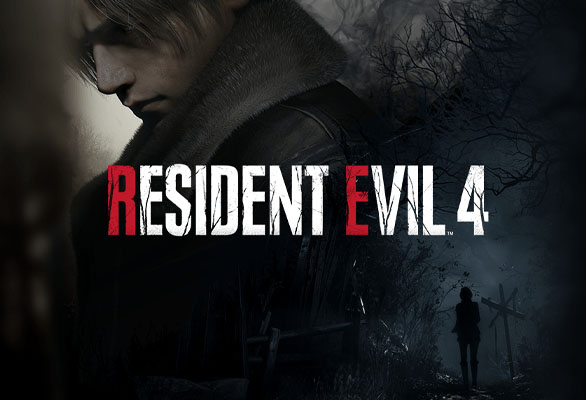
One of the first things I noticed when I started the remake was how much the lighting sets the mood. The original game was bright in many areas, with a kind of plastic sheen that suited its era. The remake goes darker, more contrast-heavy, and shadows feel dangerous. The village at night is genuinely intimidating. The way light filters through the trees or bounces off wet stone feels real, and that realism makes the horror hit harder.
The resident evil 4 remake cinematic approach uses lighting not just for atmosphere but to guide the player. In the castle sections, the flicker of torches and the glow of moonlight point you toward objectives without needing a waypoint marker. The darkness hides enemies until the last second. That kind of design respects the player's intuition and rewards careful observation. It is a lesson in showing rather than telling.
Sound Design and the Absence of Silence
Sound plays an equally important role. The remake's audio team did incredible work with environmental noise. Water dripping, wind whistling through broken windows, the distant growl of a Ganado, these sounds build a world that feels alive and hostile. The soundtrack, while borrowing themes from the original, is more restrained. It knows when to pull back and let the silence speak.
That restraint is a hallmark of good cinematic storytelling. When Leon enters a quiet room and the only sound is his own breathing, you know something is about to happen. The game uses that tension masterfully, and the sound design is a big part of why the remake feels so immersive. It is not just about loud explosions and dramatic music. It is about the space between them, the moments where the game trusts the player to feel the dread.
Character Performance and Motion Capture
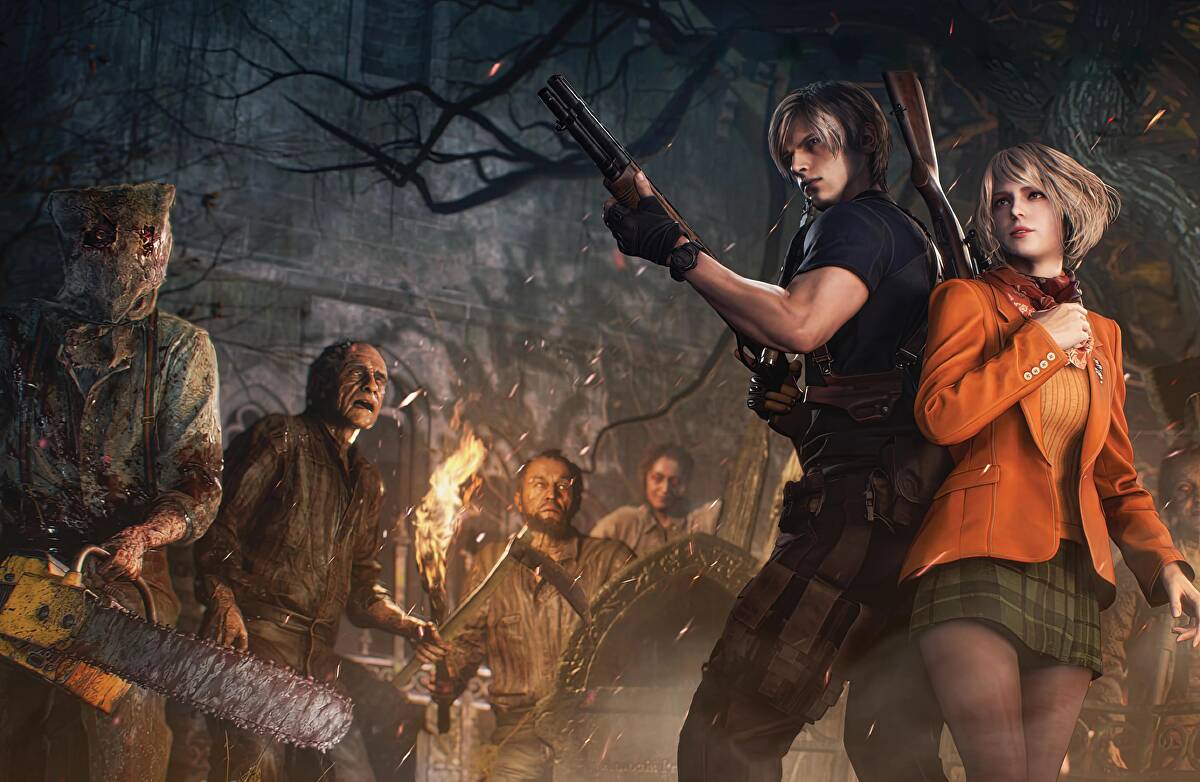
The original Resident Evil 4 had memorable voice acting, but it was very much of its time. The dialogue had a certain cheese that fans loved, but it could pull you out of the horror. The remake takes a more grounded approach. Leon Kennedy sounds like a veteran agent, tired but capable. Ashley Graham is no longer just a damsel in distress; her performance conveys fear and determination in equal measure. The motion capture work is top notch, with subtle facial expressions and body language that add layers to every scene.
That shift in performance changes how you connect with the story. When Leon reacts to a shocking reveal, you see it in his eyes and his posture, not just in a line of dialogue. The resident evil 4 remake cinematic direction benefits enormously from this upgrade. It turns what could be a simple horror action plot into something with genuine emotional stakes. You care about these characters because they feel like real people caught in a nightmare.

Set Pieces That Flow Into Gameplay
The remake introduces several new set pieces and reimagines old ones. The lake del Lago fight, for example, is no longer a quick time event. It becomes a full gameplay sequence where you navigate the lake, dodge attacks, and find opportunities to strike. That change keeps you engaged as a player rather than a spectator. The same goes for the mine cart section and the Verdugo castle siege. These moments blend cinematic flair with player agency in a way that feels natural.
The game also uses dynamic camera angles during combat. When Leon kicks a ladder or shoots a switch, the camera shifts to give you a better view of the environment. It never takes control away, but it guides your attention. That is a subtle but powerful tool. It keeps the action readable without breaking immersion. I found myself appreciating these small touches more on a second playthrough, noticing how the camera work mirrors classic horror film techniques.
Trade Offs and Design Choices
No remake is perfect, and the Resident Evil 4 remake does make some trade offs. The original had a certain arcade like energy, with its laser sight aiming and quick inventory management. The remake slows things down, emphasizing resource management and tactical decision making. Some purists miss the old feel, and I understand why. But the remake's approach fits its cinematic goals. A slower pace gives the horror room to breathe. It makes every bullet count and every healing item feel precious.
The game also reduces the number of enemy encounters in some areas, focusing on quality over quantity. That decision pays off in the castle and island sections, where each fight feels like a set piece rather than a grind. The merchants and side characters like the Merchant and the Blue Medallion are still present, but their interactions are more integrated into the story. It is a leaner, more focused experience that respects the player's time.
Why It Matters for the Series
The Resident Evil 4 remake is not just a nostalgia trip. It is a statement about how survival horror can evolve. By prioritizing cinematic storytelling through lighting, sound, performance, and gameplay integration, Capcom has created a game that stands on its own while honoring the original. It proves that remakes can be more than just graphical updates. They can reinterpret the source material for a new generation while keeping the spirit alive.
For anyone who has not played the original, the remake is a perfect entry point. For veterans, it offers a fresh perspective on a classic. The resident evil 4 remake cinematic style is a key reason the game works so well. It respects the past but is not afraid to change things. That balance is hard to achieve, and the team deserves credit for pulling it off. If you have not experienced it yet, do yourself a favor and play it with good headphones in a dark room. It will change how you think about horror games.
