Why the Resident Evil 4 Remake Cinematic Style Works So Well
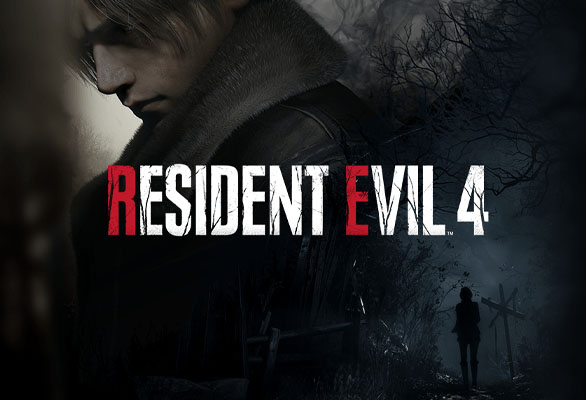
When Capcom announced a remake of Resident Evil 4, a lot of us who grew up with the original felt a mix of excitement and nervousness. The 2005 game had a very specific rhythm. Its over-the-shoulder camera, campy dialogue, and deliberate pacing made it stand out. A remake could either modernise that spirit or flatten it into something generic. Now that the game has been out for a while, one aspect keeps coming up in conversations among fans and critics alike: the resident evil 4 remake cinematic approach. It is not just about better graphics. It is about how Capcom used camera work, lighting, and performance capture to tell a familiar story with fresh emotional weight.
Let me walk through what makes this remake's cinematic design work so well, where it stumbles, and why it matters for the survival horror genre going forward.
Recontextualising the Story Through Camera and Lighting
The original Resident Evil 4 had what you might call a B-movie charm. Leon S. Kennedy walked into a Spanish village, kicked a lot of wooden crates, and delivered one-liners with a straight face. The remake keeps the same plot beats, but the resident evil 4 remake cinematic language reframes them. Instead of feeling like a cheesy action flick, the scenes now carry a sense of dread and melancholy.
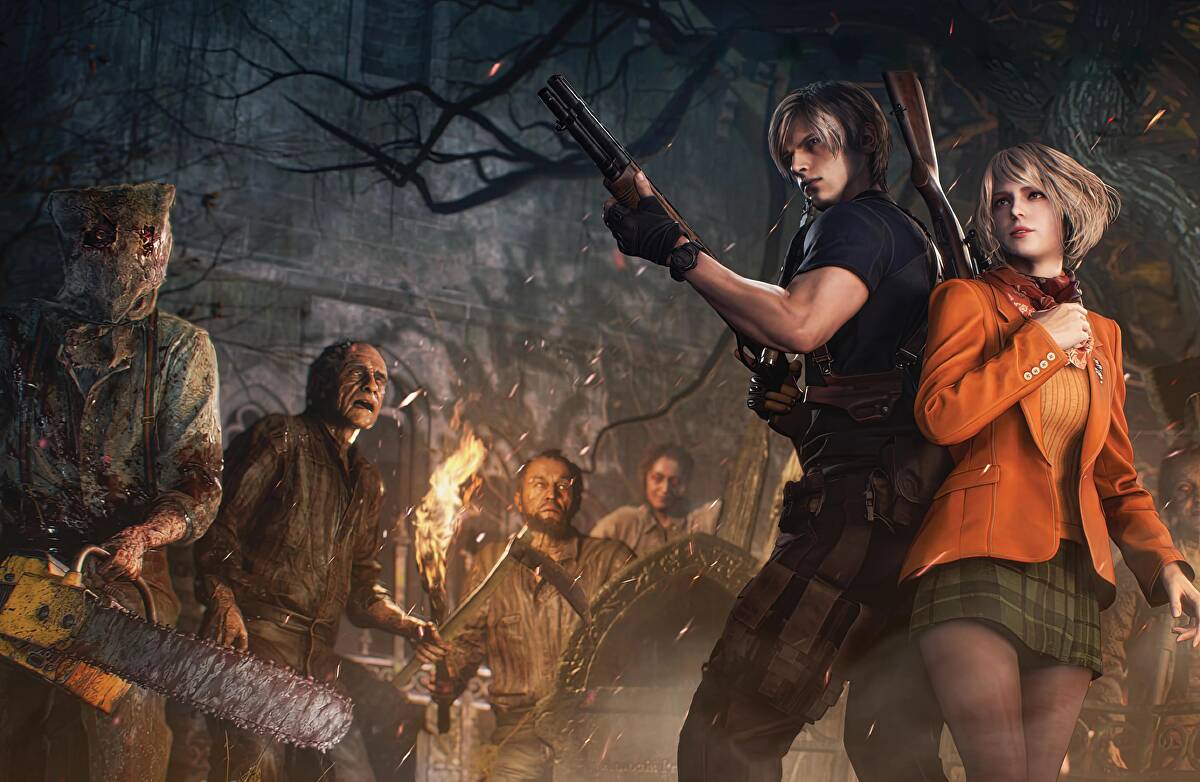
Take the first encounter with the village mob. In the original, it was a frantic set piece with a lot of running and shooting. In the remake, the camera lingers on the villagers' faces. You see their hollow eyes, the torches casting long shadows across cobblestones, and the way Leon's breathing becomes visible in the cold night air. The lighting is not just atmospheric. It actively guides your eye to where the next threat comes from. A well-placed lantern or a shaft of moonlight tells you where to look before you even hear the Ganado chant.
This is where the remake's cinematic style proves its value. It does not just make the game prettier. It uses visual language to reinforce gameplay cues. When a room goes dark and the only light source is Leon's flashlight, you know an ambush is coming. The game teaches you through its cinematography, not through text prompts or audio logs.
Performance Capture and Facial Animation: The Human Element
One of the biggest leaps from the original to the remake is how characters express emotion. The original used stylised cutscenes with exaggerated gestures. They were memorable but rarely subtle. The remake uses full performance capture, and the difference is night and day.
Leon himself benefits the most. In the original, he was a stoic action hero who rarely showed fear. In the remake, you see his jaw tighten when he realises the extent of the Los Iluminados infection. His eyes dart around during tense conversations. When he talks to Ada Wong, there is a guardedness that hints at their shared history without needing a flashback. That nuance comes directly from the resident evil 4 remake cinematic focus on close-ups and reaction shots.
Ramon Salazar, the villain, also gets a visual upgrade. His face now shows genuine menace mixed with a kind of twisted paternal affection for the cult. The way he tilts his head or pauses before speaking adds layers that the original's lower-resolution models could not convey. These small choices make the story feel less like a cartoon and more like a dark fairy tale.
Where the Cinematic Approach Meets Gameplay Friction
Not everything works perfectly. The remake's cinematic ambition sometimes clashes with player agency. There are moments where the camera pulls away from your control to show a dramatic shot, and during those moments, you can still take damage from enemies off-screen. It is a minor gripe, but it breaks immersion when you get hit by a projectile that the game did not let you see.
Another friction point is the pacing of cutscenes versus exploration. The original had long stretches of gameplay with relatively few cutscenes. The remake inserts more story beats, especially in the village hub areas. Some players feel this interrupts the flow of combat and resource management. I have found that playing on a higher difficulty setting actually mitigates this, because the tension between cutscenes becomes sharper. When you know you might die in the next encounter, a quiet dialogue scene feels like a pause for breath rather than an interruption.

Still, the trade-off is worth it for most players. The remake's cinematic style gives the story a gravity that the original only hinted at. It makes you care about the characters, which in turn makes the horror more effective. When a villager transforms in front of you, the horror lands harder because you have seen their face before the change.
Sound Design and Score: The Unseen Cinematic Layer
A great cinematic experience is not just visual. The remake's sound design deserves as much credit as its graphics. The original had iconic sound effects, but the remake builds a richer audio landscape. Footsteps echo differently in stone corridors versus muddy fields. The ambient noise of wind through ruined churches or the distant howl of a wolf creates a sense of place that the original could only imply with its limited audio hardware.
The score also shifts tone. The original's music was more percussive and action-oriented. The remake uses a lot of low strings and dissonant piano notes. It feels closer to a horror film score than a video game soundtrack. The music swells at emotional beats but stays restrained during exploration, letting the environmental sounds carry the tension. This audio design works hand-in-hand with the cinematic camera work to create a cohesive mood.
Practical Lessons for Other Remakes
What can other developers learn from the resident evil 4 remake cinematic approach? A few things stand out.
- Respect the original's core while reinterpreting its presentation. The remake changes how scenes are shot but keeps the same story structure and dialogue beats.
- Use lighting and camera movement to reinforce gameplay, not just to look cool. Every dramatic angle in the remake has a practical purpose for the player's awareness.
- Invest in performance capture for main characters. The difference in emotional range between the original and remake is enormous, and it directly affects how invested players feel.
- Do not be afraid to slow down the pacing in service of atmosphere. The remake takes more time to establish mood, and that makes the action sequences hit harder.
- Let the sound design do heavy lifting. A good audio mix can sell a scene better than expensive particle effects.
The Verdict: A New Benchmark for Cinematic Horror Games
The Resident Evil 4 remake is not perfect, but its cinematic execution sets a high bar. It proves that a remake can honour what came before while also feeling like a modern production. The game does not just rely on nostalgia. It earns its scares and its emotional moments through careful direction.
For anyone who has played the original, the remake offers a new way to experience a familiar story. For newcomers, it stands on its own as a well-crafted horror action game. The resident evil 4 remake cinematic style is a big reason why it works. It bridges the gap between classic game design and contemporary storytelling expectations without losing the weird, tense energy that made the original a classic.
If you have not played it yet, go in with an open mind. Expect a different tone, but one that respects the source material. And pay attention to the little visual and audio details. They are not decoration. They are the language of the game's cinematic vision, and they tell a story that the script alone never could.
