Why Regular Matters in a Top Quality Memory Care Setting
Business Name: BeeHive Homes of Levelland
Address: 140 County Rd, Levelland, TX 79336
Phone: (806) 452-5883
BeeHive Homes of Levelland
Beehive Homes of Levelland assisted living care is ideal for those who value their independence but require help with some of the activities of daily living. Residents enjoy 24-hour support, private bedrooms with baths, medication monitoring, home-cooked meals, housekeeping and laundry services, social activities and outings, and daily physical and mental exercise opportunities. Beehive Homes memory care services accommodates the growing number of seniors affected by memory loss and dementia. Beehive Homes offers respite (short-term) care for your loved one should the need arise. Whether help is needed after a surgery or illness, for vacation coverage, or just a break from the routine, respite care provides you peace of mind for any length of stay.
140 County Rd, Levelland, TX 79336
Business Hours
Follow Us:
Routine is not a small detail in memory care. It is often the difference between a day that really feels convenient and a day that really feels confusing, frightening, or exhausting. For a person living with Alzheimer's disease or an additional type of dementia, the globe can come to be unforeseeable in means the majority of us never observe. A lost things can feel like a situation. A loud hallway can seem like an alarm. A straightforward adjustment in lunch time can shake off the remainder of the afternoon.
That is why a strong memory care environment is constructed around rhythm. Meals take place at approximately the exact same time. Acquainted caretakers get here with familiar greetings. Activities comply with a pattern that citizens can begin to recognize, even when short-term memory is undependable. The objective is not to make life inflexible. It is to develop adequate consistency that an individual can unwind into the day without constantly trying to reorient themselves.
Families looking for memory care near me commonly ask about safety first, and that makes sense. Safety matters. Yet routine is worthy of just as much focus. A secure setting without thoughtful structure can still leave an individual agitated, withdrawn, or immune to care. The best elder care settings comprehend that the everyday circulation of life belongs to the care strategy, not a background detail.
Why routine feels different when memory is fading
Many people think dementia is only about failing to remember names, deals with, or visits. Those losses are real, however they are just part of the tale. Memory modifications often impact a person's capacity to sequence occasions, forecast what takes place next off, and relocate from one job to another. That is why a resident might seem calm at morning meal and distressed ten mins later when asked to change areas or begin a new activity without warning.
A predictable routine lowers the variety of choices an individual has to make in a day. That matters greater than people realize. For a resident who battles with processing or language, each unforeseen option creates job. Should I stay right here or go there? Is this person helping me or rushing me? Did I already eat? What comes next? In time, that psychological tons can result in tiredness and frustration.
In a high quality memory care setting, employee do not merely "keep things on schedule." They understand exactly how important it is to protect a consistent speed. They know when to decrease, when to sign gently, and when to leave enough time in between steps so an individual can absorb what is taking place. That sort of pacing makes care really feel considerate instead of corrective.
Familiar patterns construct emotional safety
The individuals that do best in memory care typically are not the ones that never withstand modification. They are the ones that are given sufficient repetition to begin trusting their surroundings. Familiar patterns build emotional safety. When a resident recognizes that breakfast senior care complies with the same morning greeting, that a favorite chair is offered after lunch, or that songs begins prior to night winding-down, the setting starts to really feel less threatening.
I have actually seen citizens that were at first questionable of every communication soften after a couple of weeks of consistent rhythm. Not because their memory returned, but due to the fact that their body discovered what to expect. That sort of learning runs much deeper than short-term recall. A resident may not remember the name of the caretaker that helped them place on a sweatshirt the other day, yet still react with noticeable alleviation when that exact same caretaker makes use of the same calm voice and regular today.
This is one reason quality memory care is so different from a basic senior living setting. In broader senior care, versatility is typically encouraged and can be healthy and balanced. In memory care, too much versatility can create complication. Predictability is not uninteresting in this context. It is comforting.
Routine supports dignity, not just calm
There is a refined yet vital difference between maintaining somebody calm and recognizing their self-respect. A hurried morning can leave a resident sensation like an item being moved with tasks. A thoughtful routine maintains selection inside structure. That matters in elder care, where a person's sense of self can be weakened by a lot of modifications, way too many surprises, or way too many stopped working attempts.
A good routine provides homeowners small points of control. They may pick between 2 t shirts, select a favored juice, or make a decision whether to sit by the home window or the yard door after lunch. Those options are significant since they take place inside a stable structure. The resident does not need to manage the entire day. They just require to engage with manageable moments.
This balance is just one of the hallmarks of solid memory care. Personnel do not force freedom where it has become stressful, however they additionally do not strip away freedom needlessly. The routine itself develops sufficient scaffolding for the individual to participate without feeling bewildered. That is a much more gentle approach than repeatedly testing what a person can or can not do.
The ideal regimens feel all-natural, not mechanical
There is a temptation to think routine means strict timetables posted on a wall surface and complied with to the min. That is seldom what works best in memory care. People with dementia are not machines, and a stiff schedule can backfire if it ignores mood, power, medicine effects, or a resident's level of involvement on an offered day.
The best regimens are structured yet human. Team member might maintain the order of business constant while adjusting the speed. If somebody is tired after an inadequate night's sleep, they may require a slower morning. If a resident is particularly sharp at 3 p.m., that could be the right time for a stroll, a craft, or a songs session. Great memory care does not eliminate uniqueness. It utilizes routine as a frame, then loads it with individual knowledge.
That's where experience matters. A seasoned caregiver notices the refined changes that recommend when a person needs peace of mind, a treat, a bathroom break, or simply a couple of peaceful minutes. The routine remains in position, yet it bends sufficient to serve the resident instead of the schedule.
Routine helps reduce stress and anxiety for households, too
Families commonly come to memory care lugging months or years of concern. They have seen missed out on medicines, straying, repeated telephone call, nighttime confusion, and the emotional toll of attempting to manage everything in your home. When they start seeking senior living near me, they normally desire one central point, peace of mind.
Routine supplies that peace in a practical way. A member of the family can a lot more quickly trust a setting where the day is foreseeable and communication is consistent. They understand their loved one is being used dishes at routine times, led via bathing with a tranquil series, and supported by caregivers who recognize the resident's common practices. That predictability reduces the undetectable problem households carry.
It additionally helps during visits. Member of the family commonly state their loved one seems extra resolved when visits take place at acquainted times or comply with acquainted patterns. If Sunday afternoons are normally tranquil, that comes to be a good time for family. If nights tend to be a lot more confusing, a daytime visit may be kinder. A quality memory care neighborhood will certainly aid families find out these rhythms instead of leaving them to guess.
Routine and behavior are very closely connected
Many habits that look like stubbornness or defiance are really signs of distress. A resident may reject to bathe because the water feels unanticipated. They may pace due to the fact that they have no sense of what will take place next. They may ask to "go home" due to the fact that the environment really feels unknown, also if they are literally secure. Regular does not solve every behavior challenge, but it typically reduces the temperature level sufficient that staff can respond more effectively.
One practical example is the shift in between activities. If a resident relocations from lunch directly into a loud team program, frustration is common. A good memory care team typically constructs in a peaceful bridge, such as folding towels, listening to songs, or resting with tea for a couple of minutes. That transition time can protect against a lot of preventable distress.
The very same concept relates to personal care. Bathing, clothing, and toileting commonly go more smoothly when they take place in the very same order, at the same general time, with the exact same cues and the exact same tone. The resident learns the pattern, and the pattern reduces resistance. It is among the simplest and most reliable tools in memory care.

Small everyday rituals can bring a lot of weight
Not every valuable regimen needs to be official. Several of one of the most powerful ones are tiny, almost unseen from the exterior. An early morning mug of coffee offered in the exact same cup. A favored track played prior to lunch. A folded covering positioned over somebody's knees after the afternoon walk. A caregiver who begins each change with the very same warm greeting.
These routines issue due to the fact that memory loss frequently strips away a person's capacity to hold onto the wide shape of the day. Small routines create touchpoints. They inform the body, even when the mind doubts, that points are still recognizable here.
I have actually seen a resident that rarely signed up with team activities come to be much more engaged merely because the very same piano recording played each mid-day before snack. The songs was not a treatment, and it did not suddenly recover memory. It did something quieter and perhaps more important. It became a reputable sign that the day was moving in an enjoyable direction.
That kind of gentle repetition is among the silent toughness of top quality elder care. It does not require a huge feedback. It just makes the setting simpler to live in.
How regimen sustains far better rest and much better nights
Sleep problems are common in dementia care, and interfered with evenings can swiftly splash right into the next day. When someone is tired, their ability to deal declines. They may come to be more suspicious, more weeping, or most likely to roam. A steady regimen can help regulate the body's feeling of time.
Regular wake-up times, daytime activity, light exposure, meals, and an evening wind-down all contribute to better rest. The information matter. Way too much napping late in the day can make nighttime remainder even worse. Way too much excitement in the evening can make a resident troubled. A thoughtful memory care group watches these patterns very closely and adjusts where needed.
There is no ideal formula because each resident is various. Some people clear up with a peaceful chair, reduced illumination, and soft songs. Others rest better after a little bit of physical movement throughout the day. Still others need peace of mind and an extra calculated bedtime regimen. The point is not to impose a one-size-fits-all approach. The point is to utilize regular to reduce the turmoil that usually drives sleeplessness.
When routine need to change
It would certainly be unethical to pretend regular is always enough on its own. There are days when ailment, pain, despair, medication adjustments, or ecological disturbances make an acquainted pattern tougher to maintain. A resident who has actually been steady for weeks might suddenly end up being agitated after a brand-new medicine or an interrupted evening. Someone else might resist a long-held regimen after a healthcare facility stay due to the fact that the unknown setup has actually unsettled them.

This is where experienced memory care actually reveals its worth. Team member should understand when to hold the regular and when to revise it. An inflexible plan can end up being a poor plan if it ignores a person's present needs. Good care listens to the resident's body, mood, and behavior. Sometimes the appropriate response is to simplify the day, shorten the activity, or offer more rest. Occasionally it is to add framework because way too much disorganized time is creating anxiety.
Families often appreciate this adaptability, especially when contrasting different neighborhoods. When checking out senior living near me or planning respite care, it aids to ask exactly how a team adapts routine when a resident's needs shift. The solution states a lot about the culture of the place.
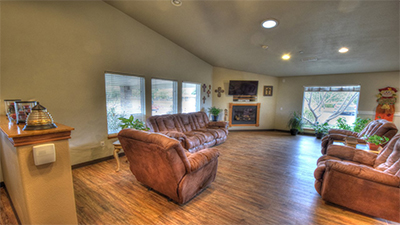
What family members need to discover throughout a visit
When visiting a memory care area, routine is not always introduced directly. You see it in just how the staff moves, just how citizens are welcomed, and how the environment really feels during ordinary moments. An area with great rhythm typically has a calmer ambience, even when it is active.
You may notice whether caretakers introduce themselves regularly, whether homeowners seem oriented by the flow of the day, and whether transitions are dealt with carefully. You could likewise observe whether the community really feels arranged without feeling clean and sterile. These details matter greater than sleek marketing language.
If you are evaluating memory care near me, take note of how the personnel talks about the everyday routine. Do they define regimens in a thoughtful, personalized way, or do they sound concentrated only on logistics? Do they mention personal choices, going to bed routines, preferred activities, and pacing? That type of language normally indicates a much deeper understanding of what every day life in memory care in fact requires.
A couple of functional indications deserve expecting during a tour:
- staff members use calm, familiar language with residents
- the day appears organized however not rushed
- residents have predictable places for meals, rest, and activities
- transitions between rooms or activities appear smooth
- caregivers can clarify exactly how they adapt routines for changing needs
Those information usually tell you greater than a glossy sales brochure ever could.
Routine is a form of compassion
It is very easy to undervalue routine since it looks ordinary. However average is frequently where care lives. A steady breakfast time. A client hint to stand up. A familiar chair. A foreseeable night pattern. These points do not draw attention to themselves, yet they can decrease fear and protect feature in manner ins which matter every day.
For somebody dealing with memory loss, a great routine says, "You do not need to figure whatever out right now. We will certainly help lug the framework." That message is relaxing. It is also deeply considerate. It acknowledges that the individual still is entitled to convenience, predictability, and a life with shape and rhythm.
That is why routine remains main in premium memory care. It helps citizens really feel much safer, gives family members extra self-confidence, and offers caretakers a far better foundation for purposeful support. In the ideal setting, routine is not a restriction. It is the framework that enables an individual to maintain living with steadiness, comfort, and as much self-respect as possible.
BeeHive Homes of Levelland provides assisted living care
BeeHive Homes of Levelland provides memory care services
BeeHive Homes of Levelland provides respite care services
BeeHive Homes of Levelland supports assistance with bathing and grooming
BeeHive Homes of Levelland offers private bedrooms with private bathrooms
BeeHive Homes of Levelland provides medication monitoring and documentation
BeeHive Homes of Levelland serves dietitian-approved meals
BeeHive Homes of Levelland provides housekeeping services
BeeHive Homes of Levelland provides laundry services
BeeHive Homes of Levelland offers community dining and social engagement activities
BeeHive Homes of Levelland features life enrichment activities
BeeHive Homes of Levelland supports personal care assistance during meals and daily routines
BeeHive Homes of Levelland promotes frequent physical and mental exercise opportunities
BeeHive Homes of Levelland provides a home-like residential environment
BeeHive Homes of Levelland creates customized care plans as residents’ needs change
BeeHive Homes of Levelland assesses individual resident care needs
BeeHive Homes of Levelland accepts private pay and long-term care insurance
BeeHive Homes of Levelland assists qualified veterans with Aid and Attendance benefits
BeeHive Homes of Levelland encourages meaningful resident-to-staff relationships
BeeHive Homes of Levelland delivers compassionate, attentive senior care focused on dignity and comfort
BeeHive Homes of Levelland has a phone number of (806) 452-5883
BeeHive Homes of Levelland has an address of 140 County Rd, Levelland, TX 79336
BeeHive Homes of Levelland has a website https://beehivehomes.com/locations/levelland/
BeeHive Homes of Levelland has Google Maps listing https://maps.app.goo.gl/G3GxEhBqW7U84tqe6
BeeHive Homes of Levelland Assisted Living has Facebook page https://www.facebook.com/beehivelevelland
BeeHive Homes of Levelland Assisted Living has YouTube page https://www.youtube.com/@WelcomeHomeBeeHiveHomes
BeeHive Homes of Levelland won Top Assisted Living Homes 2025
BeeHive Homes of Levelland earned Best Customer Service Award 2024
BeeHive Homes of Levelland placed 1st for Senior Living Communities 2025
People Also Ask about BeeHive Homes of Levelland
What is BeeHive Homes of Levelland Living monthly room rate?
The rate depends on the level of care that is needed. We do an initial evaluation for each potential resident to determine the level of care needed. The monthly rate is based on this evaluation. There are no hidden costs or fees
Can residents stay in BeeHive Homes until the end of their life?
Usually yes. There are exceptions, such as when there are safety issues with the resident, or they need 24 hour skilled nursing services
Do we have a nurse on staff?
No, but each BeeHive Home has a consulting Nurse available 24 – 7. if nursing services are needed, a doctor can order home health to come into the home
What are BeeHive Homes’ visiting hours?
Visiting hours are adjusted to accommodate the families and the resident’s needs… just not too early or too late
Do we have couple’s rooms available?
Yes, each home has rooms designed to accommodate couples. Please ask about the availability of these rooms
Where is BeeHive Homes of Levelland located?
BeeHive Homes of Levelland is conveniently located at 140 County Rd, Levelland, TX 79336. You can easily find directions on Google Maps or call at (806) 452-5883 Monday through Sunday 9:00am to 5:00pm
How can I contact BeeHive Homes of Levelland?
You can contact BeeHive Homes of Levelland by phone at: (806) 452-5883, visit their website at https://beehivehomes.com/locations/levelland/,or connect on social media via Facebook or YouTube
Conveniently located near Beehive Homes of Levelland Alamo Drafthouse Cinema Lubbock a great movie theater with full food & drink menu. Catch a movie and enjoy some great food while you wait.
