Where Do You Get the Medical Cannabis Card After the Prescription is Issued?
If you have been researching medical cannabis in the UK, you have likely encountered a flurry of conflicting information online. One of the most persistent myths I’ve encountered during my eight years in private clinic coordination is the existence of an "official government medical cannabis card."
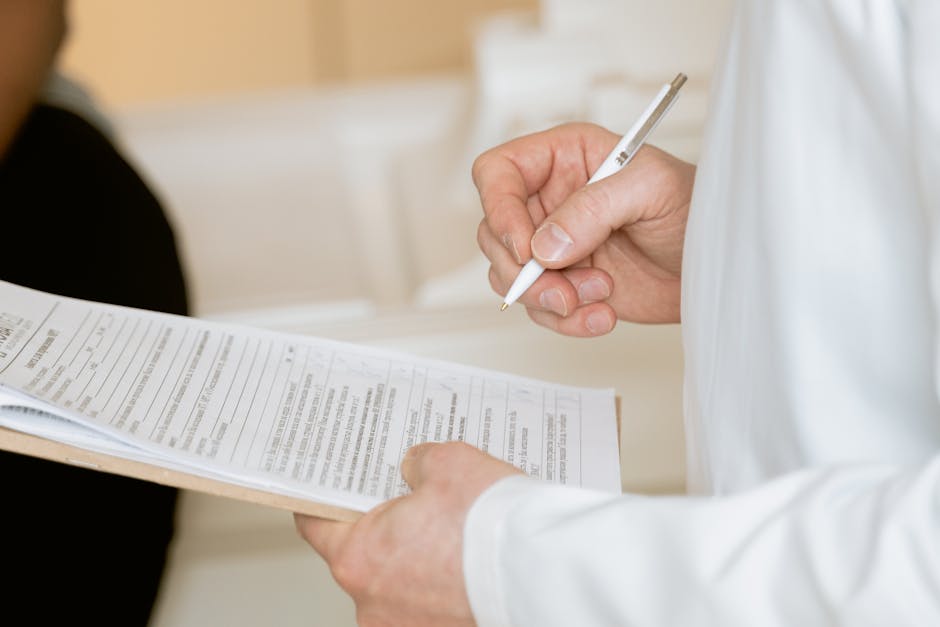
Let me be clear from the outset: there is no government-issued medical cannabis card in the UK. The UK government does not issue, endorse, or recognise a singular state-sanctioned card for cannabis patients. Because this is often the first point of confusion for new patients, it is vital to understand the legitimate legal framework before you move forward with your treatment.
Key Definitions
To navigate this process safely, we must first define the language used in the industry:
- Medical Cannabis (CBPM): Cannabis-Based Products for Medicinal use. These are strictly regulated, pharmacy-dispensed medications.
- Specialist Clinician: A doctor listed on the General Medical Council (GMC) Specialist Register. Only these professionals can legally prescribe medical cannabis in the UK.
- Recognised Provider Cannabis Card: An identification card issued by a private clinic, not the state, to assist patients in proving their legal prescription to law enforcement or the public.
- Prescription-First Pathway: The mandatory legal route whereby a patient must have a validated medical history, a formal consultation, and a private prescription before they have any legal claim to carry cannabis.
The Reality: The "Prescription-First" Pathway
In the UK, legality is defined by the existence of a valid, named prescription from a specialist doctor. There is no shortcut. You cannot simply purchase a card online and then attempt to obtain cannabis. The process is strictly clinical, designed to ensure patient safety and legal compliance.
1. The Medical Records Step
You cannot skip this. Many patients reach out to clinics hoping to bypass the requirement for medical records. Do not attempt this. A specialist requires your full summary care record to verify that you have tried conventional treatments (usually at least two) before considering cannabis as an alternative. If you do not have your medical records, you cannot proceed.
2. Eligibility Screening
Access is never guaranteed. Eligibility is based on your diagnosis, your previous treatment history, and the professional judgment of the specialist. A private clinic's role is to assess whether cannabis is the appropriate, evidence-based next step for your specific condition.

3. The Role of the Licensed Pharmacy
Once your prescription is issued by a specialist, it is sent to a licensed pharmacy. This is the only place where your medication is dispensed. The pharmacy is your legal link; they hold the records of your prescription, which acts as your primary proof of legal use.
What is a "Card Through Clinic"?
Once you are an established patient with a valid prescription, many private clinics offer a card through clinic—often referred to as a "Patient ID card" or proof of legal use card.
It is important to understand what this card is and what it is not:
Feature Clinic-Issued ID Card "Government Card" Myth Issuer The private clinic (e.g., Sapphire, Mamedica, Curaleaf) Does not exist Function Helpful for identifying you as a patient to authorities None Legal Status Advisory/Identification tool Fabrication Requirement Optional, but recommended by clinics Not applicable
The card is simply a tool to help you explain your circumstances if you are stopped by law enforcement. It contains your name, the clinic’s details, and instructions for police to verify your prescription status via the clinic or the pharmacy. It is not a "get out of jail free" card; it is a communication aid.
Common Patient Misunderstandings
During my time in the NHS and private sector, I have seen these misunderstandings lead to significant stress for patients. Here is a quick list herald-dispatch.com of what to avoid:
- "The card allows me to carry anywhere." Incorrect. You are only permitted to carry your prescribed medication in its original packaging with your name on the label.
- "I can get a card from a third-party website." Do not do this. These are often scams and carry zero legal weight in the UK.
- "Access is instant." It is not. The process involves administrative checks, clinician reviews, and pharmacy dispensing times. Avoid any clinic promising "instant access."
- "The card is the same as a prescription." Never. The prescription itself is the legal document. The card is just a supplemental identity piece.
What Happens Next?
If you are ready to explore this pathway, follow this sequence to remain on the right side of the law:
- Gather Records: Contact your GP surgery and request a full summary of your medical history.
- Choose a Recognised Provider: Ensure the clinic is registered with the Care Quality Commission (CQC) in England or its equivalent in Scotland/Wales.
- Complete the Screening: Be honest about your previous treatments.
- Attend the Consultation: Speak with a specialist clinician about your symptoms.
- Wait for MDT Approval: Your specialist will likely present your case to a Multi-Disciplinary Team (MDT) for review.
- Receive your Medication: It arrives directly from the licensed pharmacy.
- Request your ID Card: Once your first shipment arrives, contact your clinic to see if they offer a patient identification card.
Final Thoughts for Patients
The transition to medical cannabis treatment can feel overwhelming, especially when the internet is filled with misinformation about "government cards." Stay grounded in the clinical process: your medical records, your GP's support, and a registered specialist clinician are the only pillars that matter.
If a provider promises you a "guaranteed" card or suggests you don't need to provide medical records, walk away. Those are clear indicators that you are not dealing with a legitimate, recognised provider. Focus on the legal pathway—consultation, prescription, and pharmacy dispensing—and the rest will fall into place as part of your patient registration.
Always remember: the most powerful document you hold is not a card, but the electronic prescription held by the pharmacy. Keep that record accessible, keep your medicine in the original pharmacy packaging, and you will be following the law as it is intended in the United Kingdom.
