What to Know About Personalized Cosmetic Dentistry Plans
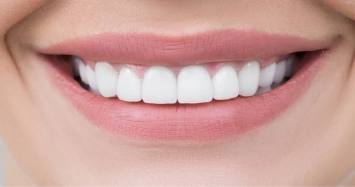
A good cosmetic dentistry plan is not a menu of pretty treatments. It is a carefully sequenced strategy built around a real person, with their bite, habits, priorities, budget, schedule, and tolerance for maintenance all taken seriously. That distinction matters more than many patients realize. Two people can walk into the same office asking for a brighter, straighter smile and leave with completely different recommendations, both of them appropriate.
That is the core idea behind personalized cosmetic dentistry. The goal is not simply to make teeth look better in photographs. The goal is to improve appearance in a way that respects function, biology, longevity, and the person wearing the smile every day. When cosmetic work is planned well, it can look effortless. When it is not, even expensive treatment can feel off, chip early, create sensitivity, or draw attention for the wrong reasons.
People often come in with a single treatment in mind, veneers, whitening, clear aligners, bonding, and they are surprised when the conversation widens. An experienced dentist is usually thinking beyond the surface. Are the gums even? Is the bite stable? Are there old fillings that will undermine the final result? Does the patient grind at night? Is the shade they want realistic for their enamel and facial coloring? If one front tooth is shorter because of wear, why did it wear that way in the first place?
A personalized plan starts by asking better questions.
Why one-size-fits-all cosmetic work often disappoints
Cosmetic results are shaped by far more than tooth color and tooth shape. The lips frame the teeth. The gums frame the crowns. The jaw relationship affects how edges line up. Speech can even influence how natural restorations need to be contoured. Patients usually notice only the visible issue that bothers them most, but dental aesthetics sit on top of anatomy and mechanics.
Take a common example. Someone wants veneers because their front teeth look uneven. If the actual problem is mild crowding plus edge wear from grinding, veneers may help, but they may not be the best first move. Straightening the teeth first with aligners can reduce the amount of tooth reduction needed later. In some cases, careful bonding after alignment is enough, sparing the patient a more invasive treatment. In others, treating the grinding habit and designing a protective night guard becomes part of the cosmetic plan, because otherwise the new work is likely to fracture or wear prematurely.
Another patient may ask for whitening, yet the chief problem is not color. It is opacity, old bonding that no longer matches, or a single dark tooth after trauma. Whitening all the teeth can improve the baseline shade, but it will not solve those other issues by itself. If that person is told only what they requested, rather than what they need to know, the final result may still feel disappointing.
Personalization protects against that. It helps the dentist match the treatment to the reason behind the concern, not just the symptom the patient sees in the mirror.
What a thorough cosmetic consultation should cover
A proper cosmetic consultation is part detective work, part design process. It should feel detailed, not rushed. Good planning depends on observation and communication. A dentist needs to understand both the clinical picture and the patient's expectations, because those two do not always line up neatly.
At minimum, the discussion should cover smile goals, timeline, budget range, and maintenance expectations. It should also include a review of dental history, past orthodontics, grinding or clenching, previous trauma, gum health, and any jaw discomfort. Photos are especially useful. They reveal patterns that a mirror does not. A smile that looks centered in the chair may shift when a person talks or laughs naturally. Tooth display at rest, lip mobility, and gingival symmetry all affect design decisions.
Diagnostic records often matter more than patients expect. That may include digital scans, radiographs when indicated, shade documentation, and close-up photographs from several angles. These are not sales tools when used properly. They are planning tools. They help identify hidden cracks, recession, failing restorations, and bite issues that need to be considered before cosmetic work begins.
Some of the most valuable information comes from very practical questions. Does the patient drink coffee all day and want whitening that can survive heavy staining? Are they about to get married in three months and hoping for a short timeline? Do they sing, teach, or speak publicly, where even slight changes to tooth position can affect phonetics? Do they want the most conservative option, even if it means a more modest cosmetic change?
Without those details, the treatment plan is generic. With them, it starts to become personal.
The features that make a plan truly personalized
Not every customized plan looks dramatic on paper. Sometimes personalization means choosing less treatment, not more. Sometimes it means staging treatment over time so the patient can spread out cost and adapt gradually. The point is fit.
A strong personalized cosmetic dentistry plan usually reflects several factors at once:
- facial proportions, lip line, and smile arc
- tooth color, translucency, and existing restorations
- bite function, wear patterns, and parafunctional habits such as clenching
- gum levels, tissue health, and bone support
- the patient's preferences around cost, invasiveness, and upkeep
Each of those factors can change the recommendation. A patient with thin enamel and high sensitivity may do better with a slower whitening protocol than an aggressive one. A patient with excellent tooth structure and one small chipped incisor may be best served with bonded composite, while another with multiple discolored, heavily restored front teeth may benefit more from porcelain. A patient with an unstable bite may need functional correction before any aesthetic layering begins.
Dentists who do this work often find that the best plans are collaborative. The patient should understand not just the ideal version of treatment, but also reasonable alternatives. Cosmetic decisions are not always binary. There may be a premium option designed for maximum longevity and aesthetics, a conservative option that preserves more natural tooth, and a phased option that gets a patient to a meaningful improvement now with room to refine later.
Whitening, bonding, veneers, and aligners are not interchangeable
Many cosmetic treatments can improve a smile, but they solve different problems. Confusion happens when patients compare them as if they were substitutes.
Whitening changes color, not shape or position. It works best when the issue is generalized staining or darkening of otherwise healthy natural teeth. It does not change the color of crowns, veneers, or fillings. That detail catches people off guard all the time. A patient whitens their teeth, then notices older bonding on the front teeth now looks more yellow than before. If whitening is part of the plan, it often makes sense to do it before replacing visible restorations so those restorations can be matched to the new shade.
Bonding is useful for modest changes in shape, closing small gaps, repairing chips, and adding symmetry. It is conservative and usually less expensive than porcelain, but it can stain, dull, or chip over time. In the right case, it is excellent. In the wrong case, especially for someone who wants dramatic color change and exceptional longevity, it may feel like a compromise.
Veneers offer more control over shape, color, surface texture, and light reflection. They can be transformative, but they require planning and skill. The quality difference between thoughtful veneers and rushed veneers is obvious in person. Good veneers should harmonize with the face and adjacent teeth. They should not look flat, bulky, or opaque unless there is a specific reason for that appearance.
Clear aligners solve position problems. They do not brighten teeth by themselves or alter anatomy, but they can create the conditions for better cosmetic outcomes. A patient who wants less overlap, fewer black triangles, or more even incisal edges may benefit from orthodontic movement first, then whitening or edge refinement after.
Crowns belong in the conversation too, though they are more restorative than purely cosmetic. If a tooth is structurally compromised, a veneer may not be enough. The cosmetic plan has to respect that boundary. Preserving appearance is important, but protecting the tooth matters more.
Sequencing is where a lot of the artistry lives
One of the clearest signs of a personalized plan is the order of treatment. Sequence changes outcomes. It also affects cost, comfort, and how much natural tooth can be preserved.
A common sequence might begin with hygiene and gum stabilization, then orthodontics if needed, then whitening, then replacement of visible restorations or placement of veneers or bonding. Another patient may need old leaking fillings replaced first or a root canal addressed before any cosmetic work proceeds. Someone with uneven gums may benefit from soft tissue contouring before final restorations are designed, because changing gum levels after porcelain is placed can throw off proportions.
Timing matters with whitening in particular. Teeth can rebound slightly after bleaching, so many dentists prefer to wait a short period before final Cosmetic Dentistry shade matching. That avoids chasing a color that is still shifting. Bonding and porcelain work are much easier to blend when the tooth color has stabilized.
There is also the issue of testing. With larger cosmetic cases, a mock-up or trial smile can be extremely helpful. It gives the patient a chance to preview changes in length, shape, and overall style before finalizing anything irreversible. Some people think they want very square, bright teeth until they see them in their own face. Others discover they are comfortable going slightly longer or lighter than expected. A mock-up can reveal those preferences early.
Function is not separate from aesthetics
Patients sometimes assume cosmetic dentistry and functional dentistry live in separate categories. In practice, they overlap constantly. Teeth that look attractive but do not function well are at risk. Teeth that function well but ignore obvious aesthetic concerns may leave patients dissatisfied. The strongest work respects both.
Consider edge length on the front teeth. Slightly lengthening worn incisors can dramatically improve a smile, but those edges also meet the lower teeth. If the bite is not assessed correctly, the new edges can chip. The same goes for closing spaces. Bringing teeth together may look cleaner, but if the contours are overbuilt, the gums can become irritated and the result can feel unnatural.
Speech is another underappreciated factor. Tooth position and edge length affect sounds like "f," "v," "s," and "th." Small alterations can improve phonetics or interfere with them. That is one reason experienced dentists often have patients speak during mock-up evaluations. The smile has to work in motion, not just in still photos.
Bruxism deserves special mention. Night grinding is one of the biggest threats to cosmetic longevity. It does not always rule out aesthetic treatment, but it changes the plan. Materials may need to be selected differently. The bite may need refinement. A protective appliance may not be optional. If a patient is told they need a night guard after treatment, that is not an upsell by default. In many cases, it is what protects the investment.
Material choice matters more than most patients realize
Patients often hear terms like composite, porcelain, ceramic, zirconia, or lithium disilicate without much context. The right choice depends on where the restoration is going, how much force it will receive, and what optical qualities are needed.
Composite bonding can look beautiful when placed well. It is versatile and conservative. It is also more technique-sensitive than people think and typically less durable than porcelain in high-demand aesthetic zones. It can be polished to a nice finish, but over the years it may lose luster or absorb stain, especially in patients who smoke or drink heavily pigmented beverages.
Porcelain and other ceramics generally offer better stain resistance and surface stability. They can mimic enamel more convincingly in many situations because of how they reflect light. But not all ceramics behave the same way. A highly translucent material may look stunning on a healthy front tooth but be a poor choice if the underlying tooth is deeply discolored and needs masking. A stronger, more opaque option may provide better coverage but require careful design to avoid looking chalky.
This is where personalization becomes technical. The dentist and laboratory, if a lab is involved, should be thinking about stump shade, reduction depth, translucency, edge effects, and how the chosen material will behave under different lighting. Patients do not need to master those terms, but they should know that material selection is not cosmetic trivia. It directly shapes the final result.
Budget and longevity should be discussed plainly
A plan is not truly personalized if it ignores finances. Cosmetic dentistry can be a meaningful investment, and patients deserve clear, realistic conversations about what different options cost and how long they are likely to last with proper care.
There is no universal lifespan guarantee because habits, bite forces, hygiene, and biology vary. Still, a dentist should be able to explain relative durability with honesty. Whitening usually needs periodic refreshment. Bonding may need polishing, repair, or replacement sooner than porcelain. Veneers can last many years, but they are not forever. Gum recession, trauma, decay at margins, and bite changes can all affect longevity.
The cheapest option upfront is not always the least expensive over time. At the same time, the most expensive option is not automatically the wisest if it requires more tooth reduction than the case truly demands. These are judgment calls, and patients should feel comfortable asking for trade-offs in plain language.
A useful conversation often sounds something like this: if we do the conservative option, here is what improves, here is what does not, and here is what maintenance may look like over the next five years. If we do the more comprehensive option, here is the additional benefit, here is the added cost, and here is what you are committing to in terms of future care.
That level of transparency tends to produce better decisions and fewer regrets.
Red flags to watch for before you commit
Some cosmetic consultations feel polished but thin. A patient leaves with a price and a promise, but very little understanding of why a particular path was recommended. That is risky, especially for visible front-tooth work.
A few warning signs are worth taking seriously:
- a treatment recommendation is made without discussing bite, gum health, or existing restorations
- the only goal presented is "white and straight," with no conversation about proportion or facial fit
- no photos, scans, or mock-ups are offered for a larger case
- the maintenance plan is vague, especially if you grind or have a history of chipping
- questions about alternatives are brushed aside rather than answered directly
Not every office will use the same workflow, and not every case needs every diagnostic step. But cosmetic planning should feel thoughtful. If it feels rushed or oversimplified, getting a second opinion is reasonable.
What happens after treatment is part of the plan too
The work is not over when the cosmetic treatment is delivered. In many ways, that is when the maintenance phase begins. This does not mean patients need to become obsessive, but they do need realistic expectations.
Whitened teeth drift over time, especially with coffee, tea, red wine, tobacco, and normal aging. Bonding may need touch-ups. Porcelain can chip if abused. Gum tissue can recede and expose margins that were once hidden. Retainers after aligner treatment are essential if the goal is to preserve alignment. Night guards matter if there is clenching. Regular hygiene visits are not optional if the patient wants margins and tissues to stay healthy and attractive.
A carefully finished veneer case can look extraordinary on delivery day, yet if the patient skips maintenance and grinds unprotected for years, even excellent work can fail. The best cosmetic dentists tend to say this early and clearly. They want patients to understand that longevity is shared responsibility.
There is also a psychological side to aftercare. Patients sometimes need a short adjustment period after significant smile changes. Teeth that are objectively well designed can feel "too different" for a week or two simply because the face in the mirror has changed. That reaction is normal. It usually settles as the person sees the smile in motion, in conversation, and in familiar settings. Good clinicians prepare patients for that adaptation curve rather than treating it as unusual.
The best plan usually feels specific, not flashy
When cosmetic dentistry is planned well, the Cosmetic Dentistry process feels grounded. The dentist notices details. The options sound tailored. Trade-offs are explained. The timeline makes sense. Maintenance is addressed before treatment, not after a problem appears. Most of all, the recommendations fit the patient's actual goals instead of pushing the same package onto everyone.
Some patients want subtle refinement so their smile still looks entirely like them, only fresher and more balanced. Others want a brighter, more dramatic transformation and are comfortable with the upkeep that can come with it. Neither goal is wrong. The right plan is the one that reaches that goal responsibly.
Personalized cosmetic dentistry is ultimately about restraint as much as ambition. It is knowing when whitening is enough, when bonding is smarter than porcelain, when orthodontics should come first, and when a patient is better served by addressing health issues before aesthetics. That kind of judgment rarely shows up in glossy before-and-after photos, but it is what separates cosmetic work that merely photographs well from cosmetic work that ages well.
If you are considering treatment, listen for nuance. Look for a dentist who asks good questions, explains sequence, and treats your smile as part of a larger system rather than an isolated surface. A well-made cosmetic plan should leave you feeling informed, not sold to. That is usually the first sign you are in capable hands.
Toothworks of Bakersfield, Dentist and Orthodontist
1030 H St #1, Bakersfield, CA 93304, United States
+1 661-323-9421
FAQ About Cosmetic Dentistry
Is bonding better than veneers?
Neither option is best for everyone. Composite bonding can address small chips, gaps, or shape concerns and is generally easier to repair. Porcelain veneers may offer greater resistance to staining and wear, but often require removal of some enamel. A dentist should assess your oral health, bite, goals, and budget before recommending treatment.
How long will dental bonding last?
Bonding commonly lasts about three to ten years before it needs repair or replacement, though this varies with the location and amount of bonding, your bite, and daily habits. Regular dental visits, good oral hygiene, and avoiding chewing hard objects can help protect it. Ask your dentist what lifespan is realistic for your particular treatment.
What are the risks of teeth whitening?
Whitening can cause temporary tooth sensitivity and gum irritation. Overuse or incorrect use may damage teeth or gums, and whitening does not change the color of existing crowns, veneers, or fillings. Have a dentist assess your teeth and gums, and follow the recommended product directions and treatment schedule.
