What You Need to Know About a Desert Pullout in Dubai
Driving in the UAE means covering long stretches of open road, often through areas where the landscape shifts from city streets to open desert in a matter of minutes. Whether you are commuting from Abu Dhabi to Dubai or heading out toward Al Ain for a weekend trip, the chance of a vehicle breakdown always exists. One situation that catches many drivers off guard is what happens when you need a desert pullout. This is not a term you hear every day, but for anyone who has ever had a car stop working on a sandy shoulder or a remote stretch of highway, the meaning becomes clear fast.
A desert pullout is the act of safely removing a disabled vehicle from a soft or unpaved area, often where the ground gives way under the weight of the car. It sounds simple, but in practice it requires the right equipment, a good understanding of the terrain, and a calm approach. In places like the roads near Ras Al Khaimah or the outskirts of Sharjah, the desert can creep right up to the asphalt. If your car breaks down and rolls onto the sand, a standard tow truck might not be enough. That is where specialized recovery comes in.
Why a Standard Tow Won't Always Work
Most people picture a tow truck hooking up to a car and pulling it onto the bed. That works fine on pavement. But once a vehicle sinks into sand, the forces change. The tires dig in, the weight shifts, and pulling straight forward can bury the car deeper. A flatbed tow truck with a winch can handle some of these jobs, but the operator needs to know how to read the ground. They have to decide whether to pull from the front, the back, or at an angle. A good recovery driver will also check for hidden obstacles like rocks or sharp edges that could damage the car further.
I have seen cases where a driver tried to help a friend by attaching a rope and yanking the car out with another vehicle. That often ends with a broken tow strap, a damaged bumper, or both. The controlled approach of a professional heavy duty recovery team makes a real difference. They use rigging that spreads the load, and they know how to winch without jerking. That kind of care matters when the car is already stressed from a breakdown.
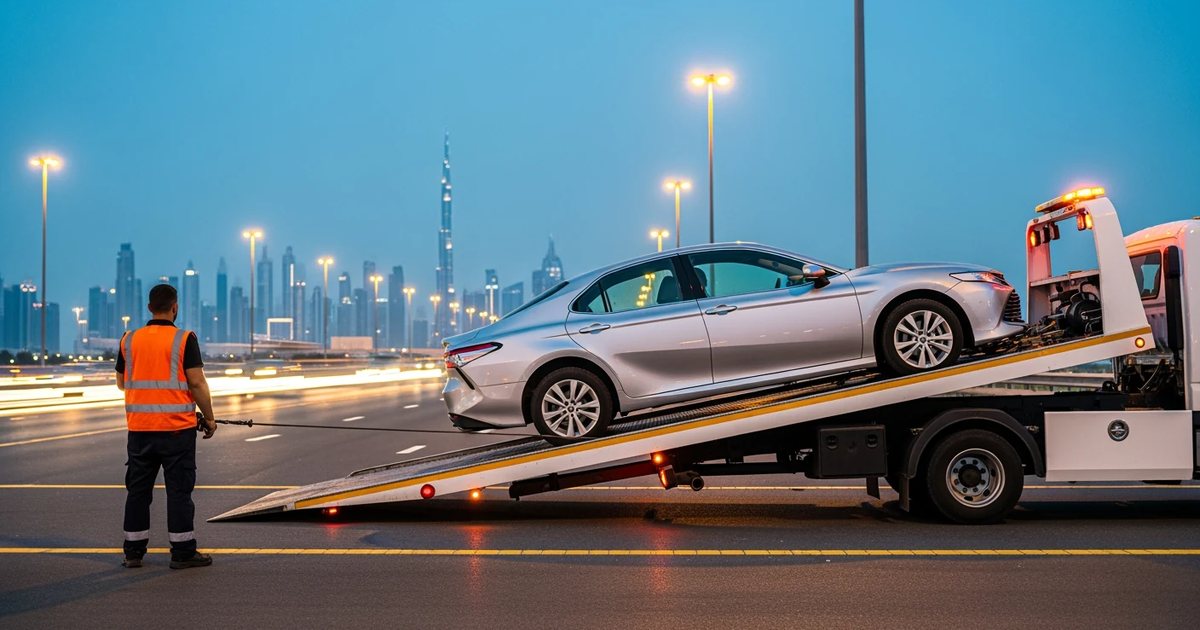
The Role of Emergency Roadside Assistance
When you call for emergency roadside assistance after a breakdown in a remote area, the dispatcher needs to know where you are and what kind of ground you are on. If you are on Sheikh Zayed Road, the response is usually quick because the road is well marked and the tow trucks can reach you easily. But if you are on a desert track near Al Ain or a back road in Ras Al Khaimah, the situation changes. The driver might need a four-wheel-drive truck just to get to your location. That adds time, but it also means the recovery has a much better chance of going smoothly.
A good towing service will ask questions about the surroundings. Is the car on sand? Is it stuck up to the axles? Is there a slope nearby? These details help them decide which truck to send. For a desert pullout, they often bring a vehicle with a long winch cable and sand anchors. The goal is to stabilize the tow vehicle first, then pull the stuck car out without either vehicle sinking.
Common Causes of Breakdowns in Remote Areas
Breakdowns that require a desert pullout often come from a few predictable problems. Overheating is common in summer when the outside temperature pushes past 45 degrees Celsius. The engine strains, the coolant boils, and suddenly you are stopped on the side of the road. Battery failure is another frequent issue. A battery jump start can fix it if the battery is not completely dead, but if the battery has given out entirely, you will need a replacement or a tow to a shop.
Fuel delivery is another service that comes up more often than people expect. Running out of fuel in the desert is easy to do when the next gas station is 50 kilometers away and your gauge was already low. A professional service can bring enough fuel to get you to the nearest station, saving you a long walk in the heat. Tire changes and lockout assistance are also part of the picture. A sharp rock or a piece of debris can flatten a tire in seconds, and if you do not have a spare that fits, you are stuck. Lockout assistance helps when the keys are inside the car and the doors are sealed. These are small problems that can turn into big ones if you are far from help.
Safety First: UAE Traffic Laws and Road Safety
The UAE Traffic Laws are clear about what to do when your vehicle stops on a road. You must move it to the shoulder if possible, turn on your hazard lights, and place a warning triangle behind the car. If you are on a highway like Sheikh Zayed Road, stay inside the vehicle with your seatbelt on until help arrives. Getting out and walking along the road is dangerous, especially at night or in low visibility conditions.

Dubai Police also advise against attempting your own recovery in sand or soft ground. They have seen too many cases where a simple breakdown turns into a stuck car or an accident because someone tried to drive out of the sand and lost control. Calling a professional for a desert pullout is the safer choice. It might take a little longer, but it keeps everyone out of harm's way.
On-Site Repair vs. Towing
Sometimes a breakdown can be fixed on the spot. On-site repair services can handle issues like a dead battery, a flat tire, or a minor mechanical fault. If the problem is something like a snapped belt or a coolant leak, the technician might be able to patch it enough to get you to a garage. But if the car is stuck in sand or has a major engine issue, towing is the only option. A flatbed tow truck can lift the car and carry it to a repair shop in Dubai, Abu Dhabi, or wherever you need to go.
I have seen drivers hesitate because they do not want to pay for a tow. They try to fix it themselves or wait for a friend. That usually costs more in the end. A quick call for a desert pullout and a tow to a trusted mechanic saves time and stress. The key is knowing who to call and having that number saved before you need it.
Choosing a Reliable Service
Look for a recovery company that offers 24/7 service and covers all seven emirates. You never know where a breakdown will happen. A provider that can handle everything from a battery jump start to heavy duty recovery gives you peace of mind. They should have flatbed tow trucks, winch-equipped vehicles, and drivers trained in sand recovery. Ask about their response time and whether they charge extra for remote locations. Some companies have fixed rates for common services, which helps avoid surprises.
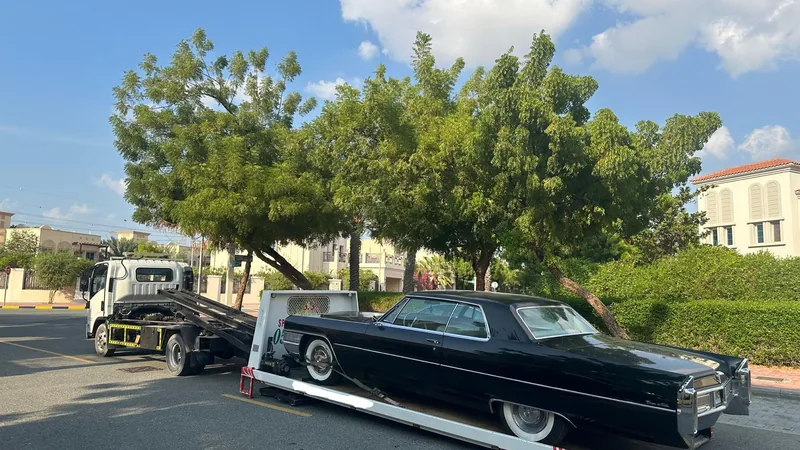
Customer reviews matter. If a company has a history of showing up fast and solving the problem without damaging the car, that is a good sign. Avoid services that quote one price on the phone and a higher one when they arrive. A reputable company gives you a clear estimate upfront.
Driving in the UAE is a pleasure when everything goes right. When it does not, having a plan for a desert pullout makes all the difference. Knowing what to do and who to call turns a bad moment into a manageable one. Keep a recovery service number in your phone, keep your car maintained, and drive with the awareness that the desert is always nearby. That is the best way to stay safe on the road.
