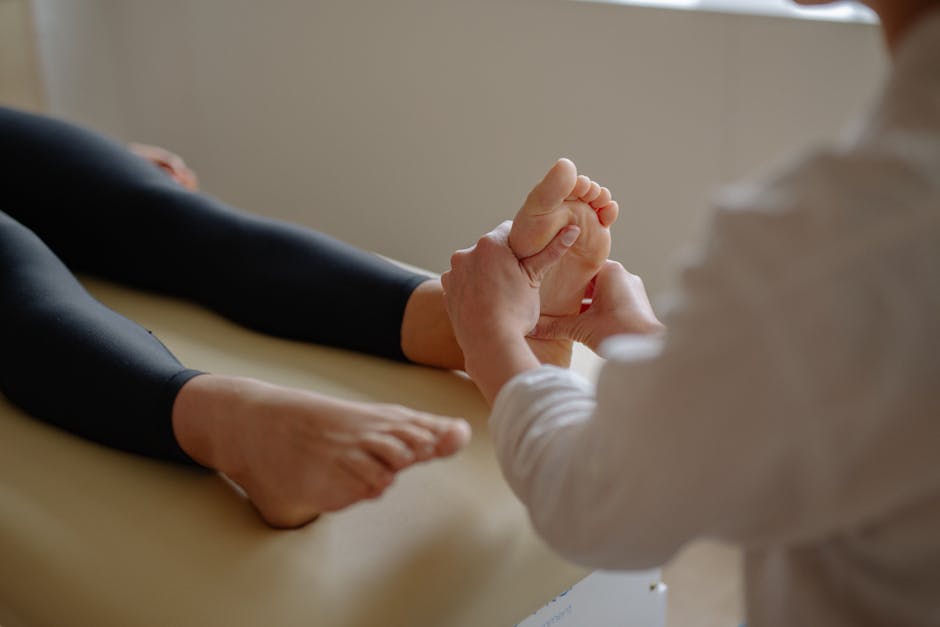
What Can I Do Right Now for Sore Arches After Heels?
After a long day strutting in heels, especially those sleek stilettos or sharp pointed-toe pumps, it’s almost inevitable: your arches start barking in protest. That nagging soreness isn’t just “normal” discomfort; it’s your foot’s way of waving a red flag. Understanding the “why” behind sore arches can transform your recovery from a rushed rubbing to meaningful healing. Let’s walk through what’s happening, and — most importantly — what you can do right now to rescue those tired arches with simple tools like a tennis ball, a chilled water bottle, and even a little help from Joy Organics 1000mg CBD Cream.
Why Do My Arches Hurt After Wearing Heels?
High heels drastically alter the natural mechanics of your foot and leg. Here’s what goes on under the surface:
- Forefoot Load & Metatarsal Pain: When your heel is elevated, more weight shifts forward to the ball of your foot (the metatarsal heads). This increased pressure can cause forefoot pain and aches across the arch region.
- Toe Box Compression & Nerve Irritation: Tight or narrow toe boxes squeeze your toes into unnatural positions, compressing nerves and contributing to arch discomfort and even tingling or numbness.
- Calf Shortening & Reduced Ankle Range of Motion: Wearing heels encourages your calf muscles to stay in a shortened position all day. Over time, this reduces ankle dorsiflexion (the ability to flex your foot upward), which places extra strain on the plantar fascia and arch muscles.
- Posture Changes & Lower Back Stiffness: To compensate for heels, your posture shifts forward, leading to tight lower back muscles and altered gait mechanics which can also feed into arch pain as your foot adapts to maintain balance.
Now that we’ve nailed the “why,” let’s dig into effective, immediate relief strategies.
Arch Massage: Rolling Out Pain with a Tennis Ball
Think about the instant wobble you get stepping out of your car — that tentative shuffle while your foot “finds” stability on a new surface. That’s often your arch’s way of recalibrating. One of the best at-home remedies to soothe sore arches is an arch massage using a tennis ball roll.
Why Tennis Ball Roll Helps
The tennis ball gives just the right combination of firmness and give to massage the plantar fascia, the thick band running along the sole of your foot. Rolling applies gentle pressure along the arch, breaking down tight spots (trigger points), increasing circulation, and promoting relaxation of the underlying muscles and connective tissue.
How to do a Tennis Ball Roll
- Find a comfortable seated spot, like near your couch or chair.
- Place a tennis ball on the floor and set one foot on top, positioning it under your arch.
- Slowly roll the ball back and forth from heel to the ball of the foot, pausing on any particularly tender spots for 20–30 seconds.
- Apply as much pressure as feels tolerable—remember, it should help, not hurt.
- Roll for 2–3 minutes per foot.
Keep a tennis ball in your drawer or purse—you never know when a quick arch massage might come in handy after a wedding, corporate event, or cocktail party.
Chilled Bottle Roll: Cooling and Lengthening
After rolling to release tightness, the next step is calming inflammation and enhancing tissue flexibility. A chilled water bottle roll combines the benefits of massage with cooling therapy, which reduces soreness and soothes irritated nerves.
Why a Chilled Bottle Helps
- Cooling Effect: Cooling constricts blood vessels, which reduces swelling and dulls pain signals.
- Weight and Shape: The hard, cylindrical bottle mimics the tennis ball but covers a larger surface area and provides a firmer press for deeper tissue relaxation.
- Encourages Calf & Arch Stretch: Rolling your foot and calf over a chilled bottle targets both tight plantar fascia and shortened calf muscles, essential for restoring ankle mobility.
How to Use a Chilled Bottle Roll
- Fill a sturdy plastic or glass bottle (like a standard water or soda bottle) with water, then freeze it or chill it in the fridge.
- Sit comfortably and place your bare foot on the bottle beneath the arch.
- Roll your foot slowly forward and backward, from the heel to the ball of the foot, keeping steady pressure on the arch.
- Roll for 3–5 minutes, taking breaks if your foot becomes numb or feels too cold.
- For an added stretch, after rolling, flex your toes upward and gently pull them back to feel a stretch across the arch and calf.
Supportive Post-Care: Using Joy Organics 1000mg CBD Cream
Massage and rolling release tension and improve circulation, but post-roll care ensures your foot muscles and tissues recover fully. Here’s where Joy Organics 1000mg CBD Cream steps in.
Why CBD Cream Helps Sore Arches
Joy Organics combines high-quality CBD, known for its anti-inflammatory and analgesic properties, with a soothing topical formula. Applying this cream to your arches can:
- Reduce localized inflammation from forefoot overload and nerve irritation.
- Alleviate muscle stiffness and soreness after physical activity or prolonged heel wear.
- Provide a calming, warming sensation that encourages relaxation and comfort.
How to Apply Joy Organics 1000mg CBD Cream
- After rolling with the tennis ball or chilled bottle, dry your feet thoroughly.
- Take a dime-sized amount of cream and massage it gently into your arch and surrounding foot muscles.
- Use circular motions, especially focusing on tender areas and the base of the toes.
- Allow the cream to absorb fully before putting on socks or footwear.
- For best results, use daily after heel-wearing events or at bedtime to aid overnight recovery.
Additional Tips to Prevent Arch Pain from Heels
While immediate relief is crucial, prevention deserves attention too. Consider these pointers to minimize forefoot overload and arch discomfort in gel inserts for heels your next heel outing:
- Choose a Wide Toe Box: Prevent nerve compression and toe crowding by selecting heels with rounded or square toe shapes instead of pointed ones.
- Limit Heel Height: Higher heels increase forefoot load exponentially; stick to a moderate heel height (2–3 inches) for better foot health.
- Break Up Wear Time: Give your feet mini breaks throughout the day—switch to flats or sit down to relieve pressure.
- Perform Calf Stretches: Acknowledge the soleus muscle with deep, bent-knee calf stretches to restore ankle range of motion and reduce arch strain.
- Use Arch Supports: Invest in cushioned inserts designed for high heels to redistribute pressure away from the metatarsal heads.
Summary Table: At-Home Arch Relief Toolkit
Tool Purpose How to Use Why It Works Tennis Ball Arch Massage Roll under arch 2-3 min, pause on tender spots Releases tension in plantar fascia, increases circulation Chilled Water Bottle Cool Massage & Calf Stretch Roll under arch 3-5 min, flex toes for stretch Reduces inflammation, lengthens calf and arch muscles Joy Organics 1000mg CBD Cream Topical Relief & Inflammation Reduction Massage cream into arch post-roll Anti-inflammatory, pain-relieving properties soothe soreness
Final Thoughts
Sore arches after wearing heels aren’t just an annoyance—they’re a sign that your feet need some TLC. By understanding the root causes like forefoot load, toe box compression, calf shortening, and posture shifts, you can choose targeted, science-backed strategies to soothe and restore your feet.
Grab your trusty tennis ball or chilled water bottle, roll out the tension, and follow up with a therapeutic application of Joy Organics 1000mg CBD Cream. Small, intentional steps can lead to big comfort wins, helping you confidently heel-wear while keeping the aches at bay.
Remember, your feet carry you every step of the way — treat them like the MVPs they are.