The Art of the Japanese Head Spa: A Deep Dive into Scalp Wellness
I still remember the first time I booked a Japanese head spa treatment. I walked into a salon in Encinitas, a space that smelled of lavender and something faintly herbal, and I expected a fancy shampoo. What I got instead was an hour-long ritual that left me feeling like I had been reset from the inside out. That experience changed how I think about salon services. A Japanese head spa is not just about clean hair. It is about scalp health, stress relief, and a kind of deep relaxation that you do not get from a standard wash and style.
What Sets a Japanese Head Spa Apart
At its core, a Japanese head spa is a therapeutic treatment for your scalp and hair, rooted in techniques that have been refined in Japan for decades. Unlike a basic shampoo and conditioner service, this treatment involves multiple steps designed to improve circulation, detoxify the scalp, and nourish hair follicles. The experience typically begins with a consultation, where your stylist or therapist examines your scalp condition. From there, the treatment unfolds in layers: cleansing, exfoliation, steam therapy, massage, and the application of targeted products like a hair tonic or essential oils.
The centerpiece of the whole process is the scalp massage. This is not a quick rub. It is a deliberate, rhythmic manipulation of the scalp using fingertips, knuckles, and sometimes tools. The pressure varies, but the goal is consistent: to stimulate blood flow, release tension in the muscles of the scalp and neck, and promote lymphatic drainage. Many practitioners incorporate elements of shiatsu into this massage, applying pressure to specific points along the head and shoulders. The result is a feeling of lightness that lasts for hours.
The Setup: Head Spa Chair and Shampoo Bowl
One of the first things you notice in a salon that offers this service is the equipment. A proper Japanese head spa treatment uses a specialized head spa chair and shampoo bowl. Unlike the standard salon chairs you see everywhere, these chairs are designed for maximum comfort during extended sessions. They recline fully, support the neck and spine, and allow the therapist to access your scalp from all angles without you having to lean forward awkwardly. The shampoo bowl itself is often heated or adjustable, and the water pressure and temperature are controlled precisely. This setup is not just about luxury. It is functional. When you are spending forty minutes to an hour receiving a cranial massage and multiple rinse cycles, comfort matters. A good head spa chair can make the difference between a treatment that feels restorative and one that leaves you with a sore neck.

Step by Step: What Happens During a Treatment
A typical session at a salon spa that offers this service follows a sequence, though specific salons may vary the order. You start with a dry scalp analysis. Then comes the first wash, often using a clarifying shampoo or a formula with tea tree oil to break down buildup. After that, the therapist applies a scalp exfoliation treatment. This might be a granular scrub or a chemical peel designed to remove dead skin cells and excess oil from the scalp. It sounds clinical, but the sensation is pleasant, like a deep cleaning for your head.
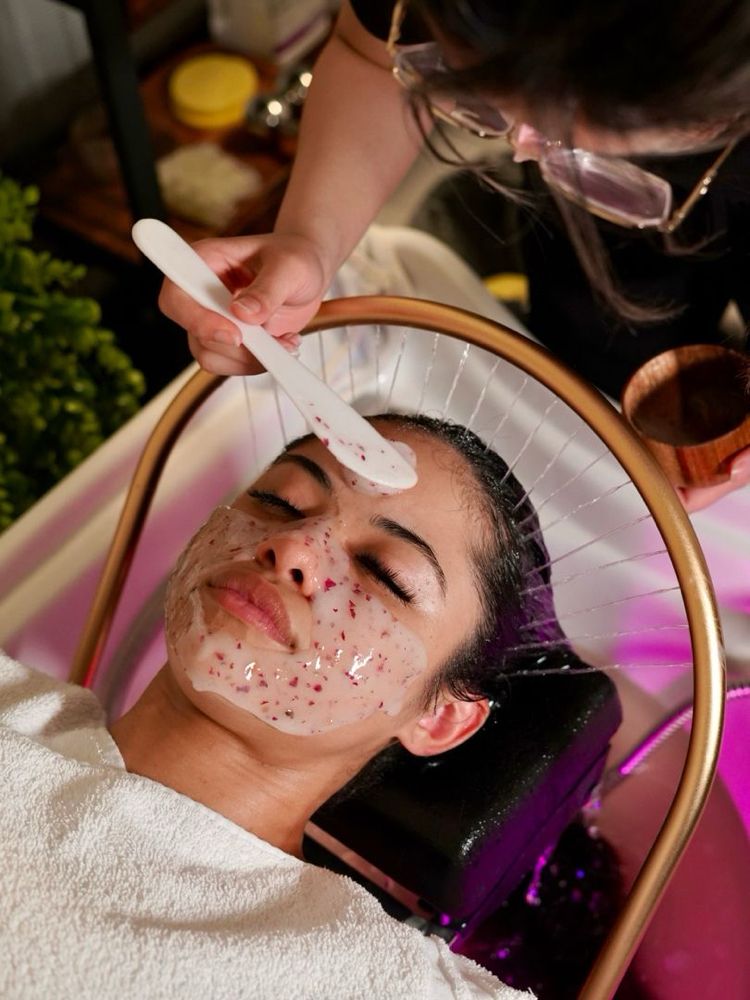
Next comes steam therapy. A steamer is directed at your scalp for several minutes, opening the pores and softening any remaining debris. The warmth is soothing, especially on a cool day. After the steam, the therapist performs a thorough rinse and then applies a mask or conditioner. This is often followed by another round of massage, this time using a blend of essential oils chosen for your scalp type. The therapist may also apply a hot stone treatment to your shoulders or neck, which adds another layer of relaxation. The stones are smooth and heated to a comfortable temperature, and they help loosen tight muscles that you did not even realize were clenched.
The treatment concludes with a cool rinse to close the cuticles, a final application of a hair tonic or leave-in treatment, and a gentle towel dry. Some salons also offer a short aromatherapy session at the end, where you breathe in calming scents while resting in the chair. The whole process can take anywhere from forty-five to ninety minutes.
Why Scalp Health Matters More Than You Think
Most people think about hair care in terms of what goes on the strands. Conditioner, styling products, heat protectant. But healthy hair starts at the root, literally. The scalp is skin, and it needs the same kind of attention you give your face. Dead skin cells, excess sebum, and product buildup can clog follicles, leading to thinning or slow growth. A Japanese head spa addresses this directly. The combination of steam therapy, scalp exfoliation, and massage helps clear the follicles and encourages better circulation. Over time, regular treatments can improve hair density and texture.
There is also a wellness angle that is easy to overlook. The scalp is densely packed with nerve endings, and the muscles of the scalp and neck hold a lot of tension, especially if you spend your day hunched over a desk. A thorough cranial massage can release that tension in a way that feels almost as good as a full-body massage. Many clients report sleeping better after a session, or feeling less tightness in their jaw and shoulders. That is not just placebo. The massage stimulates the parasympathetic nervous system, which promotes relaxation. In a world where constant stimulation is the norm, that kind of deliberate downtime is valuable.
Customization and Personalization
No two scalps are the same, and a good Japanese head spa treatment reflects that. The therapist will adapt the products and techniques based on your scalp type. For oily scalps, they might use tea tree oil or a clarifying clay. For dry or sensitive scalps, they might choose a gentle cleanser and a hydrating mask. Some salons also offer a keratin treatment as part of the service, which can help smooth frizz and add shine. The key is that the treatment is not a one-size-fits-all script. It is a custom hair care experience that takes your specific concerns into account.
If you have never tried a Japanese head spa before, I recommend starting with a basic session at a reputable salon. Look for a place that uses a proper head spa chair and has a therapist who asks questions about your scalp condition before they begin. A good therapist will explain each step as they go. They will also adjust the pressure of the massage based on your feedback. The best treatments feel collaborative, not passive.
What to Expect Afterward
Immediately after a session, your hair will feel clean and light. It will have volume and a softness that lasts for days. But the real benefits accumulate over time. Regular scalp treatments can reduce flakiness, balance oil production, and strengthen hair from the root. If you color your hair or use heat styling tools often, a monthly Japanese head spa can help counteract the damage. It is a maintenance practice, not a one-time fix.
I have also found that the relaxation effect lingers. The combination of aromatherapy, hot stone treatment, and deep massage creates a mental reset that is hard to replicate with other services. It is not uncommon to leave a session feeling like you just had a short vacation. That is part of the appeal for many people. The treatment is as much about stress relief as it is about hair health.
Finding the Right Salon
Not every salon that offers a Japanese head spa is the same. The quality of the treatment depends heavily on the training of the staff and the quality of the equipment. In Encinitas, Mermaid Nails and Spa has built a reputation for offering this service in a relaxing environment. Their approach emphasizes both the technical and the restorative aspects of the treatment. It is the kind of place where you can walk in feeling frazzled and walk out feeling like you have had a reset.
When you book, ask about the specific steps they include. A thorough treatment should involve scalp exfoliation, steam therapy, and a substantial scalp massage. If the salon skips any of these, you are probably getting a glorified shampoo, not a true Japanese head spa. Also, check whether they use a head spa chair. As I mentioned, the chair makes a real difference in terms of comfort and the therapist ability to work effectively.
Final Thoughts
I have had my share of salon treatments over the years, and the Japanese head spa stands out because it addresses something that most other services ignore: the connection between scalp health and overall well-being. It is not a quick fix. It is a practice, one that rewards consistency. If you can make it a monthly habit, you will notice changes in your hair texture, your stress levels, and even your sleep quality. It is one of those rare services that feels indulgent and practical at the same time.
If you have not tried it yet, find a salon that specializes in it and give it a go. Your scalp will thank you. And your mind might too.
