Signs an older relative may need a faster way to get help
Signs that an older relative may need a faster way to get help refer to observable changes in daily living, health, or safety that suggest a delay in summoning assistance could lead to harm. These signs often emerge gradually and are noticed by family caregivers, neighbours, or the older person themselves. The need for a faster way to get help typically arises when an older adult lives alone, has limited mobility, or manages a chronic condition. Recognising these signs is a first step toward discussing options such as medical alarms for parents, which can provide a direct link to emergency contacts or a response centre.
The subject is best understood through the circumstances that make quick communication difficult. An older person might be unable to reach a phone after a fall, may forget to carry a mobile device, or may feel reluctant to call for help for minor issues that later become serious. The kinds of signs fall into three broad categories: physical changes, behavioural changes, and environmental risks. Each category points to a different aspect of the need for a faster response.
Physical signs of increased vulnerability
Physical changes are often the most visible indicators. A decline in balance or gait, such as shuffling steps, using furniture for support, or holding onto walls while walking, raises the risk of falls. Frequent falls or near-falls, even if no serious injury results, suggest that the person may not be able to get up or call for help quickly after a fall. Reduced strength or endurance makes it harder to stand up from a chair, climb stairs, or carry out basic tasks like opening doors or reaching for a phone. Chronic conditions such as heart disease, diabetes, or arthritis can cause sudden episodes of weakness, dizziness, or chest pain that require immediate attention. If the older relative cannot describe these symptoms clearly or has difficulty pressing a phone button, the delay in getting help can be dangerous.
Hearing or vision loss also affects the ability to respond to emergencies. A person who cannot hear a phone ring, a smoke alarm, or a doorbell may miss early warnings. Poor vision can lead to misdialing or difficulty reading a phone screen. In such cases, devices that use large buttons, voice commands, or automatic fall detection become relevant. The phrase emergency alarms for elderly is used in this context to describe systems that do not rely on the user being able to dial or speak clearly.
Behavioural and cognitive signs
Changes in memory, judgement, or daily routines can indicate that an older person is no longer able to manage a crisis alone. Forgetting to take medications, missing appointments, or leaving the stove on are common examples. A person who used to keep a phone nearby may start leaving it in another room or forgetting to charge it. Confusion about time or place can make it difficult to describe an emergency or remember whom to call. Family caregivers may notice that the older relative becomes withdrawn, avoids social contact, or seems anxious about being left alone. These behavioural shifts often accompany a growing awareness that help is not readily available.
Another sign is a change in how the person responds to minor incidents. A small cut that goes untreated, a burn from cooking, or a spill that is left on the floor may indicate that the person either did not notice the problem or could not manage it alone. If the older relative has had a previous fall or medical event and did not call for help until hours later, that pattern suggests a need for a faster way to get help. Some older adults delay calling because they do not want to bother others or because they underestimate the seriousness of the situation. A system that allows them to alert a family member or a response centre with a single press can address this reluctance.

Environmental and social factors
The home environment itself can create barriers to getting help quickly. A multi-level house with stairs, a bathroom without grab bars, or rooms that are cluttered with furniture and rugs increase the likelihood of falls and make it harder to move to a phone. If the older person lives alone, there may be no one nearby to hear a call for help. Even when family members live close, they may not be available during work hours or at night. Social isolation compounds the problem: an older adult who has few visitors or does not use a phone regularly may go for long periods without anyone checking on them.
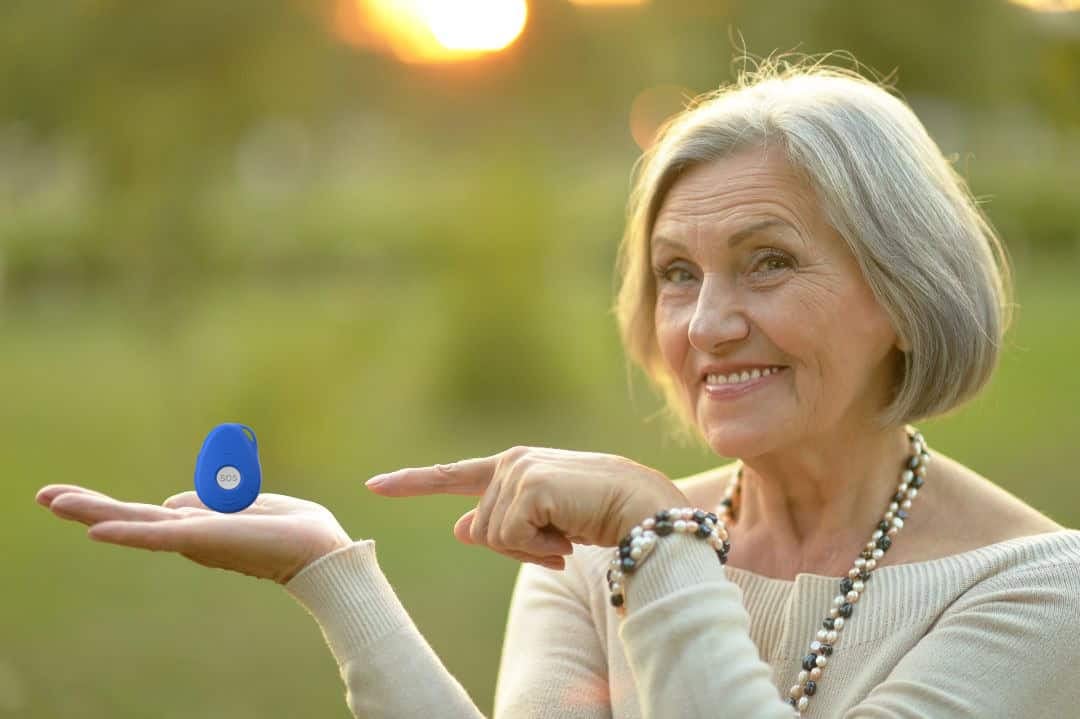
Technology access is another factor. Some older adults are not comfortable with smartphones or may not carry a mobile device at all. A landline phone that is not within reach of the bed or favourite chair becomes useless in an emergency. Medical alarms for parents, as offered by services like Familyr, are designed to be worn as a pendant or wristband and work anywhere within the home, often with a range that extends into the garden or driveway. These devices do not require the user to operate a phone or remember a number.
Types of faster help systems
Several kinds of systems exist to address the need for a faster way to get help. The most basic is a personal emergency response system (PERS) that consists of a base unit connected to a phone line and a wearable button. Pressing the button calls a response centre or a list of emergency contacts. More advanced systems include fall detection, which automatically sends an alert if a fall is detected, and two-way voice communication so the user can speak to a responder without needing to hold a phone. Some systems also offer location sharing, which is useful if the older person is active outside the home.
Mobile medical alarms work without a landline and use cellular networks to connect the user to help. These are suitable for older adults who spend time away from home, such as walking the dog or visiting friends. A mobile alarm can include GPS tracking so that family members or a response centre know the person's location. Another type is a check-in service, where the user presses a button at scheduled times to confirm they are okay. If the check-in is missed, the system notifies a family member or the response centre.
All these systems rely on a care plan that specifies who is contacted and what action to take. The plan usually includes emergency contacts, medical information, and consent from the older person to share that information with the response centre. Privacy is an important consideration: the user should understand how their data is stored and who has access to it. Most providers allow the user to choose whether the system sends notifications to family members, a response centre, or both.
When the need becomes urgent
The signs described above do not always mean that an older relative needs a medical alarm immediately, but they do indicate that the current arrangement for getting help may be too slow. A single fall, a hospital discharge, or a new diagnosis can accelerate the need. Family caregivers often notice the signs first and may need to initiate a conversation about the options. The goal is not to remove the older person's independence but to provide a safety net that allows them to continue living in their own home with less risk.
In practice, emergency alarms for elderly are used by a wide range of older adults, from those who are still active but live alone to those with multiple chronic conditions. The decision to adopt such a system is personal and depends on the older person's willingness to wear the device, the reliability of the technology, and the cost. Many providers offer a trial period or rental option so that the user can test the system before committing.
Limitations and considerations
No system is perfect. A wearable alarm is only useful if it is worn, and some older adults find pendants or wristbands uncomfortable or forget to put them on. Battery life, range, and cellular coverage can affect performance. The user must also be able to press the button or speak clearly enough for the two-way voice to work. For those with advanced dementia or severe hearing loss, a system that relies on voice may not be suitable. In such cases, automatic fall detection or a system that alerts a family member directly may be a better fit.
Cost is another factor. Monthly fees, activation charges, and equipment costs vary widely. Some health insurance plans or government programmes offer subsidies for medical alarms, but this depends on the country and the specific policy. In New Zealand, for example, some district health boards provide funding for personal alarms for eligible older adults. Family caregivers should check with local agencies or the provider directly about financial assistance.
Ultimately, the signs that an older relative may need a faster way to get help are often subtle and cumulative. They are best assessed through regular observation and open communication. The decision to introduce a medical alarm is a shared one that involves the older person, their family, and sometimes a healthcare professional. When the signs are present, a system that offers a direct, reliable link to help can make a meaningful difference in safety and peace of mind.
