Nicotine pouch lip placement and fit
Nicotine pouch lip placement is the position of a small nicotine pouch against the inside of the mouth, usually near the upper lip or gum line, where its contents contact oral tissue. The subject belongs to the wider category of slim nicotine pouches and related oral products supplied by UK retailers for adults aged 18 and over. Placement is described in reference terms through pouch fit, moisture, shape, usage time, and the practical setting of discreet use. It has no single universal form, because mouth shape, pouch size, product design, and personal tolerance of sensation all affect how a pouch sits. This entry describes what placement means, what it depends on, the main forms it takes, and where the topic appears in product organisation and everyday discussion.
Definition and scope
Lip placement refers to the location and angle of a pouch after it has been put in the mouth. In general descriptions, the pouch rests between the lip and the gum, most often around the upper lip. The lower lip is also mentioned in product discussions, though it is less central to common descriptions of tobacco-free pouches. The term does not describe nicotine strength or flavour. It describes the physical relationship between the pouch, the lip, and the gum line.
A nicotine pouch is a small sachet containing nicotine and other ingredients, commonly used without chewing or swallowing. The outer material is porous enough for moisture and flavour to pass through, while the filling remains enclosed. Placement matters because the pouch is not a loose substance. It has a defined size and surface, and its contact area changes with position. A pouch positioned too high, too low, or at an angle may be noticed more strongly, while one lying flat may feel more even against the tissue.
The subject is usually treated as a matter of comfort and product form rather than as a medical topic. It sits close to related subjects such as pouch fit, moisture, storage, disposal, and usage time. In retail catalogues, placement itself is rarely a product category. It appears instead in descriptions, customer questions, and guidance written around strength, flavour, and pouch format.
What placement depends on
The first factor is pouch size. Slim nicotine pouches have a narrow profile, which changes how they sit against the lip compared with larger formats. A narrow pouch covers a smaller area and can feel less bulky, but it may also move more easily if the surface is slick. Medium and wide pouches spread contact over a broader part of the gum line, which changes pressure and sensation. Product names often reflect these differences, though terminology varies between brands.

The second factor is the shape and texture of the sachet. Some pouches are soft and flexible, following the curve of the mouth with little resistance. Others are firmer or more rectangular, which gives them a more defined edge. Stitching, seam position, and surface finish can all affect how a pouch is perceived. A smooth face against the lip feels different from a seam or folded corner.
Moisture is another part of the subject. A pouch that contains more moisture often feels softer from the start and may conform more readily to the mouth. A drier pouch may feel firmer until it absorbs saliva. Moisture also affects flavour release and nicotine transfer, so it is discussed in connection with usage time as well as comfort. Storage has an indirect role here, because sealed packaging is designed to keep the product in a consistent condition before opening.
Anatomy also matters. The upper lip, gum line, and inner cheek differ from one person to another. A position that feels unobtrusive for one adult may press against a sensitive area for another. Teeth alignment, lip thickness, and the depth of the oral vestibule all influence where a pouch rests. For that reason, descriptions of lip placement are general rather than exact. They identify a region of the mouth, not a fixed point.
Strength and flavour do not determine placement directly, but they shape how placement is discussed. Stronger products are often described with more attention to sensation, while milder products may be discussed mainly in terms of flavour and convenience. Mint, fruit, and tobacco-inspired flavours can influence perceived cooling or tingling, which may be noticed more at particular contact points. comfortable pouches for everyday use are often discussed in this context, alongside format, strength, and flavour, rather than as a separate technical category.
Main forms of lip placement
Placement is commonly grouped by region of the mouth. The upper lip position is the standard reference point in descriptions of nicotine pouches. It keeps the sachet close to the gum and away from the tongue, which makes it suitable for discreet use in public or work settings. The pouch lies horizontally, with its broad face against the tissue. This arrangement produces steady contact and is the form most often implied when writers refer to placing a pouch under the lip.
A lower lip position is also possible and appears in some product discussions. It places the pouch below the front teeth and against the lower gum. The lower mouth has a different shape from the upper area, and the pouch may be more noticeable while speaking or drinking. It is still a recognised position, particularly for adults who find upper placement uncomfortable or who use certain pouch shapes that sit more naturally lower in the mouth.
Side placement, near the cheek or rear gum line, is less common in descriptions of modern nicotine pouches. It may be relevant where a pouch is too large for the front of the mouth or where sensation near the front teeth is unwelcome. This position changes the contact area and can alter the perceived intensity of flavour. It also makes the pouch less visually centred, though it may still be discreet.
Another distinction concerns orientation. A pouch can lie flat, with its longest edge following the curve of the gum, or it can sit at an angle. Flat placement gives a broader and more even contact surface. Angled placement may occur when the pouch catches on the lip or gum during insertion. It is usually described as a source of uneven sensation rather than as a separate style. Product design, especially the width and flexibility of the sachet, affects how easily a flat position is maintained.
Relation to pouch fit
Pouch fit is the closest related concept. It describes how well the size, shape, and softness of a pouch correspond to the mouth and the chosen position. Good fit is usually described through absence of pressure, limited movement, and even contact. Poor fit may involve sliding, folding, or a noticeable edge pressing into the gum. These descriptions are observational and vary between adults.
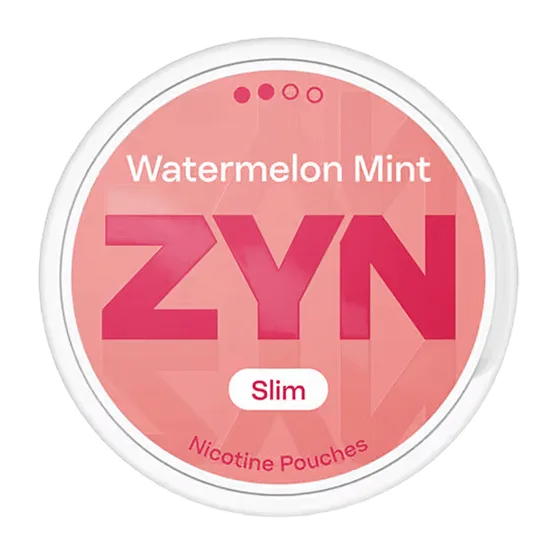
Slim formats are often linked with fit because their reduced width gives them a low profile. They may be chosen by adults who prefer less bulk or a smaller visible outline under the lip. Their narrow shape can also make placement feel more precise, since the pouch occupies a compact area. At the same time, slim pouches may have a smaller contact area than wider formats, which changes how strength and flavour are perceived.
Regular and large pouches occupy more space and can create a fuller feeling under the lip. They are less discreet for some users, but they may provide a broader contact surface. The difference between formats is not only about size. It also involves the amount of filling, the sachet material, and the way the pouch holds its shape once moistened. comfortable pouches for everyday use are therefore associated with several product variables rather than with a single format.
Use setting and product context
Lip placement is tied to discreet use because the pouch remains inside the mouth and does not produce smoke or vapour. This is one reason the subject appears in discussions of work, travel, and social settings. The pouch is small, enclosed, and held in position by the lip and gum. Its visibility depends on lip shape, pouch size, and placement height. Slim nicotine pouches are often described in relation to this low-profile quality.
Usage time affects how placement is experienced. A fresh pouch may feel different from one that has been in the mouth for some time. As moisture spreads through the filling, the sachet can soften and settle. Flavour may fade, and nicotine release changes over time. The pouch may also shift during eating, drinking, or conversation. These changes are part of ordinary use and are commonly mentioned in product descriptions and adult user discussions.
Storage and disposal are adjacent topics. Before opening, pouches are kept in sealed containers that help preserve moisture and prevent drying. After use, the pouch is removed from the mouth and discarded as waste. Disposal is usually described in practical terms rather than as part of placement itself, but both belong to the same product cycle. The condition of a pouch at removal can differ from its condition at the start, especially in softness and odour.
Variation across brands and catalogues
UK online retailers organise nicotine pouches by strength and flavour, and many also show pouch format in product details. Placement is less often a formal filter. It appears in descriptive language, product names, and questions about comfort. Brands may use different terms for slim, mini, regular, or extra strong formats, and those names influence expectations about fit.
Strength is usually expressed as nicotine content per pouch or per gram. Flavour categories include mint, fruit, citrus, berry, and tobacco-inspired varieties. These attributes shape the overall experience, but they do not fully describe how a pouch feels under the lip. For that reason, detailed listings often mention sachet size or format alongside strength. Adults comparing products may read those details together, since placement comfort depends on more than flavour alone.

The subject also appears in product comparisons. A slim pouch may be compared with a regular pouch on the basis of bulk, contact area, and discreet use. A soft pouch may be contrasted with a firmer one. Terms such as upper lip and gum line are used to orient the reader, while moisture and usage time explain changes during use. In this sense, lip placement functions as a practical reference point within a wider catalogue of adult nicotine products.
Terminology
Several terms recur in descriptions of this subject. Pouch fit refers to the physical relationship between the sachet and the mouth. The upper lip and gum line identify the main placement region. Moisture describes both the initial condition of the pouch and its condition during use. Discreet use refers to the low visibility of the product while it is in the mouth. Storage and disposal describe the product before and after the period of use.
Slim nicotine pouches remain the main product category connected with this topic on specialist retail sites. The phrase reflects format rather than placement alone. It identifies a narrow sachet intended to sit with a low profile under the lip. References to comfort, fit, and everyday use usually accompany that format, since these qualities are part of how slim pouches are described in catalogues and adult product information.
