Nicotine pouch flavours and taste categories
Nicotine pouch flavours are the scent and taste systems used in small, tobacco-free pouches that place nicotine in the mouth without combustion. The subject covers the main flavour families, the way taste and aroma combine, and the role of strength, cooling agents, and sweeteners in shaping a product. Pouches are usually made from plant fibres or other porous materials, moistened with nicotine-containing liquid, and flavoured during manufacture. Flavour is one of the main ways products are distinguished, alongside nicotine content, pouch size, and format.
The taste of a nicotine pouch is not only a matter of flavouring added to a base. It is produced by several interacting parts. Nicotine itself has a sharp, slightly bitter character that can become more noticeable at higher strengths. The pouch material affects how quickly liquid and flavour molecules are released. Sweeteners soften bitterness, while cooling compounds can alter perception by acting on sensory receptors in the mouth. Salt and acidity can also change how strong or smooth a flavour seems. As a result, the same named flavour can taste different across brands and strengths.
Main flavour families
Mint is one of the most common families. It may present as a clean, crisp taste, a sweet confectionery style, or a stronger cooling type associated with menthol. Products in this range often rely on cooling sensation as much as flavour. A mild mint pouch may be light and fresh, while a stronger version can produce a lingering chill that affects the whole mouth. Some products separate mint from menthol by using sweeter mint notes and less cooling, while others combine both.
Fruit flavours form a broad group that includes berry, citrus, tropical, and orchard fruit profiles. Berry flavour is often described as sweet, tart, or jam-like, depending on whether the profile leans toward blackberry, raspberry, blueberry, or mixed berries. Citrus flavour is usually brighter and more acidic, with notes associated with lemon, lime, orange, or grapefruit. These profiles can be used alone or combined with cooling agents. Fruit flavours are often designed to mask the natural harshness of nicotine, so sweetness and acidity are important parts of the final taste.

Sweet and dessert styles use flavour notes associated with confectionery, bakery items, or drinks. These may include vanilla, caramel, coffee, cocoa, or candy-like blends. Such products tend to emphasise rounded sweetness and a softer finish. They can be less refreshing than mint or citrus profiles and are often chosen where a food-like taste is the main feature. The balance is delicate because too much sweetness can become cloying, while too little may allow nicotine bitterness to dominate.
Herbal, spice, and savoury families are less numerous but form a recognisable part of the category. Liquorice flavour is a clear example, with a dark, slightly sweet, anise-like profile that can feel more intense than many fruit styles. Other products use notes such as tea, ginger, pepper, or medicinal herbs. These flavours often have a dry or earthy character and may appeal to readers familiar with traditional lozenges or strong pastilles. Their taste can be distinctive even at lower flavour intensity.
How taste profiles are built
A taste profile is the combined impression created before, during, and after use. The first impression often comes from aroma, since volatile compounds reach the nose as the pouch is placed in the mouth. The next impression comes from taste on the tongue, including sweetness, bitterness, sourness, and saltiness. Texture and moisture then affect how evenly the flavour is released. The final impression may include cooling, tingling, or a residual taste after the pouch is removed.
Nicotine pouch flavour families and taste profiles are commonly described using ordinary food language, but that language is approximate. Mint, citrus, berry, and liquorice flavour names give a general direction rather than a fixed recipe. A citrus profile may be sharp and zesty in one product and sweet like a soft drink in another. Berry flavour may be juicy and light or dense and syrupy. These differences arise from the amount and type of flavouring, the sweetener system, the nicotine level, and the pouch material.
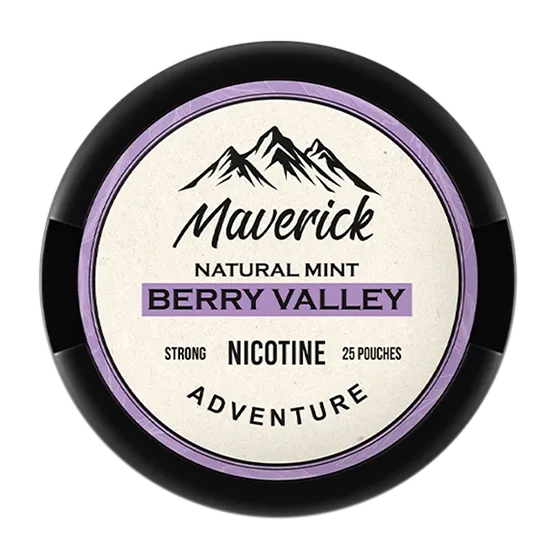
Cooling sensation deserves separate attention because it can shape a product more strongly than its named flavour. Cooling agents may create a cold feeling without adding a distinct taste. This can make mint products seem cleaner and fruit products seem fresher. It can also change perceived strength, since a strong cooling effect may be interpreted as a stronger pouch even when nicotine content is similar. Products with little or no cooling tend to rely more on aroma, sweetness, and flavour detail.
Strength and flavour interaction
Nicotine strength is usually measured in milligrams per pouch or milligrams per gram. Higher strength does not simply add nicotine effect, it also changes taste. Nicotine can produce bitterness, dryness, and a burning or peppery impression. Formulators may respond with more sweetener, stronger aroma, or added cooling to keep the profile consistent. This means a product line may offer the same flavour name at several strengths, with noticeable sensory differences between them.
Pouch size and moisture also matter. A dry pouch may release flavour slowly and feel less intense at first, while a moist pouch may give a fuller immediate taste. Smaller pouches can feel more discreet but may have a concentrated release. Larger pouches may hold more liquid and produce a longer-lasting impression. These physical traits interact with flavour intensity, so two pouches with similar labels can differ in how long a taste remains clear.
Classification and labelling
Retail categories often group products by simple flavour labels, such as mint, fruit, berry, citrus, sweet, or liquorice flavour. These labels help compare products, but they do not form a formal scientific classification. Some products combine families, for example a berry and cooling blend or a citrus mint blend. Others use abstract names that require the description to identify the actual profile. In reference use, the practical approach is to treat flavour names as broad categories and then describe the sensory details.
Nicotine pouch flavour families and taste profiles are best understood as a system of categories rather than a fixed list. The main families provide a shared vocabulary, while individual products vary through formulation and strength. Mint and cooling styles emphasise freshness, fruit styles rely on sweetness and acidity, dessert styles build rounded food-like notes, and herbal or liquorice styles offer sharper or earthier profiles. Together, these elements explain how a small pouch can produce a wide range of sensory experiences without tobacco leaf or smoke.
