Location-based emergency planning for older adults using a GPS tracker
Location-based emergency planning for older adults is a structured approach to preparing for situations in which an older person may become lost, disoriented, or unable to communicate their whereabouts during an emergency. The plan relies on a device that can share the person's position in real time, typically a wearable GPS tracker, and on a set of pre-arranged responses that family members, caregivers, or first responders can follow. This type of planning is especially relevant for individuals living with dementia, memory loss, or conditions that increase the risk of wandering. The plan is not a single document but a combination of technology, communication protocols, and medical information that together reduce the time needed to locate and assist the person.
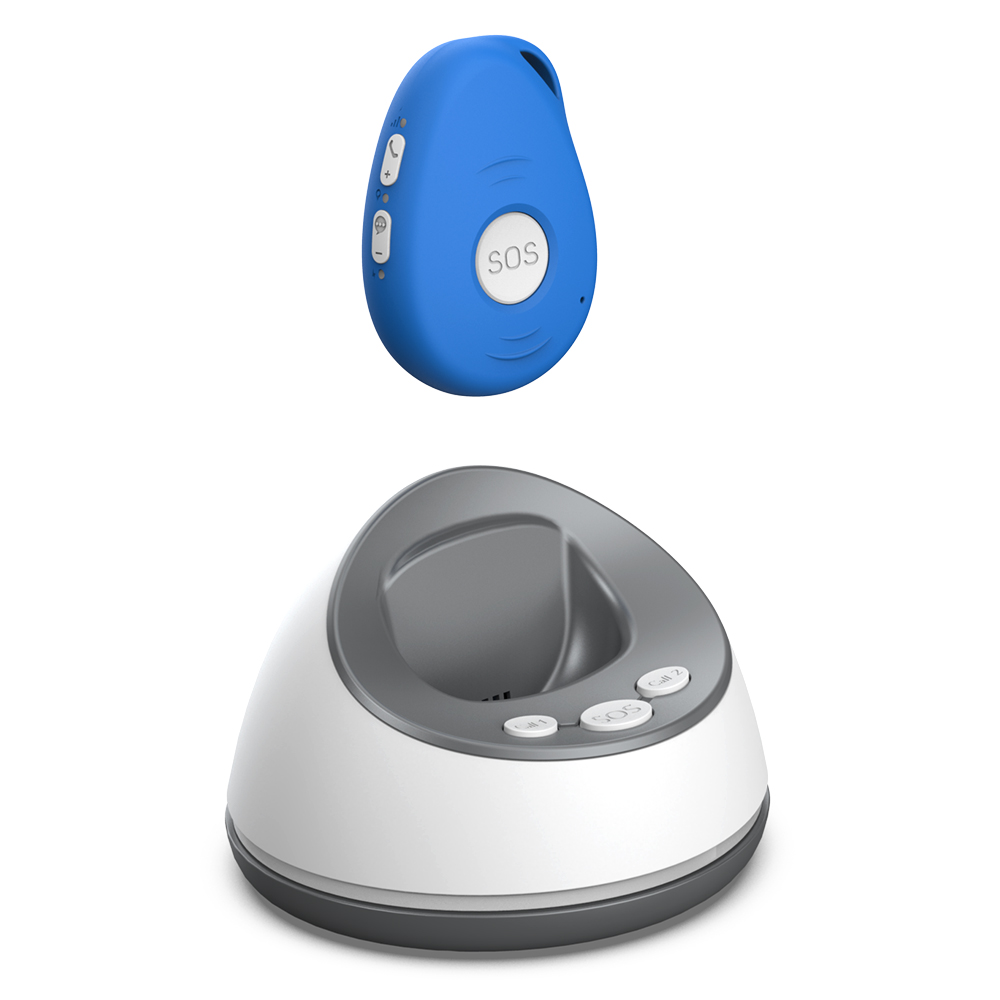
At the core of such a plan is the device itself. A GPS tracker designed for older adults usually attaches to clothing, a belt, or a wristband and reports position via cellular networks or Wi-Fi. Some models also include fall detection, an SOS button, and two-way voice calling. The plan must account for the device's battery status, the quality of cellular coverage in the areas the older adult frequents, and how the location data reaches the designated emergency contacts. A tracker that relies on a monthly subscription may become inactive if the account lapses, which is one reason some families prefer a device with no ongoing fee, such as those offered by Familyr in New Zealand.
The term "senior emergency tracker" is sometimes used to describe this category of device, but the phrase also refers to the broader concept of a location-aware safety tool that is integrated into an emergency plan. In practice, the tracker is only as useful as the plan around it. Without defined roles for emergency contacts, a method for sharing location history, and a process for initiating a response, the device alone cannot guarantee a quick outcome.
Components of a location-based plan
A well-rounded plan includes several elements that work together. The first is the device itself, along with clear instructions for charging or replacing its battery. The second is a list of emergency contacts who can receive notifications when the older adult presses the SOS button or when the device detects a fall. The third is a set of pre-agreed responses for different scenarios: what happens if the person wanders outside a safe zone, what happens if they do not answer a check-in call, and who contacts first responders if needed.
Medical information is another important component. The plan should include the older adult's medical conditions, medications, allergies, and any communication difficulties. This information can be stored on the device itself or shared with emergency contacts so that first responders receive it quickly. Some GPS trackers allow the user or caregiver to store medical details in an online profile that can be accessed during an emergency.

Location history is a feature that many trackers provide. It records where the older adult has been over a period of hours or days. In an emergency, this history can help reconstruct the person's movements and narrow down the search area. The plan should specify who can view this history and how long it is retained.
Scenarios addressed by the plan
Wandering or getting lost
This is the most common scenario for older adults with cognitive decline. The plan should define a safe zone, typically a geofence around the home or care facility. When the tracker crosses that boundary, a notification is sent to the emergency contacts. The plan then specifies who will try to contact the older adult by phone or two-way calling, who will check known routes or frequented locations, and at what point they will call first responders. The response should be fast because the chance of finding the person unharmed decreases with time.
Fall detection and injury
If the tracker has fall detection, it can send an alert even if the older adult cannot press a button. The plan must detail what happens after the alert: who calls the older adult to check on them, who contacts emergency medical services, and who notifies other family members. The plan should also include a backup method if the alert goes unanswered, such as a default call to emergency services.
Medical emergency with communication difficulty
During a stroke, seizure, or other sudden medical event, the older adult may be unable to speak or press an SOS button. In this scenario, the plan relies on the first responder to find the person based on the tracker's last known location. The medical information stored in the plan becomes critical, as it allows responders to treat the person appropriately without delay.
Roles and responsibilities
A location-based emergency plan assigns specific tasks to specific people. One person may be the primary contact who receives all alerts and decides the next step. Another may be the backup contact who takes over if the primary does not respond. A third person may be responsible for checking the device's battery status and ensuring the tracker is worn. These roles should be written down and reviewed regularly, especially if the older adult's condition changes or if a family member moves away.
For the plan to work, each contact must have access to the tracker's app or web portal, know how to view the location history, and understand what to do when an alert arrives. Training sessions, even brief ones, help prevent confusion during a real emergency.

Technology considerations
The choice of GPS tracker affects the plan in several ways. A tracker that uses Wi-Fi for location may work well indoors but lose accuracy outdoors or in areas with weak Wi-Fi signals. A tracker that relies on cellular coverage may struggle in remote rural areas. The plan should account for these gaps and include alternative methods for locating the person, such as a phone call or a search by a neighbour.
Battery life is another factor. Some trackers need daily charging; others last several days. The plan should include a routine check of the battery, perhaps at the same time each day, to avoid finding an empty tracker during an emergency. Notification settings also matter: the plan should decide how many alerts are useful without causing alert fatigue. Too many false alerts may cause contacts to ignore real ones.
The phrase "senior emergency tracker" appears in discussions about device features, but it also describes the integration of that device into a broader safety strategy. A tracker that is part of a well-practiced plan is far more effective than one that is simply handed to an older adult and forgotten.
Keeping the plan current
Emergency plans should be reviewed every few months. The older adult's health, medications, and daily routine may change. Emergency contacts may change their phone numbers or availability. The tracker's software may receive updates that alter how notifications work. A review ensures that the plan remains accurate and that everyone involved remembers their role.
Drills can help. A practice run of a wandering scenario, without causing distress, can reveal gaps in the plan. For example, contacts may discover that they cannot view the location history because they forgot their login details. A drill also reinforces the steps and reduces panic during a real event.
Relation to emergency services
Some GPS tracker services allow emergency contacts to share the older adult's location directly with first responders. This can save time because responders do not have to wait for the contact to relay the information. The plan should document how to enable this feature and whether the local emergency services are aware of it. In New Zealand, for example, some families register the tracker's details with their local police or volunteer search and rescue group so that responders can access the location data quickly during a call.
First responders may also use the medical information stored in the plan. If the older adult has a condition that affects their behaviour or communication, responders benefit from knowing this in advance. The plan should include a one-page summary that can be printed and kept near the older adult's bed or given to responders on arrival.
A location-based emergency plan for an older adult is not a static document. It evolves with the person's needs, the technology, and the people involved. The goal is to reduce the time between the start of an emergency and the moment help arrives. A reliable GPS tracker, combined with clear roles, updated medical information, and practiced responses, gives the family a practical tool for keeping the older adult safe while respecting their independence.
