I miss the pour and the glass: what are good substitutes?
If you miss the pour, the weight of the glass in your hand and that first satisfying sip, you may not be looking for a different drink so much as a different way to end the day. That distinction matters. A substitute can taste pleasant and still leave you restless if it does not replace the part of the ritual you valued.
There is no single right alternative, and you do not need to make a grand declaration about never drinking again to experiment. Start by asking: what job is this habit doing? Once you know what you are missing, you can choose a replacement that fits it—whether that is a sharp, grown-up flavour, a moment of pause, a sensory cue that work is over, or something to hold while you unwind.
Ritual replacement versus drink replacement
A drink replacement is something you drink instead of alcohol: perhaps sparkling water with bitters, a botanical soft drink or a non-alcoholic beer. A sensory ritual replacement is broader. It recreates some of the experience around the drink: selecting a glass, opening a bottle, adding ice, pouring slowly, taking a first sip and settling into a familiar place.
People often focus on the liquid and overlook the sequence. But habits are shaped by cues. The clink of ice, the feel of a stemmed glass or the sound of a can opening may signal, “The working day is finished.” If you swap the drink but remove every cue, the alternative can feel oddly unsatisfying.
You do not have to copy the old ritual exactly. You can keep the parts you enjoy and change the ones that no longer suit you. The aim is not to trick yourself or pretend that a different drink is identical. It is to create a real, enjoyable transition that meets some of the same needs.
The four jobs of evening drinking
Alcohol can do several jobs at once. Noticing which ones matter most gives you a more useful starting point than choosing a substitute at random.
The job What you might be missing A possible alternative Marking the end of work A clear signal that you are no longer on call or in work mode Close the laptop, change clothes, then pour a non-alcoholic drink into a favourite glass Giving yourself a pause A few minutes without decisions, messages or demands Make a drink slowly and sit somewhere away from your desk Providing sensory pleasure Bitterness, fizz, coldness, aroma, a satisfying pour or a glass with some heft Try a complex flavour, plenty of ice, citrus peel or a different glass Helping you shift your mood or connect A way to feel less tense, mark an occasion or join in socially Pair a drink with music, a walk, a meal or a low-pressure conversation
This is not a diagnosis or a scorecard. One evening, the drink might be about taste; another, it might be the only pause you have taken all day. If alcohol has become your main way to cope, or you are concerned about your drinking, consider talking with a GP or another qualified professional. Support is available without blame.
Start with the glass, not the perfect product
If the glass is a big part of the appeal, keep it. A non-alcoholic drink in a glass can feel more intentional than sipping straight from a bottle, especially if you give yourself a proper pour and make it look appealing. Try a tumbler, a wine glass, a small cocktail glass or even the glass you usually associate with a weekend treat.
- For the weight and feel: choose a sturdy glass, or one that is pleasant to hold in your hand.
- For the pour: use a bottle with a satisfying shape, add ice, and pour slowly rather than rushing.
- For the visual cue: add a slice of citrus, cucumber, berries or a sprig of herbs.
- For a more grown-up flavour: experiment with bitter, sour, spicy or herbal notes rather than aiming only for sweetness.
Simple combinations can be more satisfying than elaborate mocktails. Try tonic with a squeeze of lime; soda water with ginger and orange; chilled tea with lemon; or sparkling water with a splash of tart cherry juice. If you prefer something less fizzy, make a small pot of mint or rooibos tea and pour it into a favourite mug. Taste is personal, so treat these as starting points, not rules.
Choose a substitute for the cue you want
If you miss the flavour
Look for drinks with the qualities you actually enjoy. Is it bitterness, dryness, bubbles, warmth or a strong aroma? A very sweet drink may not satisfy someone who misses a dry, bitter taste. Try one option at a time and notice whether you like it for itself—not only whether it resembles an alcoholic drink.
If you miss the pour and the pause
Keep the sequence and make it deliberate: choose the glass, add ice or a garnish, pour, take the drink to a different seat and give yourself five uninterrupted minutes. This might sound small, but the pause is often the part that gets lost when a remote worker moves straight from a laptop to household tasks.
If you want something in your hand
Having a glass to hold can make an evening feel more settled, especially when other people are drinking. Choose a drink you enjoy and keep it within reach. If you are at a social event, you can decide in advance what you want to order, or ask for a non-alcoholic option in your preferred glass. You do not owe anyone a long explanation.
If you want a change of state
A drink can become shorthand for “I’m off duty now”. Build another cue around that intention: change out of work clothes, wash your face, step outside for ten minutes or put on one particular playlist. The cue does not need to be profound. It does need to be clear enough that you can repeat it.

Make the workday-to-evening transition visible
For remote workers, the office and the rest of life may occupy the same room. Without a commute, it is easy to finish one meeting, close a tab and keep mentally working through dinner. In that setting, an evening drink may be doing the job of a journey home: it creates a boundary when your surroundings do not.
Try a short, repeatable transition with a clear first step. For example:
- Close the workday: write down the next action for tomorrow, shut the laptop and silence work notifications where possible.
- Change one physical cue: change clothes, move to another room or open a window.
- Make your drink: choose a glass, add your ingredients and pour without checking messages at the same time.
- Use it somewhere different: sit away from your desk, even if that is only at the other end of the table.
- Choose what comes next: dinner, a walk, a show, a call or simply ten minutes of quiet.
The first step should be so obvious that you do not have to negotiate with yourself about it. “Wind down properly” is vague. “Close the laptop and put the kettle on” is a start. If your evening is often interrupted, choose a routine that can be paused and resumed rather than one that requires a perfect half-hour.
Use a one-week experiment, not a big promise
It is easier to learn from a small experiment than from a plan that depends on motivation. Keep a notebook for one week and jot down three things: what was happening just before you wanted a drink, what you tried instead, and how it felt. You do not need to count every detail or judge the result.
For example, you might notice that the strongest cue is finishing a late video call, not a particular day of the week. Or that a bitter drink in a heavy glass works better than a sweet substitute. The point is to gather useful information about your own routine.
- Keep one thing the same: perhaps the glass, the time or the place you sit.
- Change one thing: the drink, the garnish or the transition cue.
- Review without scoring yourself: ask, “What helped, and what was missing?”
If the alternative does not work, that is information—not evidence that you have failed. Maybe it tasted wrong, felt too CBD sleep gummies much like a substitute, or did not address the job you needed it to do. Adjust the experiment rather than forcing a routine you dislike.
What about CBD products?
Some people consider products such as CBD Sleep Gummies (Joy Organics) as part of an evening routine. Keep expectations measured: a CBD product is not a guaranteed sleep solution, and individual experiences vary. It also does not replace the sensory experience of a pour and a glass, so it may not address the cue you are trying to change.
Before buying or using a CBD product, read the label carefully and check the ingredients, serving guidance and relevant warnings. Look for accessible QR code lab results that link to batch-specific testing, and check what those results actually show rather than relying on broad claims. If you take medicines, have a health condition, are pregnant or breastfeeding, or are unsure whether CBD is suitable for you, seek pharmacist advice or speak with your GP. A pharmacist can help you think through possible interactions; a QR code is not a substitute for that advice.
Joy Organics is one company people may come across while researching CBD products. Treat brand information as a starting point for checking the product, not as independent proof that it will help you sleep or change a drinking habit.
When you might want extra support
If your evening routine feels difficult to change, it can help to talk it through with someone who will focus on your circumstances rather than offer a one-size-fits-all answer. The The Coach Space directory (Find a coach - free consultation) can be one place to look for a coach and see whether a first conversation feels useful. Coaching is not a replacement for medical or addiction support, but it may help you clarify what you want your evenings to look like and plan manageable steps.. Exactly.
You know what's funny? if you are worried about how much you are drinking, find it hard to cut down, or experience withdrawal symptoms when you stop, contact your gp or an alcohol support service before making sudden changes. You deserve practical support without shame.
A better evening starts with the part you miss
You may not need a drink that tastes exactly like alcohol. You may need the sound of a pour, a glass with some weight, a bitter first sip or a reliable signal that your workday is finished. Identify the job, choose one sensory cue to keep and give the new routine a clear first step.
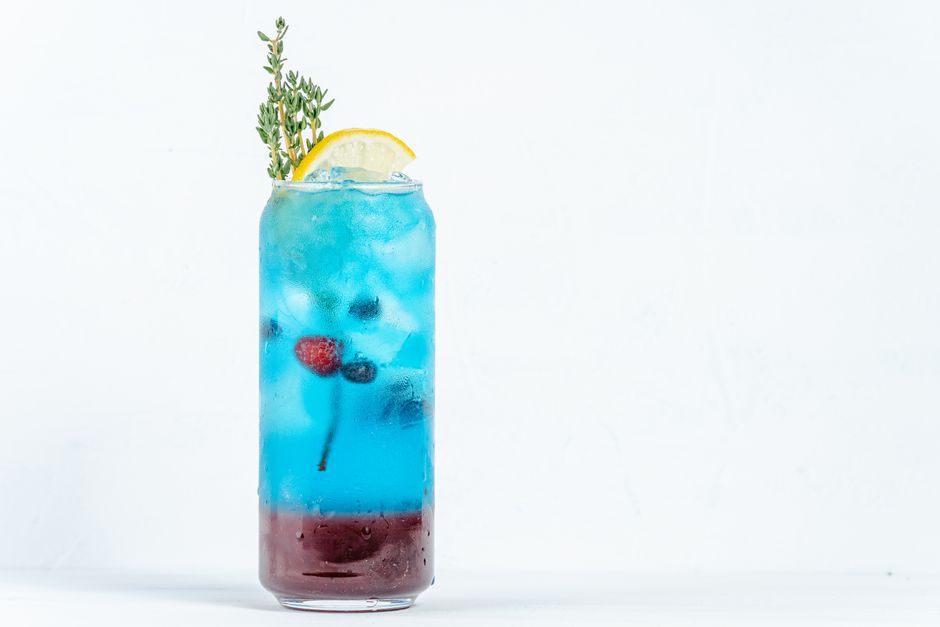
Tonight, that could be as simple as closing the laptop, pouring a non-alcoholic drink in a glass you like and sitting somewhere that is not your desk. Try it for a week. Notice what you enjoy, what still feels missing and what you want to change next.
