How to Keep Diamond Jewelry Looking Its Best
Understanding Diamond Care
Diamond jewelry holds a special place in many collections, and keeping it brilliant requires more than an occasional wipe. While diamonds are the hardest natural substance on earth, the settings and metals that hold them need thoughtful attention. Regular wear exposes rings, earrings, and pendants to oils, lotions, dust, and everyday grime, which can dull their sparkle over time. Understanding how to clean your pieces safely is the first step toward preserving their beauty for years to come.
Everyday Cleaning Methods
For routine maintenance, a simple cleaning at home works well. Fill a small bowl with warm water and add a few drops of mild dish soap. Let your diamond jewelry soak for about 20 to 30 minutes to loosen any buildup. After soaking, use a soft bristle brush, such as a clean eyebrow brush or a very soft toothbrush, to gently scrub around the diamond and under the setting. Pay special attention to the areas where the prongs meet the stone, as dirt tends to collect there. Rinse the piece thoroughly under warm running water, then pat it dry with a lint-free cloth.
This method is gentle enough for most diamond jewelry and works well for removing daily residue. However, be cautious with pieces that have loose stones or delicate settings. If you feel any movement in the diamond or notice worn prongs, take the item to a jeweler for inspection before cleaning it yourself.
When to Consider Professional Diamond Cleaning
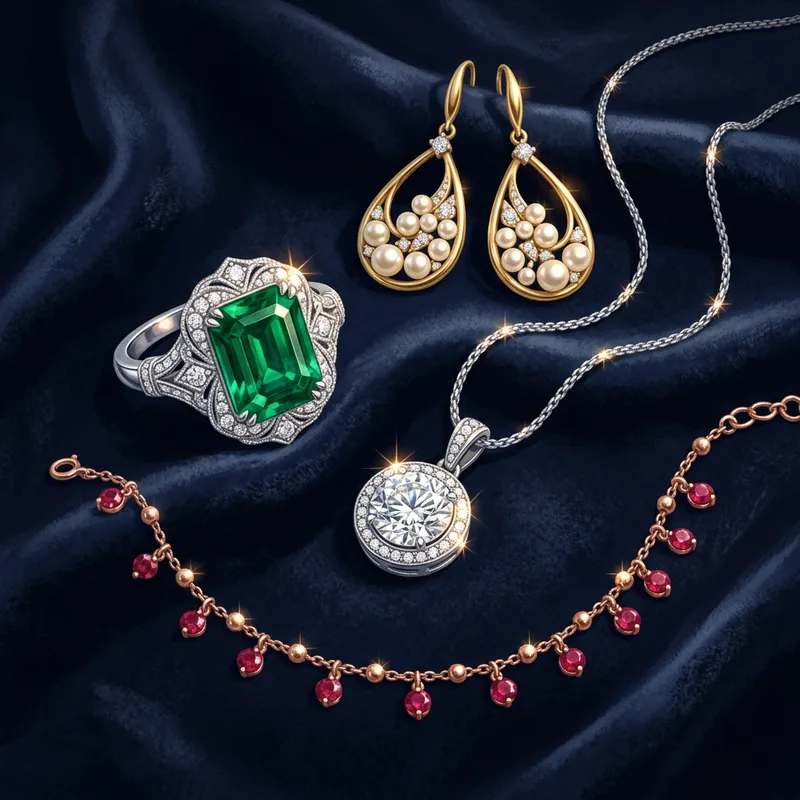
At-home cleaning works for surface dirt, but over time, diamond jewelry can accumulate stubborn grime that simple soap and water cannot remove. Oils from your skin, dried lotions, and even tiny particles of makeup can lodge in the tiny crevices of a setting. For a deeper clean, many people turn to professional services. A jeweler can use specialized equipment that reaches areas a brush cannot, restoring the original brilliance of the stone. This is where the concept of professional diamond cleaning becomes relevant for most owners.
Professional diamond cleaning often involves ultrasonic or steam cleaning machines. Ultrasonic cleaners use high-frequency sound waves to create tiny bubbles in a solution, which gently lift dirt from all surfaces of the jewelry, including hard-to-reach spots. Steam cleaning uses pressurized steam to blast away residue without chemicals. Both methods are effective, but they require proper technique to avoid damaging certain stones or settings. For example, some gemstones are porous or have fractures that can worsen under vibration or heat, so a professional will assess the piece before proceeding.
What to Expect During a Professional Cleaning
When you take your diamond jewelry to a reputable jeweler, the process typically begins with an inspection. The jeweler checks the security of the setting, examines the condition of the prongs, and looks for any chips or abrasions on the diamond itself. This step is crucial because loose stones can fall out during cleaning, and damaged prongs may need repair before the piece can be safely handled. After the inspection, the jeweler may clean the item using an ultrasonic machine or steam unit, followed by a rinse and drying with a soft cloth. Some jewelers also use a mild ammonia solution for extra shine, though this is less common.
It is worth noting that not all jewelry benefits from ultrasonic cleaning. Delicate or antique pieces, as well as those with certain treatments like oil or resin filling, require gentler handling. A skilled jeweler will know which method suits your piece and will explain any precautions they take. If you are unsure about the age or history of a piece, it is best to ask for advice before agreeing to any cleaning process.
Balancing Home Care and Professional Service
How often should you seek professional diamond cleaning? There is no strict rule, but a common recommendation is once or twice a year for pieces worn regularly. For special occasion jewelry, once a year may be enough. The key is to combine routine home care with periodic professional attention. Regular home cleaning prevents buildup from becoming too stubborn, while professional services restore the piece to like-new condition and provide an opportunity for a thorough inspection of the setting.
If you notice that your diamond ring has lost its sparkle despite regular home cleaning, it is a sign that a deeper clean is needed. Similarly, if you feel any roughness or catch on the prongs when sliding the ring over your finger, that suggests the setting may be wearing thin. A jeweler can address both issues during a professional cleaning appointment.
Choosing a Service Provider
When selecting a jeweler for professional diamond cleaning, look for a business with a good reputation and experienced staff. Many local jewelers offer this service for a modest fee, and some even include it for free if you purchased the item from them. It is wise to ask about their cleaning methods beforehand and whether they inspect the setting as part of the service. A responsible jeweler will be transparent about what they do and will not rush through the process.
If you have diamond jewelry with other gemstones, such as sapphires or emeralds, mention this at the time of drop-off. Different stones have different hardness levels and care requirements, and a professional should adjust their approach accordingly. For instance, pearls and opals are soft and can be damaged by ultrasonic cleaners, so they require separate handling.
Additional Tips for Diamond Care
Beyond cleaning, there are simple habits that keep diamond jewelry looking its best between professional visits. Remove rings when applying lotion, sunscreen, or heavy makeup to reduce residue buildup. Avoid wearing diamond jewelry while swimming in chlorinated water or using harsh cleaning chemicals, as these can dull the metal and weaken the setting over time. Store each piece separately in a soft pouch or lined jewelry box to prevent scratches from other items.
It is also wise to have the prongs checked by a jeweler at least once a year. Prongs hold the diamond in place, and they can wear down or loosen from everyday use. A quick inspection during a professional diamond cleaning appointment can catch small issues before they become bigger problems, saving you from the risk of losing a stone.
Understanding Diamond Hardness and Cleaning
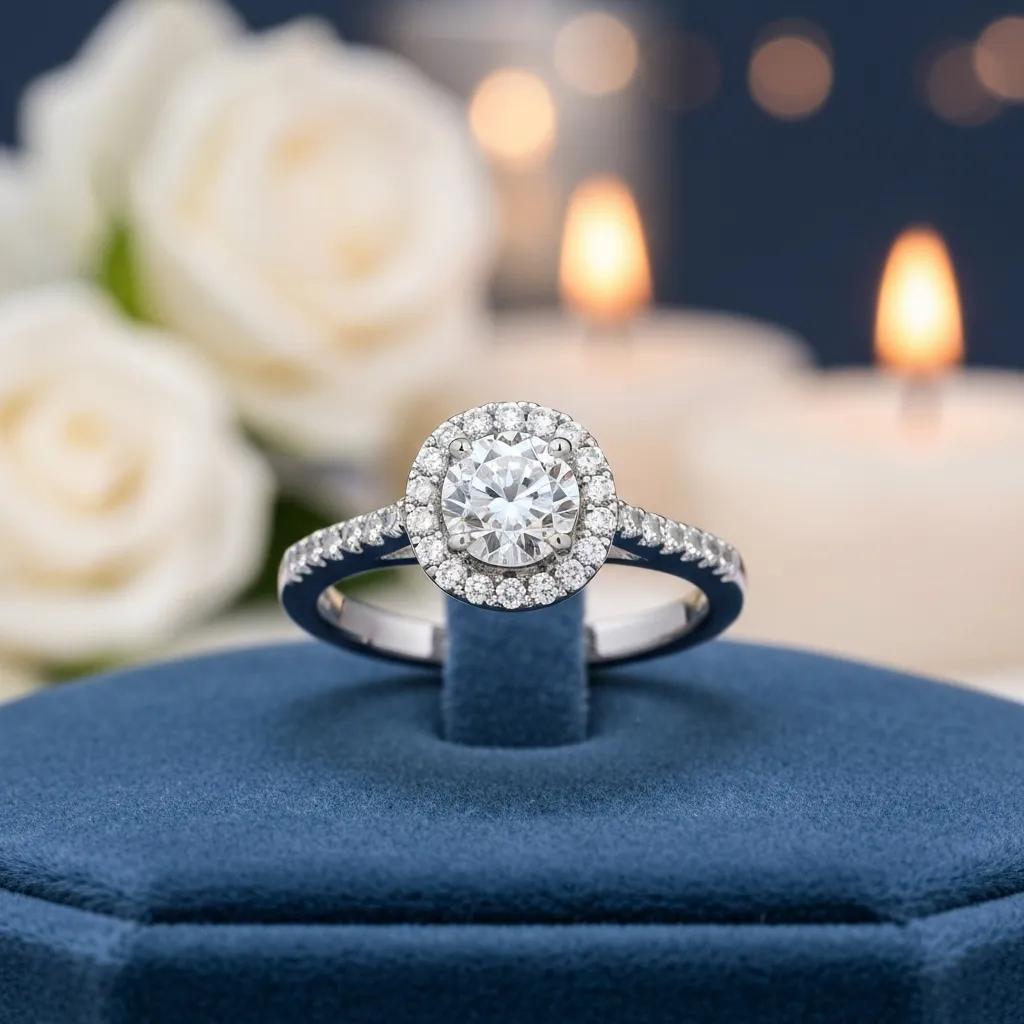
Diamonds rank 10 on the Mohs scale of hardness, making them resistant to scratching. However, hardness does not mean indestructibility. A diamond can chip or fracture if struck with enough force along its grain, and the edges of a cut diamond are especially vulnerable. This is why proper cleaning technique matters. Using a soft bristle brush and gentle pressure protects the diamond and the metal from damage. Harsh chemicals or abrasive cleaners can also harm the finish of gold or platinum settings, so stick with mild soap solutions.
Lab-grown diamonds share the same physical and chemical properties as natural diamonds, so the same cleaning guidelines apply. Whether your stone is mined or created in a laboratory, the care required is identical. The 4Cs grading system also applies to both, so when you have a diamond appraised, the cut, color, clarity, and carat weight determine its quality and value. A professional cleaning will not change these characteristics, but it will restore the stone’s ability to reflect light, which is what gives it that desired sparkle.
Final Thoughts on Diamond Maintenance
Keeping diamond jewelry brilliant is a combination of sensible daily habits and periodic professional care. Home cleaning with mild soap and a soft brush handles the light film that builds up over a few days or weeks. For the deeper, more stubborn deposits that form over months of wear, a visit to a jeweler for professional diamond cleaning is the most effective solution. The process not only restores the stone’s brilliance but also gives you peace of mind that the setting is secure. With a little attention and the right approach, your diamond jewelry can stay as beautiful as the day you acquired it.
