How to Check if a Toilet Base Leak Is Causing Bathroom Mold
Understanding the connection between toilet leaks and mold
Bathroom mold is a common problem that many homeowners face. While poor ventilation and high humidity often get the blame, a hidden source of moisture can be a slow leak from the toilet base. This type of leak is easy to overlook because it often goes unnoticed until visible damage appears. A bathroom mold inspection should always include a careful look at the toilet area, as persistent moisture there can create ideal conditions for mold growth behind the toilet and along the floor.
When water seeps out from the base of a toilet, it soaks into flooring materials and the subfloor beneath. Over time, this trapped moisture feeds mold spores that are always present in the air. The result can be discoloration, a musty smell, and potential damage to the structure. Understanding how a toilet base leak contributes to mold is the first step in addressing the problem effectively.
For homeowners dealing with recurring bathroom mold, it is worth considering whether the toilet is part of the issue. A thorough bathroom mold inspection by a professional service like Mold Removal Boston Pros can help identify the source of moisture and recommend the right solution.
How a toilet base leak happens
A toilet is sealed to the floor with a wax ring or a rubber gasket, and the connection is secured by bolts. Over time, the wax ring can dry out and crack, or the bolts can loosen, creating a gap. When the toilet is flushed, water can escape from this gap and run down the side of the bowl onto the floor. The leak may be small, so it might not show up as a puddle immediately. Instead, the water wicks into the flooring and the subfloor, staying hidden for weeks or months.
Another way a toilet base leak can develop is through a worn-out or improperly installed wax ring. If the ring is not seated evenly, the seal is weak. Similarly, if the toilet is rocked or shifted during use, the seal can break. In some cases, the toilet itself might have a hairline crack in the base, which is rare but possible. Regardless of the cause, the result is the same: moisture where it should not be.
Signs of a toilet base leak
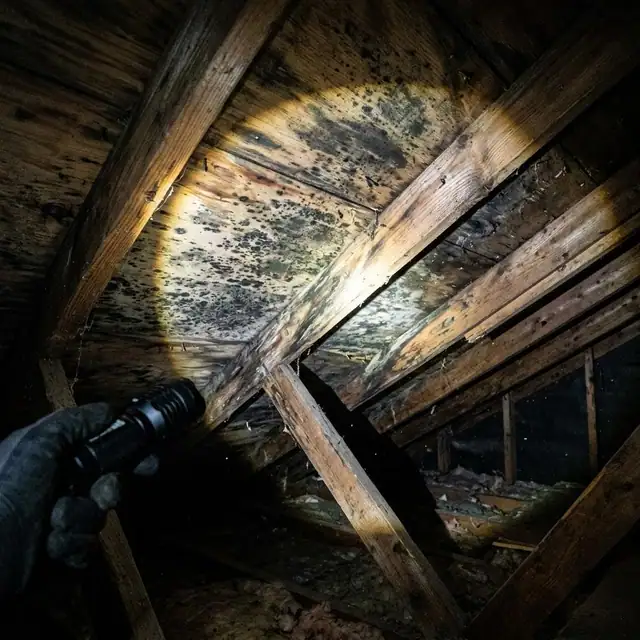
Detecting a toilet base leak early can prevent mold from taking hold. Look for these signs during a bathroom mold inspection:
- Water stains or discoloration on the floor around the toilet base
- Soft or spongy flooring when you press down near the toilet
- A persistent musty odor that seems strongest around the toilet area
- Visible mold growth on the base of the toilet or on the floor next to it
- Loose or wobbly toilet that moves slightly when you sit on it
If you notice any of these signs, it is worth investigating further. Even a small amount of water can support mold growth if it is left unchecked.
Why mold thrives near a toilet base leak
Mold requires three things to grow: moisture, food, and a suitable temperature. The area around a toilet base provides all three. The moisture comes from the leak. The food source can be dust, soap scum, or organic matter that collects on the floor and on the toilet surface. The temperature in a bathroom is usually warm enough for mold to thrive. Once mold starts growing, it can spread to the caulking around the base, the grout between tiles, and even up the wall behind the toilet.
Mold that grows in this area is often black or greenish and can produce allergens that affect indoor air quality. People with allergies or asthma may notice symptoms like sneezing, coughing, or irritated eyes. Addressing the leak quickly can stop the mold from spreading and reduce health risks.
How to check for a toilet base leak during an inspection
A DIY bathroom mold inspection can start with simple steps. First, look at the caulking or sealant around the base of the toilet. If it is cracked, missing, or pulling away from the floor, water can get underneath. Next, dry the area around the toilet thoroughly with a towel. Place a few pieces of toilet paper or a dry paper towel around the base, especially at the back and sides. Flush the toilet and watch for any moisture appearing on the paper. If the paper becomes wet, you have a leak.
Another method is to check the floor for soft spots. Press down on the flooring around the toilet with your foot or hand. If it feels springy or gives way, the subfloor may be water-damaged. This is a strong indicator of a long-term leak. You can also check the water supply lines and the shut-off valve for drips, though these are separate from the base leak.
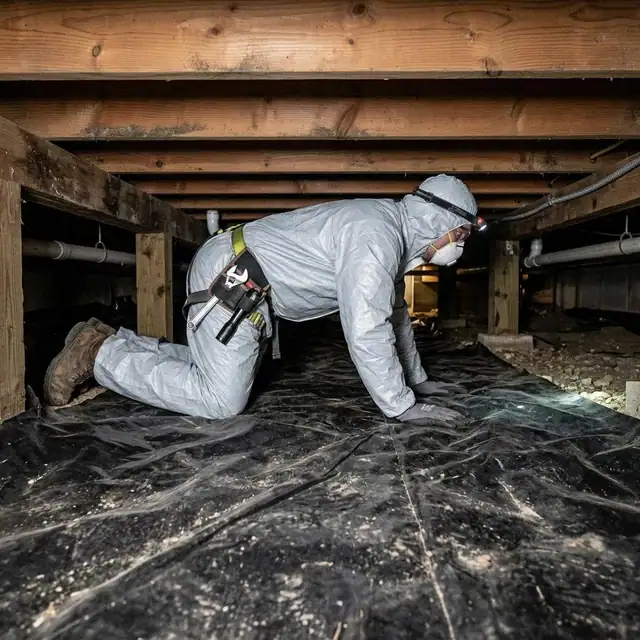
For a more thorough assessment, it is wise to call a professional. A bathroom mold inspection from a qualified service can include the use of moisture meters and borescopes to detect hidden moisture. Mold Removal Boston Pros can perform this type of inspection and identify the exact source of moisture before it leads to major mold problems.
Repairing a toilet base leak
If you confirm a toilet base leak, the fix is usually straightforward. The toilet needs to be removed, the old wax ring scraped off, and a new one installed. The bolts should be tightened evenly to create a good seal. While the toilet is off, it is a good time to inspect the flange and the subfloor for any existing mold or rot. If mold is present, it should be cleaned and the area dried before reinstalling the toilet.
Replacing the wax ring is a job that many homeowners can do themselves with basic tools. However, if the subfloor is damaged, the repair becomes more involved. In some cases, the flooring material needs to be replaced, and the subfloor might need to be cut out and patched. A professional can handle these repairs and ensure that the area is properly dried and treated to prevent future mold.
Preventing mold after fixing the leak
Once the leak is fixed, the next step is to prevent mold from returning. Keep the area around the toilet clean and dry. Wipe up any splashes or spills promptly. Improve bathroom ventilation by using an exhaust fan during and after showers. Opening a window can also help. Consider using a dehumidifier in the bathroom if moisture levels stay high.
Inspect the caulking around the toilet base periodically. If it shows signs of wear, re-caulk it with a mold-resistant silicone sealant. This creates a barrier that prevents water from seeping under the toilet. It also makes cleaning easier because there is no gap for dirt and moisture to collect.
When to call a professional
If you find extensive mold growth or water damage during a bathroom mold inspection, it is best to get professional help. Mold that has spread into the subfloor or walls can be difficult to remove completely without the right equipment. A service like Mold Removal Boston Pros can assess the extent of the damage, remove the mold safely, and recommend repairs to prevent recurrence. They can also address underlying issues like poor ventilation or hidden moisture sources.
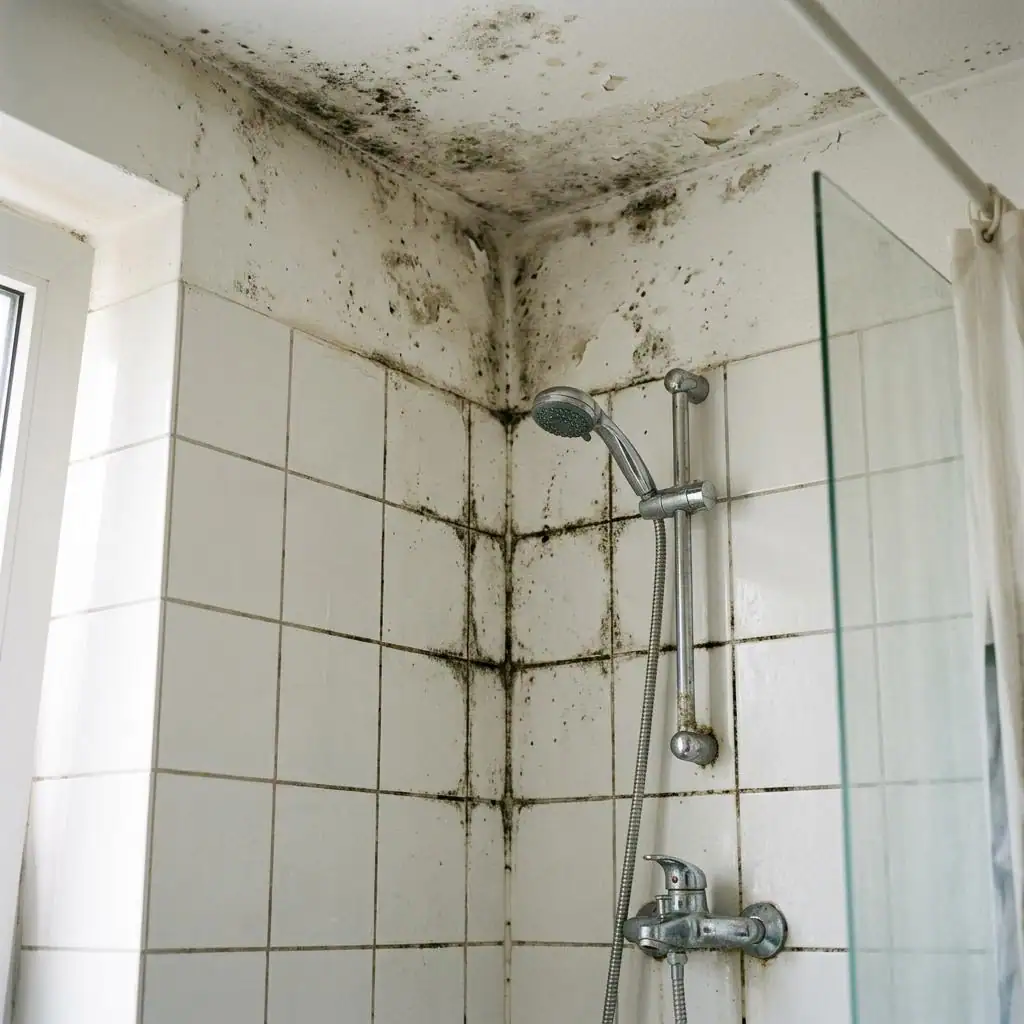
Professional mold remediation is especially important if anyone in the household has respiratory issues or allergies. Improper cleaning can release mold spores into the air, making the problem worse. Trained technicians follow procedures that contain and remove mold without spreading it.
Final thoughts
A toilet base leak is a small problem that can lead to a big mold problem if it is ignored. Including the toilet area in your regular bathroom mold inspection can save you time, money, and stress. By checking for signs of moisture and addressing leaks promptly, you can keep your bathroom healthy and mold-free. Whether you handle the repair yourself or call in a professional, the key is to act quickly. The longer moisture sits, the more chance mold has to take hold.
