How Resident Evil 4 Remake Gameplay Refines a Survival Horror Classic
When Capcom announced the remake of Resident Evil 4, the reaction was a mix of excitement and concern. The original 2005 game is often called one of the greatest action games ever made, and for good reason. It redefined the survival horror genre with its over-the-shoulder camera, intense set pieces, and a perfect balance between action and tension. So the question on everyone's mind was: could the remake capture that same magic while making it feel fresh for a modern audience? After spending dozens of hours with the game, I can say that the re4 remake gameplay does something remarkable. It honors the original's spirit while making smart, meaningful changes that improve the experience without losing what made it special.
Resident Evil 4 Remake is not a complete overhaul. It is a careful revision. The core story beats are the same. Leon Kennedy still heads to a rural Spanish village to rescue the president's daughter, Ashley Graham. The infected villagers, the Los Illuminados cult, and the monstrous Regenerators all return. But the way you move through that world has been updated with modern design philosophy. The result is a game that feels both familiar and new, and that balance is the hardest trick to pull off in any remake.
Combat Feels Tighter and More Deliberate
The original Resident Evil 4 introduced "stop-and-pop" shooting. You planted your feet to aim, and you could not move while firing. That system worked well for its time, creating tension by forcing you to commit to a position. The remake keeps that basic idea but adds a layer of fluidity. You can now move while aiming down sights, which makes the re4 remake gameplay feel much more responsive. Enemies are faster and more aggressive, so standing still is often a death sentence. You have to keep moving, repositioning, and using the environment to your advantage.
The knife is no longer just a tool for breaking boxes. You can use it to parry enemy attacks, which opens up a more aggressive playstyle. A well-timed parry staggers an enemy and leaves them open for a melee follow-up or a point-blank shot. This adds a rhythm to combat that was not there before. You are constantly weighing distance, ammo, and enemy placement. It feels less like a shooting gallery and more like a proper fight for survival.
Weapon handling has also been reworked. Shotguns have more punch, but the spread is wider, making them less effective at range. The rifle feels more precise, but the zoom is tighter, so you lose peripheral vision. Every weapon has a clear trade-off, and you will find yourself swapping loadouts based on the situation. That kind of decision-making keeps the combat fresh even after multiple playthroughs.
The Village is More Connected and Open
One of the biggest changes in the remake is the level design. The original game was fairly linear, with distinct chapters that loaded separately. The remake stitches everything together into a more continuous world. The village feels like a real place now, with side paths, hidden rooms, and shortcuts that loop back to earlier areas. This encourages exploration in a way the original did not. You might find a new weapon or a treasure that gives you an edge later, but you also risk running into a group of enemies you are not ready for.
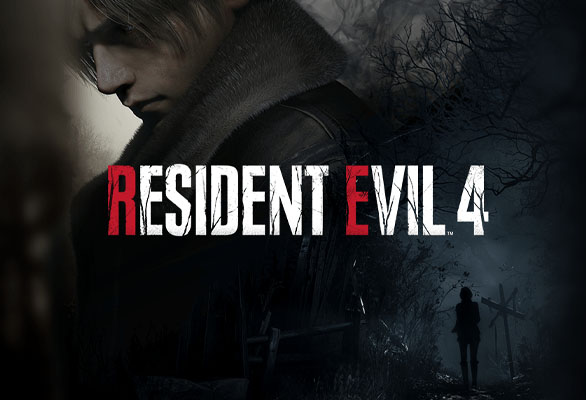
That sense of risk and reward is central to the re4 remake gameplay. You can choose to push forward or double back to search for supplies. The game does not hold your hand. The map is minimal, and you have to remember where you have been. It feels more like a survival horror game in that sense, where resource management and navigation are part of the challenge.
Enemy AI is Smarter and More Unpredictable
The Ganados, the infected villagers, are no longer the simple "rush toward you and swing" enemies of the original. They now flank, dodge, and coordinate. Some will hang back and throw axes while others charge. A few will pretend to be dead, lying on the ground until you get close. The chainsaw-wielding zealot, Dr. Salvador, is now a persistent threat that can track you through the village. You cannot outrun him by just going to the next room. You have to use the environment, close doors, and create distance.
This smarter AI forces you to stay alert. You cannot rely on a single strategy for every encounter. Sometimes you need to retreat and funnel enemies through a narrow hallway. Other times you need to stand your ground and use the shotgun to clear a path. The game rewards adaptability, and that makes each playthrough feel slightly different.
Resource Management is More Tense
Ammunition is scarce, especially on higher difficulties. You will often find yourself with only a few bullets in your revolver and a knife that is not much use against a crowd. The remake adds a crafting system that lets you combine resources to make ammo, health items, and even special rounds. But crafting takes time, and you cannot do it while enemies are attacking. So you have to find safe moments to restock, which adds another layer of tension to the re4 remake gameplay.
Green herbs are still the main healing item, but they now come in different types. Mixing two green herbs creates a stronger healing effect. Mixing green with red creates a super-heal that restores your health fully. But you have to find the herbs first, and they do not respawn. So you have to decide whether to use a herb now or save it for a tougher fight later. That kind of micro-decision is what makes survival horror compelling.
Boss Fights Are More Dynamic
The boss fights in the remake have been reworked to take advantage of the new combat system. The lake monster, Del Lago, now has more varied attack patterns. You need to dodge its tentacles while also managing the boat's position. The giant troll, El Gigante, can now break through walls and chase you across multiple rooms. The famous fight against the Verdugo, the blind giant, has been expanded with a second phase that forces you to use the environment in new ways.

Each boss feels like a puzzle that requires both reflexes and strategy. You cannot just unload bullets into them. You have to learn their tells, find weak points, and use the arena to your advantage. That is a big improvement over the original, where some boss fights felt like simple DPS checks.
Visual and Audio Design Enhance the Atmosphere
The RE Engine, used in Resident Evil 7 and Village, is put to excellent use here. The lighting is moody and dynamic. Shadows stretch and shift as you move through the village. Torches cast flickering light that makes it hard to see what is around the corner. The sound design is equally good. Footsteps echo in empty rooms. Chainsaws roar in the distance. The music swells at just the right moments. It all contributes to a constant sense of unease.
The character models are also much more expressive. Leon looks tired and worn down as the night goes on. His clothes get dirty and torn. The enemies have more varied animations, from stumbling to sprinting. It makes the world feel alive, even as it tries to kill you.
What the Remake Gets Wrong
No remake is perfect, and Resident Evil 4 Remake has a few missteps. The quick-time events from the original are mostly gone, which is a good change. But some of the set pieces, like the minecart chase and the final battle in the ruins, feel less epic than they did in 2005. The pacing is also slightly off in the middle third, where the island section drags a bit. And the merchant, the mysterious trader who sells you weapons, has been given a smaller role. Some players will miss his quirky personality.
The separate ways mode, where you play as Ada Wong, is not included in the base game. It was a fan favorite from the original, and its absence is noticeable. Capcom has said it may come as DLC, but for now, the main story is all you get. That is a letdown for players who wanted more content on day one.
Final Thoughts on the Experience
Resident Evil 4 Remake is a rare example of a remake that justifies its own existence. It does not replace the original, but it gives players a new way to experience a classic. The re4 remake gameplay is tighter, more responsive, and more strategic. The world is more connected and rewarding to explore. The enemy AI keeps you on your toes. And the visual and audio design create an atmosphere that is hard to forget.
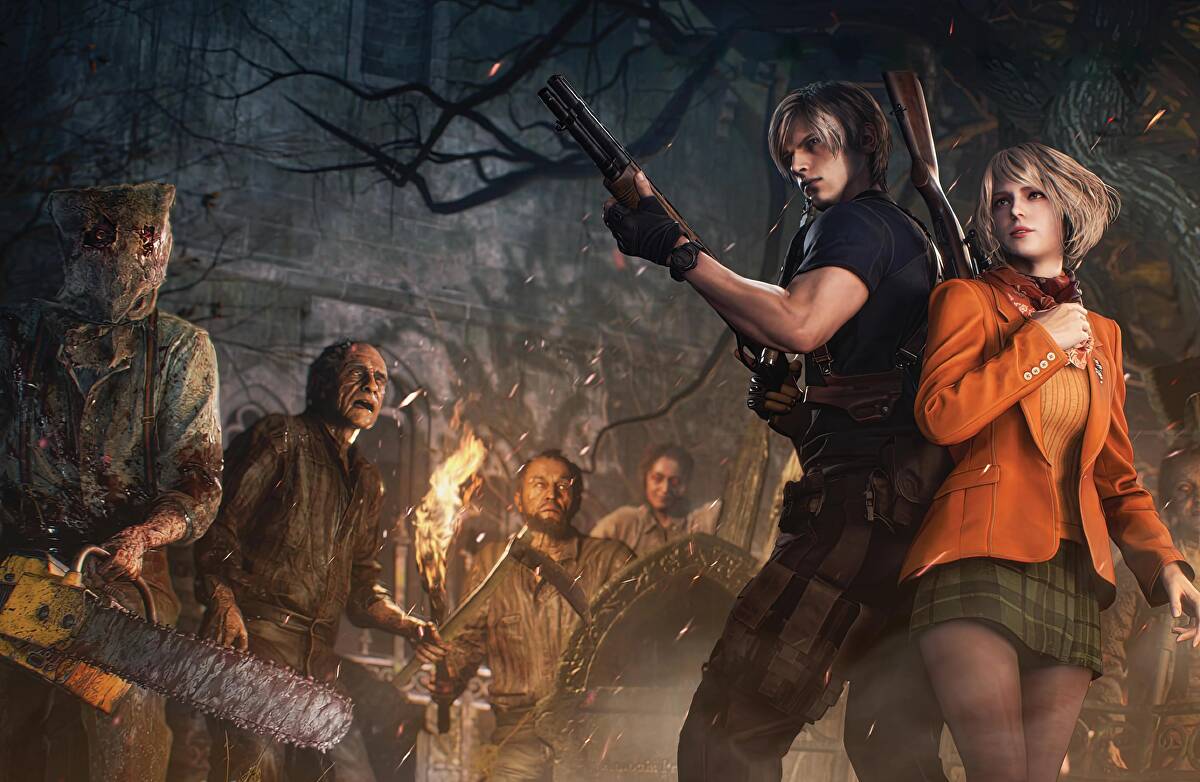
If you are a longtime fan of the original, you will find plenty to appreciate here. If you are new to the series, this is a great entry point. The game respects your time and your skill. It does not hold your hand, but it does not punish you unfairly either. It is a survival horror game that understands what made the genre great in the first place: tension, resource management, and the thrill of overcoming impossible odds.
For anyone who wants to see a masterclass in how to update a classic while staying true to its roots, this is it. The re4 remake gameplay is not just a nostalgia trip. It is a genuinely good game that stands on its own merits. And that is the highest compliment you can pay a remake.
