Gravel to Grass Conversion: A Practical Guide for Homeowners
Why Consider a Gravel to Grass Conversion?
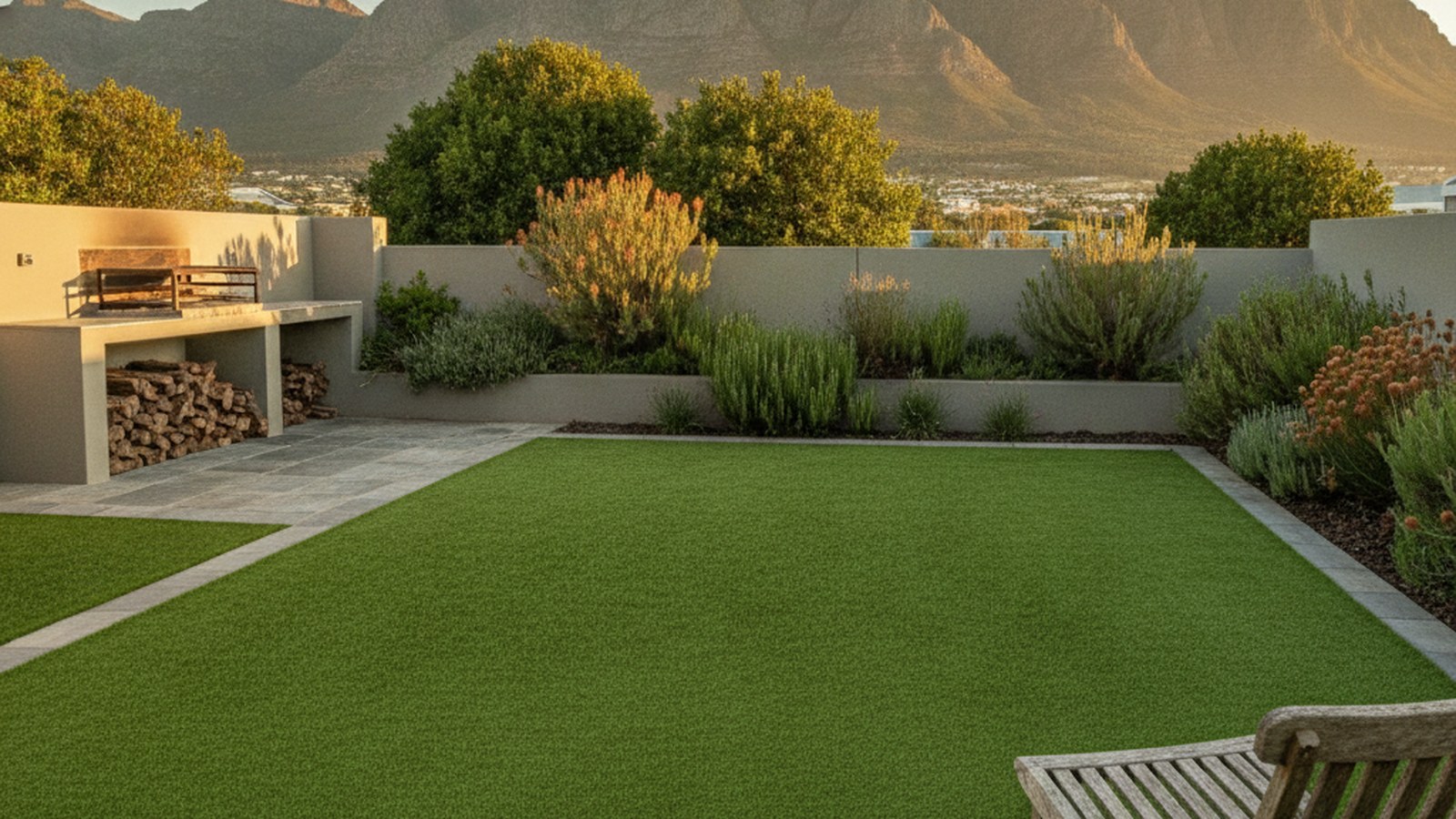
If you have a patch of gravel in your garden that never quite felt right, you are not alone. Many homeowners inherit or install gravel areas thinking they are low-maintenance, only to find weeds pushing through, dust settling, and the look growing tired. A gravel to grass conversion can transform that space into something more usable and inviting. I have seen this change work well in Cape Town gardens, where the dry summers make every green patch a small triumph.
The idea is not to rip out every stone but to replace the surface with artificial grass that stays green year-round. The process takes planning, but the result is a soft, clean area that children can play on, dogs can run across, and you can enjoy without the weekly chore of raking gravel back into place. The Artificial Grass Installers gravel to grass conversion service is a good example of how professionals approach this job, from site prep to final brushing.
What Makes Gravel Tricky to Convert
Gravel areas often sit on a base of compacted hardcore or sand. That base drains well but does not support grass growth directly. With real grass, you would need to remove all the stone, import topsoil, level it, and wait for seed or sod to establish. With artificial grass, the process is simpler but still requires care. The key is creating a stable, even sub-base that mimics the feel of natural turf underfoot.
I once watched a team convert a large gravel driveway strip into a lawn for a family in Constantia. The gravel had been down for ten years, and the base was uneven. They removed the top layer of stone, added a layer of crushed stone dust, compacted it, and then laid the artificial turf. The homeowners were amazed at how different the space felt. That is the kind of outcome a gravel to grass conversion can deliver when done right.
Steps in a Typical Gravel to Grass Conversion
Every site is slightly different, but the general sequence holds true. First, clear the area of weeds and loose stones. Then, if the gravel layer is thick, remove enough to create room for a new sub-base. A weed membrane goes down next to stop anything growing through. After that, a layer of crushed aggregate or decomposed granite is spread and compacted to form a firm, level surface. The artificial grass is cut to shape, laid, and secured at the edges with pegs or glue. Finally, the installer brushes the fibres upright and adds infill sand to keep the blades standing.
This process avoids the messy excavation needed for real turf and does not require irrigation or mowing. That is a big draw for many people. The Artificial Grass Installers gravel to grass conversion package includes all these steps, which is why it has become a popular choice for homeowners who want a quick transformation.
Where Gravel to Grass Conversion Works Best
Not every gravel patch should become grass. If the area is used for parking cars, for example, artificial grass can handle light traffic but may wear under heavy vehicles. In those cases, a gravel surface might be more practical. But for side passages, play areas, or decorative front gardens, the switch is almost always an improvement.
I recall a client in Sea Point who had a narrow gravel strip between her house and the boundary wall. It was a dust trap and the cats used it as a litter box. We converted it to artificial grass, and she put pot plants along the edge. That small change made the passage feel like part of the garden rather than a forgotten gap. The gravel to grass conversion cost her less than she expected and added usable space she actually walks on now.
Cost and Time Considerations
Converting gravel to grass is not free, but it is often cheaper than installing real turf on a new base. The main expenses are removal of the old gravel (if needed), the sub-base materials, and the artificial grass itself. Labour is usually a few days for an average garden. Many homeowners find that the long-term savings on water, fertiliser, and maintenance offset the upfront cost within a couple of years.
Artificial Grass Installers, for example, supply and install from R159 per square metre with an 8-year guarantee. That price includes the grass and the installation, which means you know exactly what you are paying for. For a typical 30 square metre gravel area, the total might come to around R5,000 to R7,000 depending on site conditions. That is a reasonable investment for a permanent green space.
What to Watch Out For
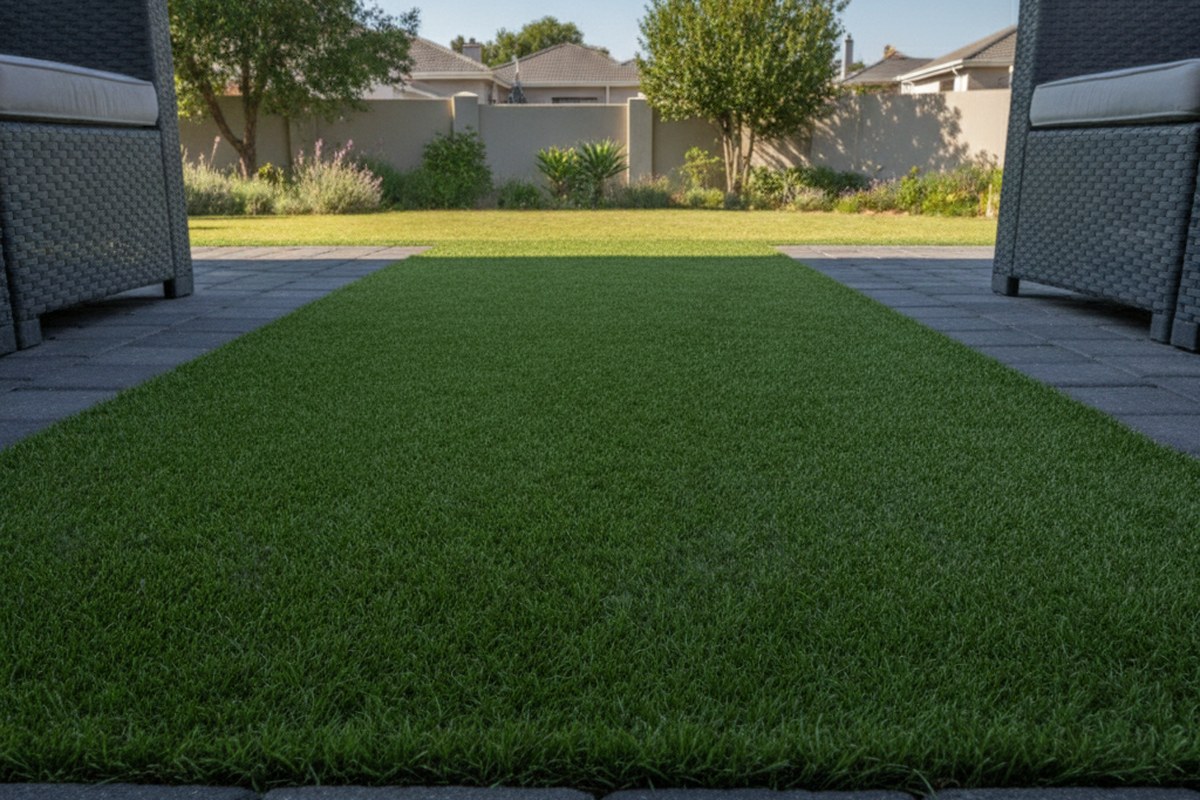
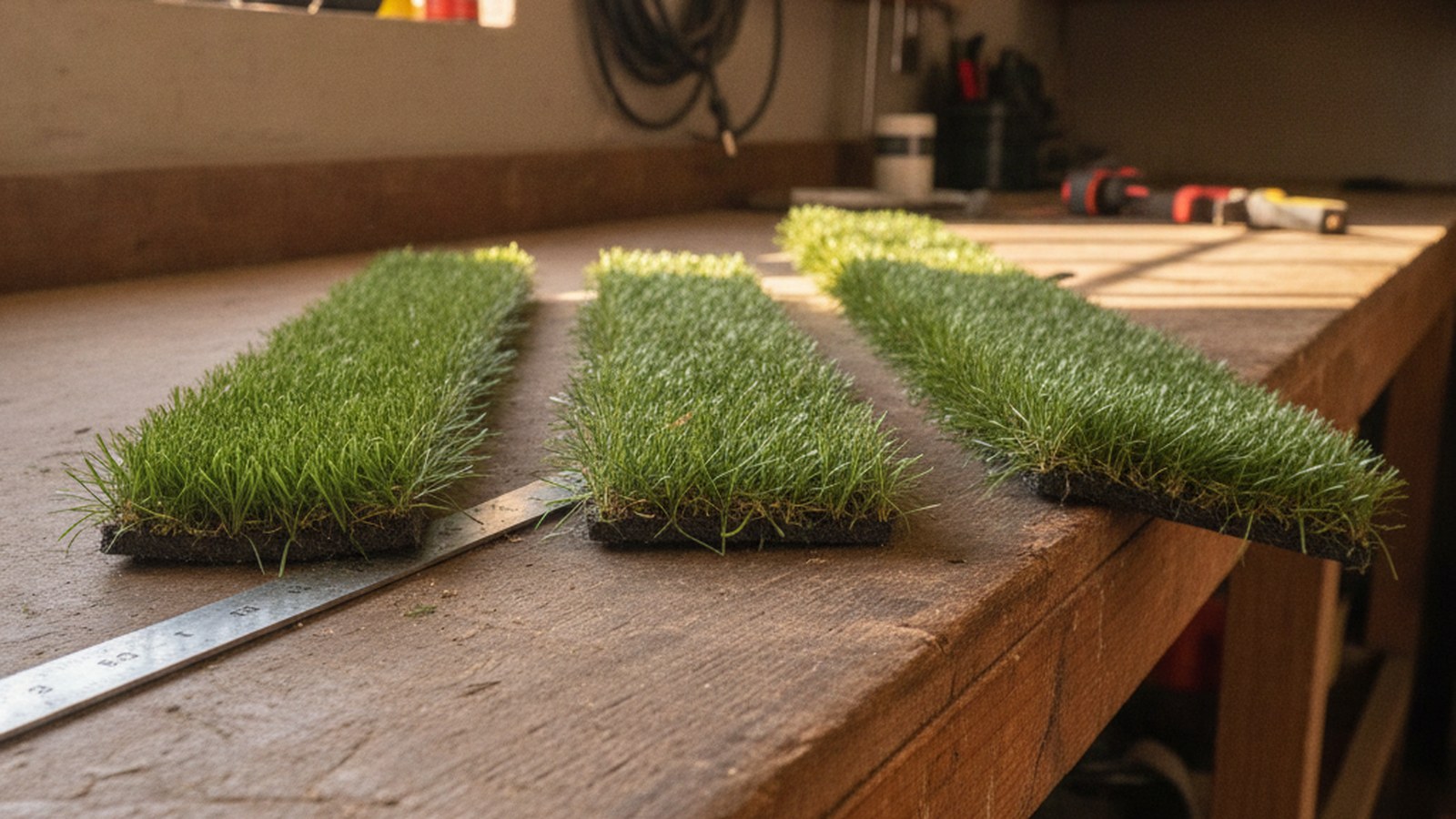
Not all artificial grass is the same. Cheaper products can flatten quickly, fade in the sun, or let weeds push through the seams. A quality installation uses a dense, UV-stabilised turf with a proper sub-base. It also includes a weed barrier and proper edge fixing. If you skip these, the conversion will look poor within a year.
Another detail: drainage. Gravel drains naturally, but artificial grass laid over a compacted base can hold water if the sub-base is not permeable. A good installer will use a crushed aggregate that allows water to pass through, and may add drainage channels if the area is large. I have seen conversions where water pooled because the base was too fine. That is easy to avoid with the right materials.
Finally, be realistic about the feel. Artificial grass is not the same as real turf. It is softer and does not have the same spring. But for many uses, that is fine. The trade-off is convenience and a consistent green look without the work.
Maintenance After Conversion
Once the gravel is gone and the artificial grass is down, maintenance is minimal. You will need to brush the fibres occasionally to keep them upright, especially in high-traffic areas. Leaves and debris can be blown off or picked up. If pets use the area, rinse it down now and then to stop odours. An annual deep clean with a mild detergent and a stiff broom keeps it looking fresh.
Compared to the weekly weeding, topping up gravel, and levelling that a gravel area demands, this is a fraction of the effort. That is the real win for most homeowners. You gain time and a space that stays tidy.
Final Thoughts on Gravel to Grass Conversion
If you have a gravel area that feels like a leftover space, consider a gravel to grass conversion. It is a practical project that changes how you use your garden. Whether you do it yourself or hire professionals, the key is good preparation and quality materials. The Artificial Grass Installers gravel to grass conversion service has a proven track record for a reason: they follow these steps and stand behind the work with a long guarantee.
Think about what you want from the area. If you want a place for the kids to play, a dog run, or just a green view from the kitchen window, artificial grass can give you that without the wait or the water bill. The gravel to grass conversion might be the best change you make to your outdoor space this year.
