GPS tracking for wandering response in older adult care
GPS tracking for wandering response is a method of using location-aware devices to help caregivers manage the risk that an older adult with dementia or other cognitive impairment will leave a safe area and become lost. The approach combines a wearable or portable GPS tracker with a planned set of actions that family members or professional carers can take when a person moves beyond a predefined boundary. It is most commonly applied in home care settings, memory care facilities, and community-based programmes that aim to balance safety with the person's freedom of movement.
The core idea is that a GPS tracker worn by the older adult transmits position data at regular intervals. A caregiver or monitoring service receives this data and can see the person's location on a map, often through a smartphone app or a web dashboard. Many systems allow the caregiver to set a safe zone, also called a geofence, around the home or another familiar area. If the person wearing the device crosses that boundary, the system sends a location alert. The caregiver can then follow the real time location to find the person quickly, reducing the time they spend alone and at risk.
Wandering response planning for older adults with GPS tracking is not a single product or protocol but a framework that families and organisations adapt to their own circumstances. The planning part involves deciding who will receive alerts, what steps they will take when an alert comes, and how to communicate with one another during an incident. It also includes preparing the older adult and the caregiver for the use of the device, ensuring the battery is charged, and testing the system regularly so that it works when needed.
How GPS tracking supports wandering response
Wandering is a common behaviour among people with dementia, particularly those in the middle to later stages of the condition. It can happen at any time of day or night, and it may be triggered by confusion, restlessness, or a desire to return to a former home or workplace. When an older adult wanders away from a safe environment, the consequences can be serious: they may become disoriented, fall, be exposed to weather, or be unable to find their way back. The faster a caregiver can locate them, the lower the risk of harm.
A GPS tracker provides a way to locate a wandering person in near-real time. Unlike older methods such as ID bracelets or neighbourhood searches, GPS tracking gives the caregiver a specific direction to follow. Some trackers also include two-way calling, so the caregiver can speak to the older adult and reassure them while en route. Other features, such as fall detection, can alert the caregiver if the person has fallen, even if the person cannot call for help themselves.
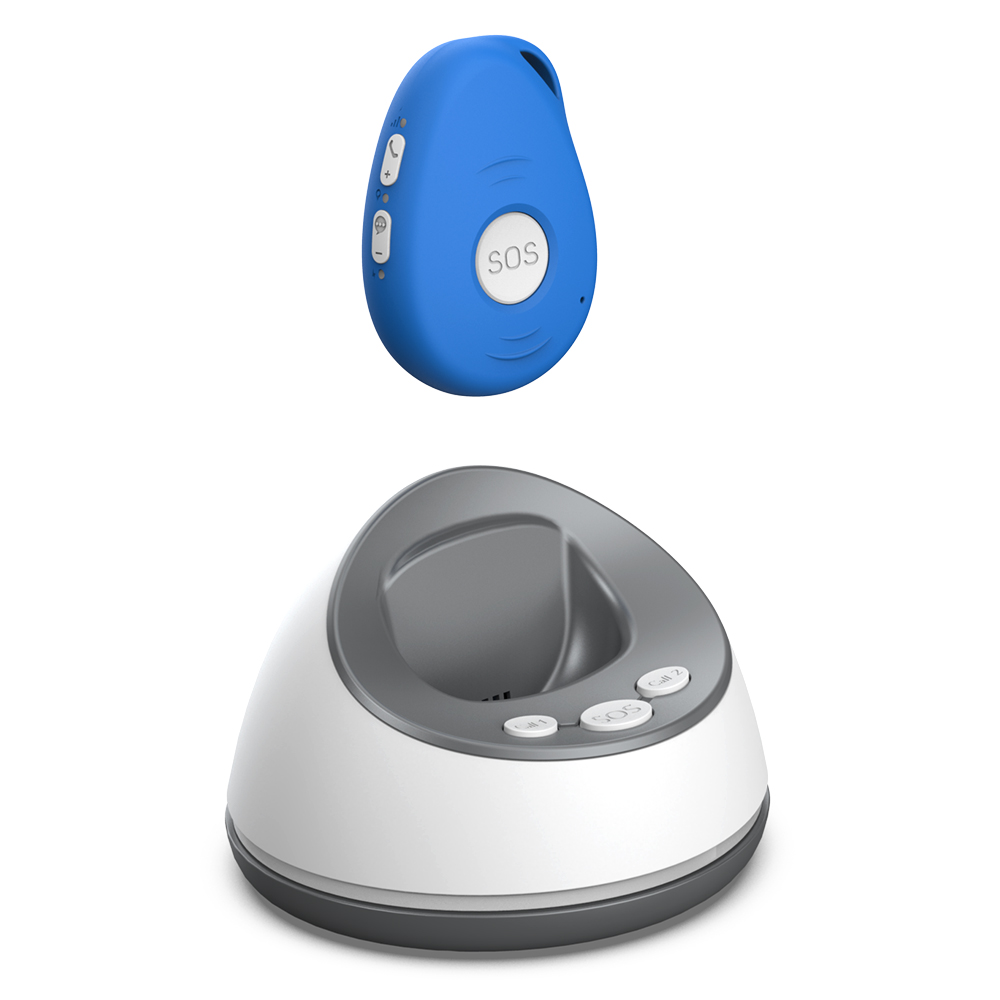
Battery life is an important consideration. Many GPS trackers need to be recharged every day or two, and a device with a dead battery is useless during a wandering event. Caregivers must build recharging into the daily routine, and some systems send a low-battery warning so that the device can be charged before it runs out. In a well-designed wandering response plan, the caregiver checks the battery level at a set time each day and keeps a backup charging cable or a second device ready.
Components of a wandering response plan
A wandering response plan typically has several parts. The first is the choice of device. GPS trackers for older adults come in many forms: some are worn on a wristband or lanyard, others clip to a belt or go inside a pocket. The device should be comfortable enough that the person will keep it on, and it should be durable enough to withstand everyday use. Some trackers are designed to look like ordinary watches or pendants, which can reduce the stigma of wearing a monitoring device.
The second part is the software or service that receives the location data. Most trackers work with a smartphone app or a web portal that shows the person's location on a map. The caregiver can set up the safe zone from within the app, choosing the size and shape of the boundary. When the person leaves the safe zone, the app sends a push notification, text message, or email. Some systems also allow multiple caregivers to receive the same alert, so that family members can coordinate their response.
The third part is the response procedure itself. This is a written or agreed-upon set of steps that the caregiver follows when an alert comes. A typical procedure might include:
- Check the real time location on the app and note the direction and distance from home.
- Call the older adult if the device has two-way calling, and try to keep them calm and still.
- Contact another family member or neighbour to help search, or call emergency services if the person is in a dangerous area such as near a road or water.
- Go to the last known location, using the app for guidance, and continue to update the person's position as they move.
The fourth part is training and practice. The caregiver and the older adult should both understand how the device works and what to expect. A short practice session once a week, where the caregiver simulates an alert and follows the procedure, can help ensure that the plan works under pressure. It also helps the caregiver become familiar with the app and its features.
Ethical and practical considerations
GPS tracking raises questions about privacy and autonomy. An older adult who is tracked around the clock may feel that their independence is being taken away. For this reason, it is important to involve the person in the decision to use a tracker, if they are able to understand and consent. When the person cannot consent, the family must weigh the benefits of safety against the loss of privacy, and they should use the tracker only as long as it is necessary.

Another consideration is the reliability of the technology. GPS signals can be weak indoors, in dense urban areas, or in rural locations with poor cellular coverage. Some trackers supplement GPS with Wi-Fi positioning, which can improve accuracy indoors. The caregiver should test the device in the places where the older adult spends time, and they should have a backup plan for when the tracker cannot get a signal. That backup plan might include a neighbourhood search or a call to a neighbour who can check the person's usual routes.
Wandering response planning for older adults with GPS tracking also depends on the caregiver's ability to respond quickly. If the caregiver lives far away, or if they are at work during the day, they may not be able to reach the older adult in time. In such cases, the plan should include a local contact who can respond, or the family may consider a professional monitoring service. Some GPS tracker providers offer a 24-hour response centre that can coordinate with emergency services when the caregiver cannot be reached.
Integration with other safety measures
GPS tracking is often used alongside other safety strategies. Door alarms, motion sensors, and bed alarms can alert the caregiver when the older adult gets up during the night. A simple lock on the door or a latch that is hard for the person to open can delay their exit, giving the caregiver more time to respond. These measures are not substitutes for a tracking device, but they work together to create a layered system of protection.
In some communities, local police or Alzheimer's associations offer a wandering response programme that registers the person's information in advance. If the person wanders and cannot be found quickly, the registered details help search teams locate them faster. A GPS tracker can feed into such a programme, providing live coordinates to the search team.
Caregivers should also be aware of the signs that a person is about to wander. Restlessness, pacing, repeated requests to go home, or trying to put on a coat at an unusual time may indicate that a wandering episode is about to happen. When the caregiver notices these signs, they can redirect the person to a calming activity or remind them that they are safe. This kind of early intervention can prevent the need for a full response.
Limitations and future directions
No technology is foolproof. GPS trackers can lose battery power, be removed by the older adult, or fail to send an alert because of a network outage. The caregiver should treat the tracker as a tool, not a guarantee. A wandering response plan must include steps for when the device is not working, such as a regular check-in call or a visit from a neighbour.

Newer devices are becoming smaller, more comfortable, and longer-lasting. Some trackers now use low-power wide-area networks that can extend battery life to weeks or months. Others incorporate artificial intelligence to learn the person's usual patterns and send an alert only when the behaviour is unusual. These advances may make GPS tracking more practical for long-term use.
For families in New Zealand and elsewhere, the availability of no-monthly-fee GPS trackers can reduce the cost barrier. A device that requires no ongoing subscription fee makes the technology accessible to more households, which in turn makes it possible for more older adults to remain in their own homes with a safety net. The combination of GPS tracking, fall detection, SOS alerts, and two-way calling in a single device simplifies the caregiver's task, giving them one tool that covers multiple aspects of safety.
A wandering response plan is not a one-time setup. It should be reviewed and updated as the older adult's condition changes, as the caregiver's situation changes, or as new technology becomes available. Regular review ensures that the plan remains effective and that the caregiver stays confident in their ability to respond. With careful planning and the right tools, families can reduce the risks associated with wandering while preserving the older adult's dignity and freedom as much as possible.
