Creating a Safe Indoor Garden: A Guide to Pet-Safe Plants
When I first started filling my apartment with houseplants, I didn't think twice about whether they might harm my cat. It wasn't until a friend mentioned that her dog had been rushed to the vet after chewing on a sago palm that I realized how serious the issue could be. That conversation sent me down a rabbit hole of research, and what I learned changed the way I think about indoor gardening entirely.
Many common houseplants are toxic to cats, dogs, and other pets. The ASPCA and the Pet Poison Helpline both maintain extensive lists of plants that can cause anything from mild mouth irritation to kidney failure or even death. But the good news is that you don't have to choose between a green home and a safe one. There are plenty of beautiful, resilient options that are genuinely pet-safe plants. The trick is knowing which ones to pick and how to care for them.
Why Pet Safety Matters More Than You Think
Dogs and cats explore the world with their mouths. Puppies especially will chew on leaves, dig in soil, and knock pots over. Even well-trained adult animals might nibble on a plant out of boredom or curiosity. The toxicity of a plant depends on the species, the part of the plant, and the amount ingested. Some plants cause only mild vomiting or drooling. Others, like true lilies, can cause fatal kidney damage in cats from just a few petals or even pollen that lands on their fur and gets licked off.
I once had a philodendron in my living room before I knew better. My cat took one bite of a leaf and spent the next hour pawing at her mouth because of the calcium oxalate crystals that cause intense burning and swelling. It was a scary afternoon that ended with a call to the vet and a frantic search for a safer alternative. That experience taught me that even "mildly toxic" plants can cause real distress for your pets.
The Best Pet-Safe Plants for Your Home
After that incident, I replaced my philodendron and pothos with species that pose no threat to my cat. The list of pet-safe plants is longer than most people realize, and many of them are just as easy to grow as their toxic counterparts. Here are some of my favorites, all confirmed safe by the ASPCA.
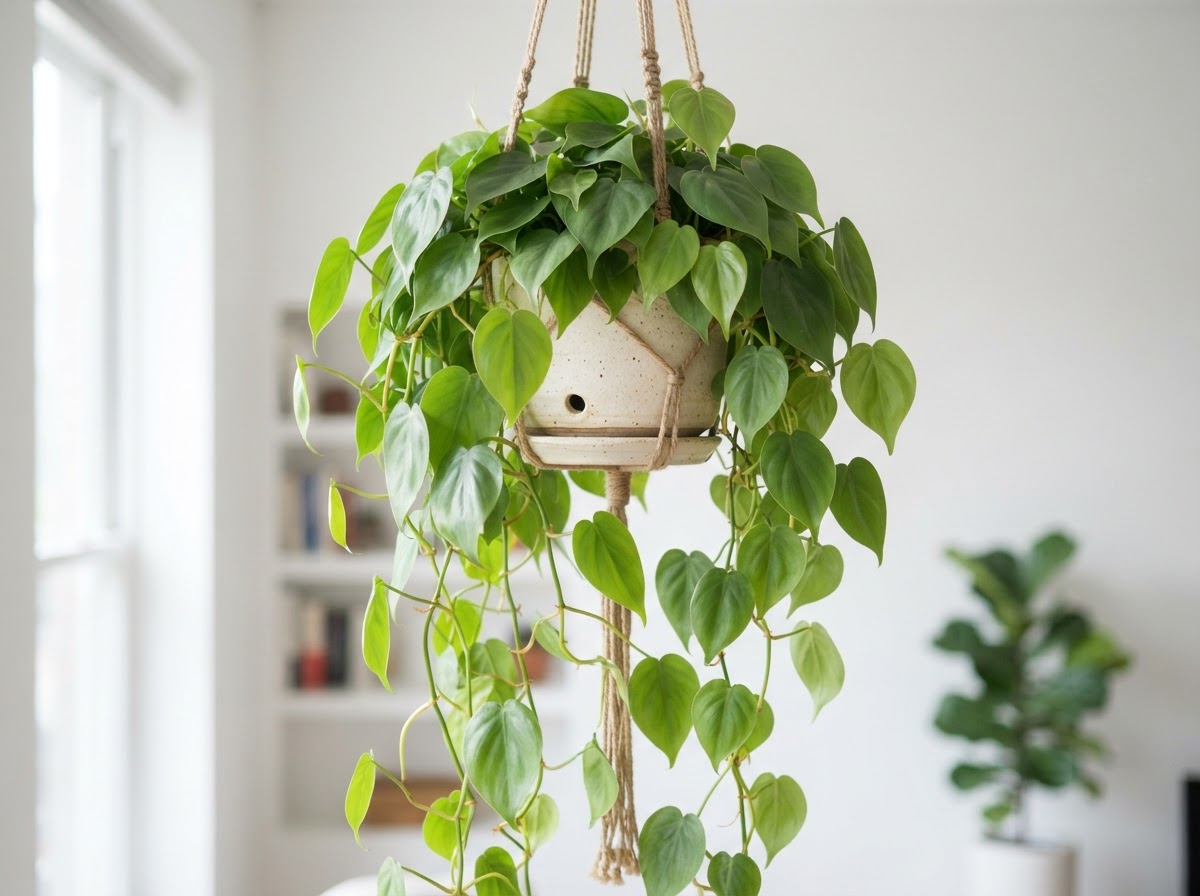
Spider Plant
The spider plant is practically indestructible. It thrives in low light, tolerates occasional neglect, and produces offsets that you can propagate into new plants. My cat loves to bat at the dangling leaves, and I never have to worry if she manages to bite one. It is one of the most forgiving plants for beginners and a staple in any pet-friendly home.
Boston Fern
Boston ferns add a soft, lush texture to any room. They prefer humidity and indirect light, making them ideal for bathrooms or kitchens. I keep one on a high shelf in my bathroom, and the fronds cascade down like green waterfalls. They are completely non-toxic, so even if your pet manages to pull a frond down for a taste, there is no danger.
Areca Palm
If you want a tall, dramatic statement plant without the risk, the areca palm is an excellent choice. It grows slowly and stays manageable indoors, and its feathery fronds are safe for cats and dogs. I have one in my living room corner, and it adds a tropical feel without any of the worry that comes with palms like the sago palm, which is highly toxic.
Calathea
Calatheas, sometimes called prayer plants, are famous for their striking leaf patterns and colors. They are also completely safe for pets. The only catch is that they are a bit fussy about water and humidity. I have a calathea orbifolia that I mist daily, and my cat has never shown any interest in it. But if she did, I would not have to panic.
Peperomia
Peperomias come in a huge variety of leaf shapes and textures, from rippled to smooth to watermelon-striped. They are compact, slow-growing, and perfectly safe. I have a peperomia obtusifolia on my desk that gets bright indirect light and only needs water when the soil dries out. It is a great choice for small spaces or desks where pets might wander.
Cast Iron Plant
True to its name, the cast iron plant can survive almost anything: low light, irregular watering, dry air, and even a curious pet. Its tough, dark green leaves are not appealing to most animals, but if they do take a nibble, it causes no harm. This is the plant I recommend to people who say they kill everything they touch.
Prayer Plant
Close relatives of calatheas, prayer plants (Maranta leuconeura) have leaves that fold up at night as if in prayer. They are non-toxic and relatively easy to grow if you keep the soil consistently moist and give them indirect light. I have one in my bedroom, and watching its leaves move throughout the day is a quiet pleasure.

Herbs: The Edible Pet-Safe Option
If you want plants that serve double duty as food and decoration, herbs are a fantastic choice. Most culinary herbs are safe for pets, though it is always worth double-checking individual species. Parsley, basil, rosemary, thyme, and dill are all perfectly fine to grow indoors around cats and dogs. I keep a pot of basil on my kitchen windowsill and a rosemary plant on the counter. My cat ignores them, but if she did sneak a taste, it would not hurt her.
Growing herbs also gives you fresh ingredients for cooking, which is a nice bonus. Just be careful with the amount of parsley you feed a pet, as very large quantities can cause issues in some animals. But for casual nibbling, it is safe.
Plants to Avoid at All Costs
Knowing which plants are safe is only half the picture. You also need to recognize the common toxic plants that might already be in your home or that you might be tempted to buy. The sago palm is one of the most dangerous. Every part of it is toxic, and ingestion can cause liver failure in dogs and cats. I have seen too many emergency vet visits from people who did not realize how deadly this plant is.
True lilies (Lilium species) are another major threat, especially to cats. Even a small amount of pollen can cause severe kidney damage. If you have cats, do not bring lilies into your home at all. Other common toxic plants include philodendron, pothos, aloe vera, and snake plant. Aloe vera is a tricky one because people often assume it is safe since it is used on human skin. But it is actually moderately toxic to cats and dogs and can cause vomiting, diarrhea, and lethargy if ingested. Snake plants are also toxic, causing nausea and diarrhea in pets.
The Pet Poison Helpline gets thousands of calls every year about plant poisonings. The best way to avoid becoming a statistic is to research every plant before you bring it home. The ASPCA website has a comprehensive list of toxic and non-toxic plants, and it is worth bookmarking.
How to Create a Pet-Proof Indoor Garden
Even with pet-safe plants, you still need to think about placement and soil. Some pets will dig in potting soil, which can cause gastrointestinal blockions if they eat it. I use a layer of pebbles or decorative stones on top of the soil to discourage digging. I also keep plants on high shelves or in hanging planters if my cat shows too much interest. But because I have chosen pet-safe plants, I do not have to worry if she manages to reach them anyway.
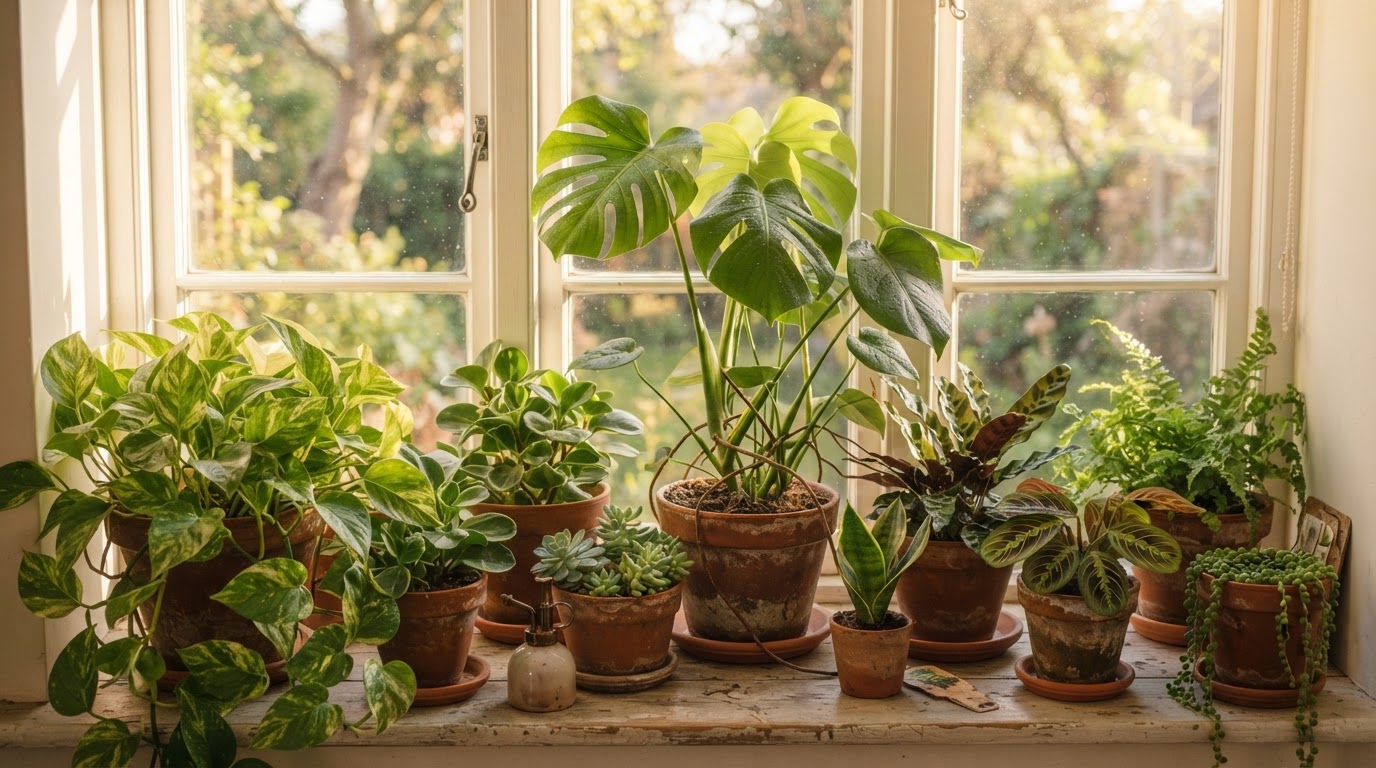
Another practical tip is to avoid using chemical pesticides or fertilizers that could be harmful if licked or chewed. Stick to organic options or simply wipe leaves with a damp cloth to keep them clean. And always provide your pet with plenty of safe toys and scratching posts so they are less tempted to treat your plants as entertainment.
Final Thoughts
Creating a home full of greenery does not have to mean compromising your pet's safety. With a little planning and the right plant choices, you can enjoy all the benefits of indoor gardening without the worry. Whether you choose a spider plant, a Boston fern, or a collection of herbs, the key is to stick with confirmed pet-safe plants and keep the toxic ones out of your home entirely. Your pets will thank you, and your home will still feel like a lush, living sanctuary.
If you ever have a question about a specific plant, the Pet Poison Helpline and the ASPCA are excellent resources. And if you are unsure about a plant you already own, it is better to move it to a room your pet cannot access until you confirm its safety. A little caution goes a long way toward keeping your furry friends healthy and happy.
