Choosing the Right Medical Alarms NZ: What Families Need to Know
Why a Medical Alarm Matters More Than You Think
It is easy to assume that a medical alarm is only for the very old or the very frail. But the truth is that anyone who lives alone, has a chronic condition, or simply wants a little extra peace of mind can benefit. My neighbour, who is in his early sixties but has a heart condition, wears his pendant whenever he goes out into the garden. He says it is not about being scared, it is about being sensible. And that is really the point. A medical alarm is a tool that lets someone maintain their independence without their family worrying every time they cannot reach the phone.
The technology has moved on a lot. Many of the best medical alarms NZ now come with fall detection, GPS tracking, and two-way voice communication. Some are even designed to be worn as a wristband or a small clip that looks like a fitness tracker. That matters because if the device looks too medical, some people simply refuse to wear it. I have seen that happen. My aunt would not wear her pendant because she said it made her feel like a patient. So finding something that fits a person's style and comfort is just as important as the technical specs.
What to Look for in a Medical Alarm
There are a few key features that separate a good medical alarm from a great one. Here is a short list based on what I think matters most:
- Fall detection - This is the feature that can make the biggest difference. If someone falls and cannot press the button, the device should detect the fall automatically and raise the alarm. It is not perfect technology, but the latest generation is very reliable.
- Battery life and charging - Look for a device that lasts at least a few days on a single charge. Some models use a rechargeable battery that you top up every week or so. Others use standard coin cells that last months. Think about what will be easiest for the user to manage.
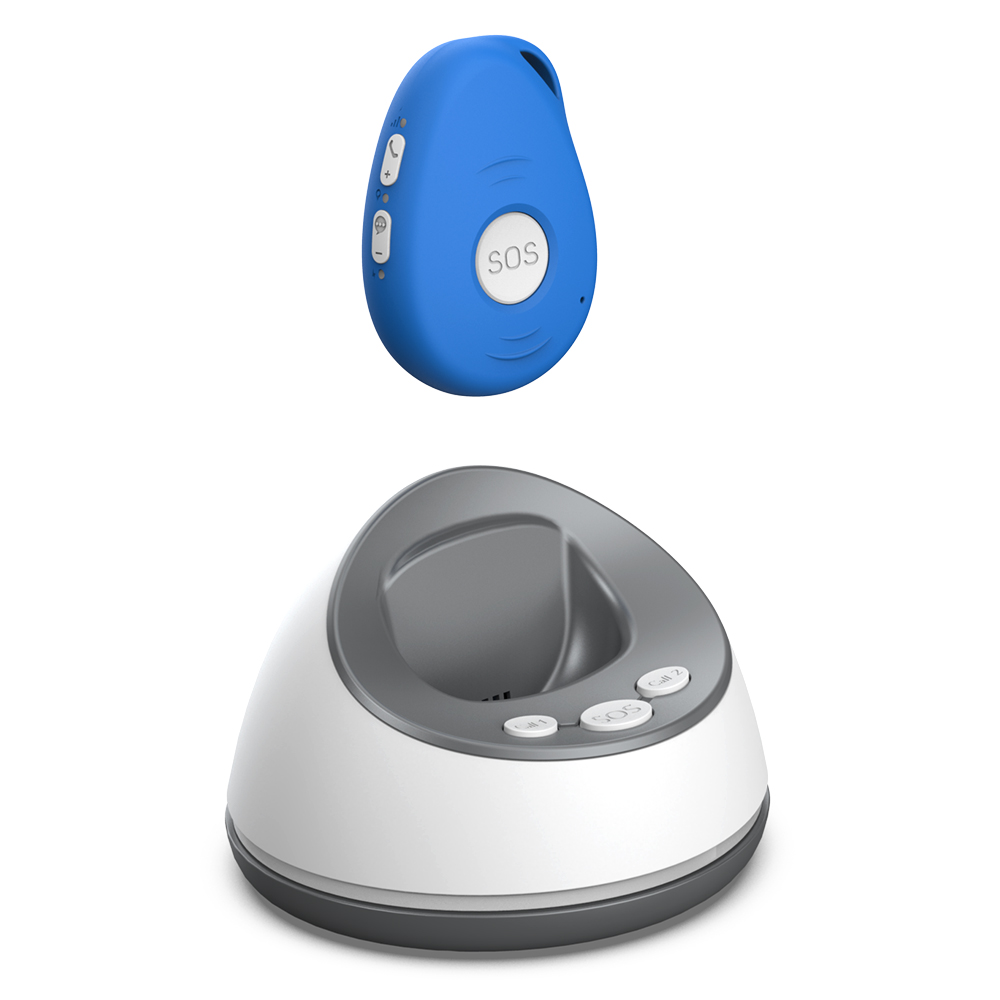
- Range and connectivity - Some alarms work only inside the home, using a base station that connects to the phone line. Others use cellular or GPS networks and work anywhere. If the person is active and goes out, a mobile option is worth the extra cost.
- Monitoring service - Who answers when the alarm is pressed? Some services use a dedicated call centre with trained operators. Others are self-monitored and send alerts to family members. There is no right answer, but you need to know which model you are signing up for.
- Ease of use - The button should be large enough to press with a shaking hand, and the voice communication should be clear. If the setup is complicated, the person may not use it properly.
I remember reading reviews from someone whose father had a medical alarm that required him to press a small button on the base station to cancel a false alarm. He could never remember where it was. That kind of design flaw can undermine the whole system. So test the device yourself before you commit.
How Medical Alarms NZ Stack Up Against Each Other
The New Zealand market has a handful of strong providers, but they differ in important ways. Some are local companies that offer 24/7 monitoring from a centre in Auckland or Christchurch. Others are international brands that have been adapted for our phone networks and emergency services. I have looked at both types, and there are trade-offs either way.

Local providers tend to have faster response times because the call centre staff know the local geography and can dispatch help more quickly. They also understand the quirks of New Zealand's health system. One provider I spoke with told me that their operators are trained to ask specific questions that help ambulance dispatchers prioritise the call. That kind of detail can save minutes in an emergency. On the other hand, international brands sometimes have more advanced fall detection technology because they have been doing it longer and have more data to train their algorithms.
Another thing to consider is the contract. Some providers lock you into a 12-month plan, while others offer month-to-month options. If you are trying out a device for the first time, a shorter commitment gives you room to change your mind. I know someone who signed a long contract only to discover that the device did not work well in their rural home because the cellular coverage was patchy. That is a costly mistake.
Cost and Value: What You Are Actually Paying For
Pricing for medical alarms NZ varies quite a bit. You can find basic models for around $20 to $30 a month, and more advanced ones with GPS and fall detection for $40 to $60 a month. There is usually an upfront cost for the device itself, though some providers waive that if you sign a longer contract.
When I was comparing options for my grandmother, I made a spreadsheet of the monthly fees, the contract lengths, and any hidden charges like cancellation fees or extra costs for the SIM card. It took a couple of hours, but it saved us from making a bad choice. One provider had a very low monthly fee but charged $150 to cancel early. Another had a higher fee but no lock-in contract. We went with the latter, and it was the right call because after six months my grandmother decided she preferred a different model. We swapped without penalty.
It is also worth checking whether your health insurance or local DHB offers any subsidy. Some district health boards in New Zealand provide funding for medical alarms if the person meets certain criteria. It is not widely advertised, but it is worth asking about.
Practical Tips for Setting Up and Using the Alarm
Once you have chosen a device, the real work begins. Here are a few things I wish someone had told me:
- Put the base station in a central location where it can hear the pendant clearly. Avoid placing it near thick walls, metal appliances, or in a cupboard.
- Test the system weekly. Most providers offer a test button. Use it. A device that has not been tested is a device you cannot trust.
- Make sure the person wearing the alarm knows how to use it. That sounds obvious, but I have heard stories of people pressing the button and then forgetting to speak into the speaker because they were nervous.
- Set up a list of emergency contacts that the monitoring centre can call. Include neighbours, family members, and the local doctor if possible.
- If the device has GPS, keep the location services turned on. Some people disable them to save battery, but that defeats the purpose of having a mobile alarm.
My grandmother now wears her pendant every day. She still forgets to charge it sometimes, but the low-battery alert on the base station reminds her. That small feature has saved us from having a dead device more times than I care to count.
Making the Decision That Fits Your Family
Choosing a medical alarm is not just about comparing specs and prices. It is about understanding the person who will wear it and the life they want to live. Some people want a device that stays out of sight and only comes into play in an emergency. Others want something that makes them feel connected and safe. There is no universal best choice, only the right choice for your situation.

If you are just starting to look into medical alarms NZ, I would recommend talking to a few providers directly. Ask about their response times, their fall detection accuracy, and whether they have any hidden fees. If possible, ask for a trial period. Many companies will send you a device to test for a week or two. Use that time to see how it feels in daily life. Does the person remember to put it on? Is the voice communication clear? Does the fall detection ever trigger accidentally? Those real-world tests are worth more than any brochure.
At the end of the day, a medical alarm is a tool that gives everyone a little more freedom. The wearer gets to stay in their own home longer, and the family gets to worry a bit less. That is a trade-off worth making.
