Arrival notifications in memory care tracking
Arrival notifications in memory care tracking are automated alerts that inform a caregiver when a person with dementia or memory loss reaches a destination. These notifications are a feature of location-based monitoring systems, often built into wearable devices or mobile applications. The purpose of such alerts is to reduce the uncertainty that caregivers experience when the person they support is away from home, travelling to a day programme, a relative's house, or a routine appointment. By confirming arrival without requiring a phone call or manual check-in, the system provides a layer of reassurance that does not depend on the person remembering to communicate.
Memory care tracking refers to the use of location technology to support people who have difficulty navigating or remembering their plans. The tracker typically uses GPS or Wi-Fi triangulation to determine the wearer's position. An arrival notification is triggered when the device enters a predefined geographic boundary, known as a geofence, around a location such as a home, a care facility, or a community centre. The alert is sent to a caregiver's smartphone, email, or dashboard, often accompanied by the time and the address of the arrival. The system runs automatically, so the caregiver does not have to initiate a check or wait for a call that may not come.
The value of these notifications lies in the reduction of worry. Caregivers of people with memory loss often report that the most stressful part of the day is the period when the person is en route to or from an activity. Without confirmation of arrival, the caregiver may imagine delays, wrong turns, or confusion. A simple digital signal that the person has arrived safely replaces that uncertainty with a quiet piece of knowledge. The caregiver can then continue with their own day without the mental burden of wondering.
How arrival notifications work
Arrival notifications depend on a combination of hardware and software. The person being tracked wears a device that can determine its location. Many devices use GPS satellites to calculate position, though in dense urban areas or indoors the signal may be supplemented by Wi-Fi positioning or cellular tower triangulation. The device communicates its location at regular intervals to a cloud-based platform. The caregiver or family member sets up a geofence around the destination, usually by drawing a circle of a chosen radius on a map in the platform's interface. When the device's location enters that circle for a sustained period, the platform triggers an alert.

The alert itself can take several forms. A text message is the most common because it works on any mobile phone without needing a data connection. Some platforms also send an email or push notification through a dedicated app. The message typically includes the name of the person, the location detected, and the time of arrival. Some systems allow the caregiver to see a live map view of the journey, though that is a separate feature from the arrival alert. The arrival notification is designed to be the final confirmation that the trip is complete.
Privacy and consent are important considerations when using such tracking. In New Zealand, as in many jurisdictions, the use of a tracker on an adult who can make their own decisions requires their informed agreement. For a person with dementia, capacity may fluctuate, and the care plan should document the consent process. The family or legal guardian typically works with the person to explain that the device is a tool for safety, not surveillance. Some devices have a simple button or switch that the wearer can use to pause location sharing if they wish. Transparency about how location data is stored, who can access it, and how long it is kept helps maintain trust.
Types of arrival notification systems
Arrival notifications can be categorised by the technology they use and by the type of device the person carries. The main kinds are described below.
- GPS-based wearables. These are wristbands, pendants, or clip-on devices that contain a GPS receiver and a cellular or satellite transmitter. They work outdoors and in many vehicles, and they can provide arrival notifications to any pre-set location. Battery life varies from one to several days depending on how often the device reports its position.
- Wi-Fi or Bluetooth beacons. These systems use the person's smartphone or a dedicated tag that communicates with fixed beacons placed at the destination. When the tag comes within range of a beacon, the system registers an arrival. These are often used indoors where GPS is unreliable, such as in a large care facility or a hospital.
- Smartphone apps. If the person carries a smartphone, a background app can use the phone's built-in GPS and cellular connectivity to provide arrival alerts. This approach avoids an extra device but requires the person to keep the phone charged and with them.
Each type has trade-offs. GPS wearables offer wide coverage but need regular charging. Beacon systems offer precise indoor location but require the destination to have the necessary infrastructure. Smartphone apps are convenient for people who already use a phone, but they are less suitable for someone who may leave the phone behind or struggle to use a touchscreen.
Role in a memory care plan
Arrival notifications are one component of a broader memory care plan. The plan typically includes routine, medication management, and strategies for handling confusion or wandering. The notification system supports the routine by providing a reliable signal that the person has followed the planned schedule. If the alert does not come when expected, the caregiver can investigate quickly, reducing the time the person might be lost or distressed.

For families using a service such as the one offered by Familyr in New Zealand, the arrival notification works alongside other features like SOS alerts, fall detection, and two-way calling. Together these tools form a safety net that allows the person with memory loss to maintain independence while the caregiver has a way to stay informed. The arrival alert is particularly valued for daily trips that repeat, such as going to a day centre or a friend's house. Once the geofence is set, the alert arrives automatically, and the caregiver does not need to remember to check in.
The use of gps tracking for elderly people who have memory loss has grown as the technology has become more affordable and easier to use. Families no longer need to rely solely on phone calls or on the person's own report of where they have been. The arrival notification provides objective, timely information that reduces guesswork. It also reduces the number of check-in phone calls the caregiver must make, which can feel intrusive to the person being tracked.
Limitations and considerations
No system is perfect. GPS signals can be lost in tunnels, inside large buildings, or in areas with heavy tree cover. A person may arrive at the destination but the device may not register the arrival if it cannot acquire a satellite lock. Some systems allow a delay before triggering the alert to account for brief signal loss. Caregivers should be aware of the coverage area of the device they choose and test it at the locations they use most often.
Battery life is another practical factor. A device that runs out of power in the middle of a journey will not send an arrival notification. Many wearable trackers give a low-battery warning, but that warning depends on the caregiver noticing it. The person being tracked may not realise the device is off. A routine of charging the device at night or during a known downtime can help prevent missed alerts.
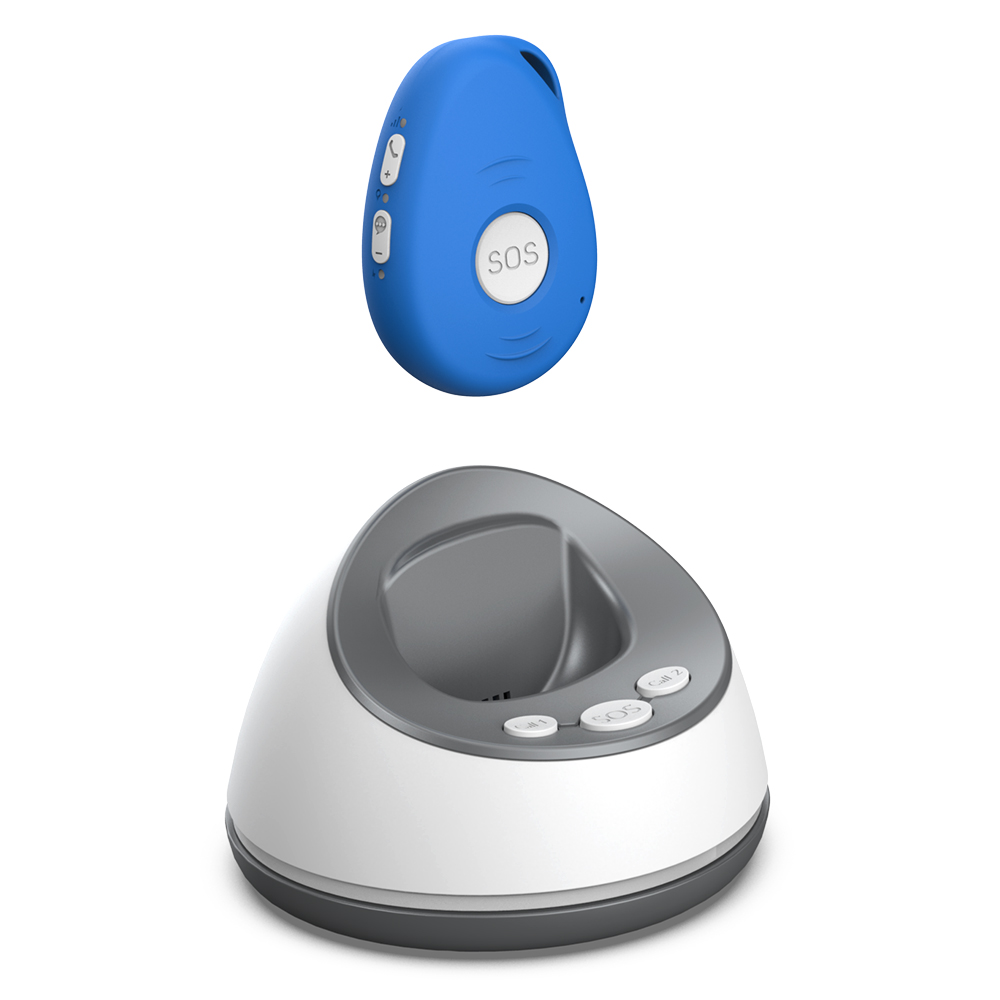
The emotional effect on the person wearing the device also matters. Some individuals feel that being tracked is infantilising or that it signals a loss of trust. Explaining the device as a tool for safety and independence, and involving the person in setting up the geofences and alerts, can reduce that feeling. The goal is to support the person's freedom to move around without requiring constant human oversight.
In summary, arrival notifications for memory care tracking are a practical application of gps tracking for elderly people who need support with memory loss. They give caregivers a quiet signal that a journey has ended safely, reducing the worry that comes from not knowing. The technology is not a replacement for human care, but it is a tool that can make the caregiving role more sustainable. By providing simple, reliable information, it allows both the person with memory loss and their family to go about their day with more confidence.
