Website redesign objectives for modern businesses
Website redesign is the process of updating or rebuilding an existing website to improve its performance, appearance, and functionality. For a modern business, a redesign typically aims to address evolving user expectations, technological changes, and strategic goals. The objectives that guide such a project range from improving user experience and site speed to strengthening brand identity and increasing conversions. A well-planned redesign considers content, navigation, layout, and technical infrastructure, and it often involves a content audit to identify what should be kept, revised, or removed.
Redesigning a website is not the same as a simple visual refresh. While a new look may be part of the project, the deeper purpose is to align the site with current best practices and the needs of its audience. A modern business website redesign objectives process typically starts with a clear definition of what the business wants to achieve. Common goals include reducing bounce rates, improving mobile usability, and making it easier for visitors to find information or complete a purchase. Without defined objectives, a redesign can become a cosmetic exercise that fails to address underlying issues.
User experience and site navigation
One of the primary objectives of a redesign is to improve user experience. This involves evaluating how visitors interact with the site and identifying pain points. Site navigation is a central part of this. If users cannot find what they need quickly, they may leave and go to a competitor. During a redesign, navigation structures are often simplified, menus are reorganized, and search functions are improved. The goal is to reduce the number of clicks needed to reach key pages and to make the path from entry to action as smooth as possible.
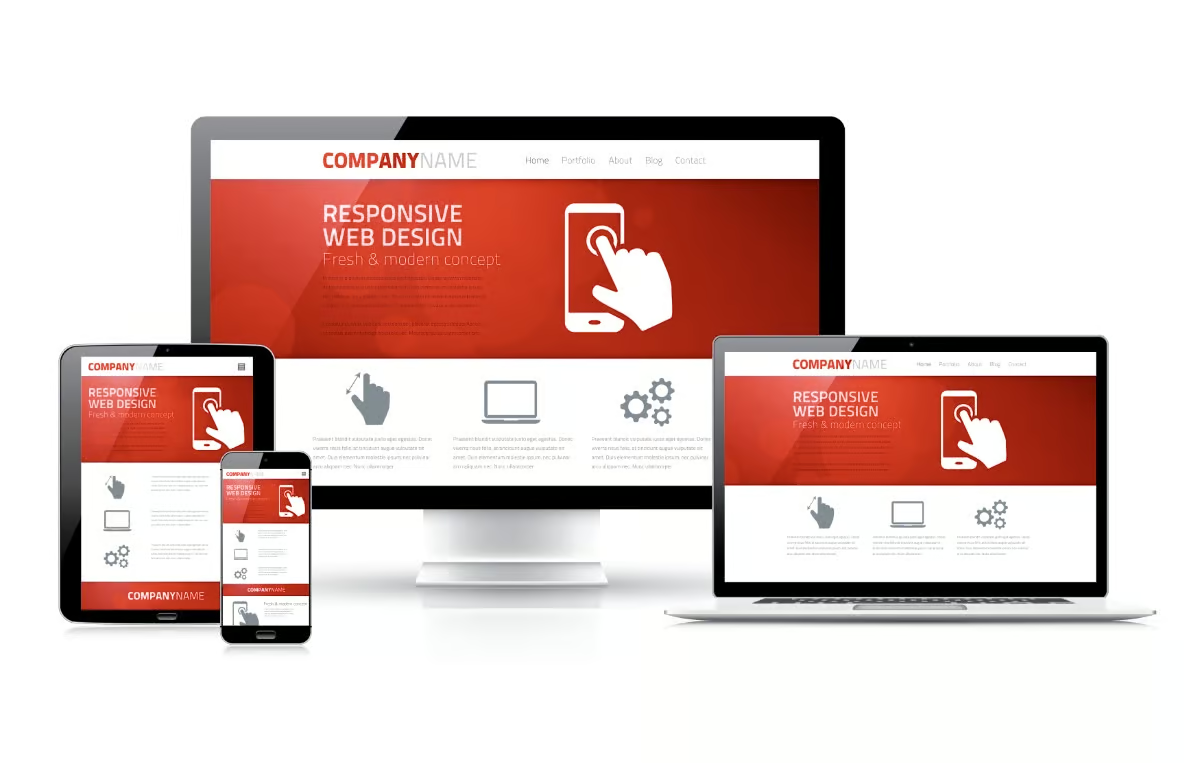
Page layout also plays a significant role in user experience. Modern designs favor clean, uncluttered layouts with clear visual hierarchies. Content is organized so that the most important information appears first, and calls to action are placed where users naturally look. Responsive design is standard, meaning the layout adjusts to fit different screen sizes, from desktop monitors to smartphones. A redesign that neglects mobile users risks alienating a large portion of the audience.

Content audit and information architecture
A redesign is an opportunity to review the site's content. A content audit involves cataloging every page, post, image, and document on the existing site and assessing its quality, relevance, and performance. Outdated or duplicate content can be removed, and underperforming pages can be rewritten or merged. This process also helps identify gaps where new content is needed.
Information architecture refers to how content is structured and labeled. During a redesign, categories and tags may be reorganized to make the site more intuitive. For example, a business that offers multiple services might group related services under broader headings rather than listing them all on separate pages. Good information architecture helps both users and search engines understand the site's structure.
One important step in a redesign is checking for broken links. These are links that lead to pages that no longer exist or have been moved. Broken links create a poor user experience and can hurt search rankings. A website migration plan is often created to ensure that URLs are properly redirected when pages are moved or deleted. This prevents visitors from landing on error pages and preserves the site's search engine authority.
The phrase "Modern business website redesign objectives" appears here as a reminder that these goals must be concrete and measurable. Without specific targets, a redesign may drift and fail to deliver lasting improvements. Objectives such as reducing page load time by a certain percentage or increasing the conversion rate on a key page give the team a clear direction and a way to measure success.
Technology and content management
Another objective is to update the technology behind the site. Older websites may run on outdated platforms or custom code that is difficult to maintain. A redesign often involves migrating to a modern content management system (CMS) that makes it easier for non-technical staff to update pages, add blog posts, and manage media files. A good CMS also provides security updates and plugins that extend functionality.
Website security is a growing concern for businesses. A redesign can address vulnerabilities by implementing secure connections (HTTPS), updating software, and adding features such as two-factor authentication. For sites that handle customer data, compliance with privacy regulations may also be a driving objective.
Performance is another technical concern. Slow loading times frustrate users and can lead to higher bounce rates. During a redesign, images are often compressed, code is minified, and caching is implemented to speed up the site. Server infrastructure may also be upgraded to handle traffic spikes.
Branding and visual identity
A redesign can refresh or reinforce a business's brand. Colors, typography, and imagery are updated to reflect the current brand guidelines. Consistency across all pages builds trust and recognition. However, branding objectives should be balanced with usability. A visually striking design that confuses users or slows down the site can harm the business rather than help it.
The redesign process also considers how the site appears in search engine results. Search engine optimization (SEO) is not a separate task but an integral part of the project. Page titles, meta descriptions, heading tags, and alt text for images are all reviewed and improved. The site's URL structure may be changed to be more descriptive, and redirects are set up to avoid broken links.
Modern business website redesign objectives often include improving the site's ability to convert visitors into customers or leads. This might involve adding prominent call-to-action buttons, simplifying forms, or creating dedicated landing pages for specific campaigns. The design is guided by data from the existing site, such as heatmaps and analytics, which show where users click and where they drop off.

Planning and execution
A redesign project typically follows a structured process. It begins with research and goal setting, moves into design and development, and ends with testing and launch. Stakeholders from different departments, such as marketing, sales, and IT, are often involved to ensure the new site meets the needs of the whole business. Prototypes and wireframes are created to test layouts before full development begins.
Testing is a critical phase. The new site is checked on various browsers and devices, and usability tests are conducted with real users. Performance benchmarks are measured against the old site. Any issues found are fixed before the site goes live. After launch, the site is monitored closely for a period to ensure everything works as expected and that the objectives are being met.
