Notebook sizes
A notebook size is the physical dimension of a bound blank book, typically measured in millimetres or inches. The most common formats are A5, A6, B5 and pocket sizes, each suited to different writing habits, portability requirements and page-count preferences. Notebook size selection for work and home use depends on the intended carrying method, the volume of writing, and whether the notebook will sit on a desk or travel in a bag.
Wider or taller notebooks offer more writing area per page but weigh more and take up more space. Smaller notebooks are lighter and slip into pockets or small pouches but may require frequent page turns. The choice between them affects how a person writes, organises notes and stores completed volumes.
Common notebook dimensions
The A series of paper sizes, defined by the international standard ISO 216, provides the most widely recognised notebook formats. A5 (148 x 210 mm) is a popular middle ground, large enough for sustained writing yet small enough to fit in many bags. A6 (105 x 148 mm) is a compact size often used for pocket notebooks, diaries or quick lists. B5 (176 x 250 mm) offers a larger canvas and is common in academic or office settings where note-taking involves diagrams or extensive text.
Other sizes include A4 (210 x 297 mm), which is the size of standard printer paper and is typically used in ring binders rather than bound notebooks, and smaller formats such as A7 (74 x 105 mm) or the so-called passport size (89 x 127 mm). Many manufacturers also produce proprietary sizes that do not conform to any standard, but the A and B series remain the most consistent reference points.
Softcover versus hardcover
The cover material affects both the notebook's durability and its weight. Softcover notebooks, often made with flexible card or PU leather, are lighter and can be rolled up or stuffed into crowded bags. They tend to lie flat when opened and are easier to hold in one hand. Hardcover notebooks have rigid boards beneath the covering material, offering better protection for the pages inside and a firmer writing surface. The trade-off is extra weight and bulk, which can be noticeable when carrying the notebook daily.
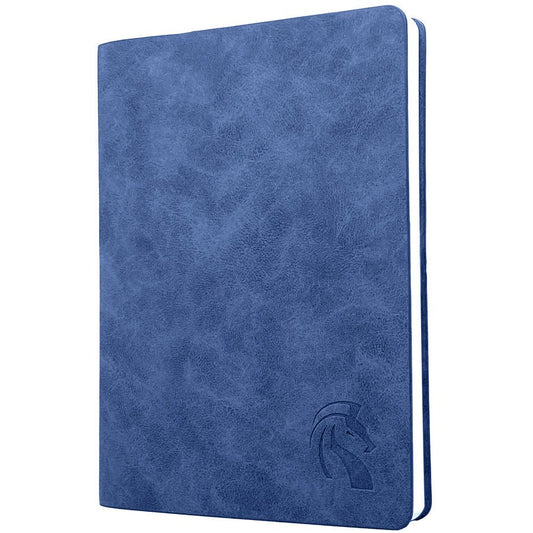
PU leather is a synthetic material that mimics the look and feel of genuine leather while being more affordable and easier to clean. It is commonly used on softcover notebooks and some hardcover models. The material does not crack as readily as some natural leathers and can be produced in a range of colours and textures.
Portability and carrying methods
How a notebook is carried influences the size that works best. A notebook that stays on a desk can be larger and heavier, because it does not need to fit into a pocket or a small bag. One that goes to meetings, coffee shops or between home and a workplace needs to fit in a bag without displacing other items. An A5 notebook fits comfortably in most shoulder bags, backpacks and large handbags. A6 notebooks fit in jacket pockets, trouser pockets (depending on the cut) and small pouches. B5 notebooks are larger and may require a dedicated bag compartment or a larger bag overall.
For someone who moves between different locations during the day, portability often becomes the deciding factor. A notebook that is too large to carry regularly may end up left at home, reducing its usefulness. Notebook size selection for work and home use involves finding a balance between the writing area needed and the willingness to carry the notebook throughout the day.
Binding types and page count
The binding method determines how many pages a notebook can hold and how it opens. Common bindings include sewn binding, where signatures of pages are sewn together with thread; glued binding, where the pages are attached to the spine with adhesive; and spiral or wire binding, used in notepads and exercise books. Sewn binding allows a notebook to open flat and usually lasts longer, especially in thicker volumes. Glued binding is less expensive but may crack or lose pages with heavy use, particularly in notebooks with many pages.
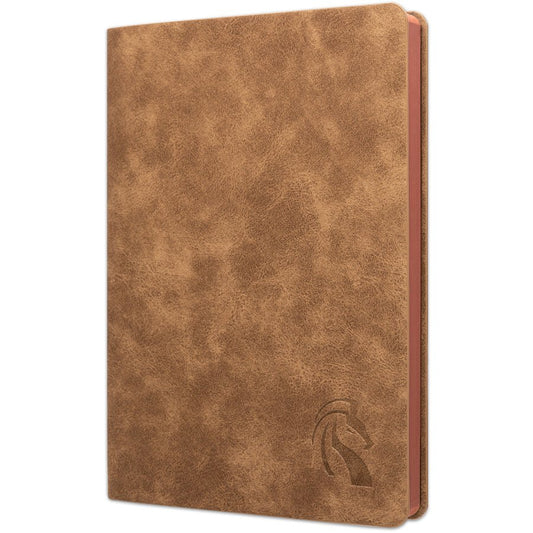
Page count is linked to both binding and size. A slim notebook (fewer than 80 pages) is easy to carry and finish quickly, making it suitable for short-term projects or single topics. A thicker notebook (200 pages or more) holds more content but adds weight and may not open flat unless it uses a sewn binding that allows the spine to flex. Some users prefer a single thick notebook for an entire year or project, while others like several smaller notebooks for different subjects.
Cover durability
A notebook that travels frequently needs a cover that resists scuffs, moisture and bending. Hardcovers provide the most protection, especially if the notebook is packed in a bag with other items. Softcovers are more vulnerable to corner damage and creasing but are much lighter. Some notebooks come with an elastic band or a bookmark sewn into the spine, but these features do not affect the basic durability of the cover itself.
PU leather offers a surface that wipes clean and does not absorb water readily. It is less likely to show marks than fabric or paper covers. The material also adds a slight grip, which can help when holding the notebook.
Uses across work and home
The intended use of a notebook often determines the preferred size. At a desk, a larger notebook such as B5 or A4 provides ample space for brainstorming, writing long entries or drawing diagrams. In a meeting or lecture, an A5 notebook is easier to pass around and does not dominate the table space. For a quick shopping list or phone message, a pocket-sized notebook is the most convenient.
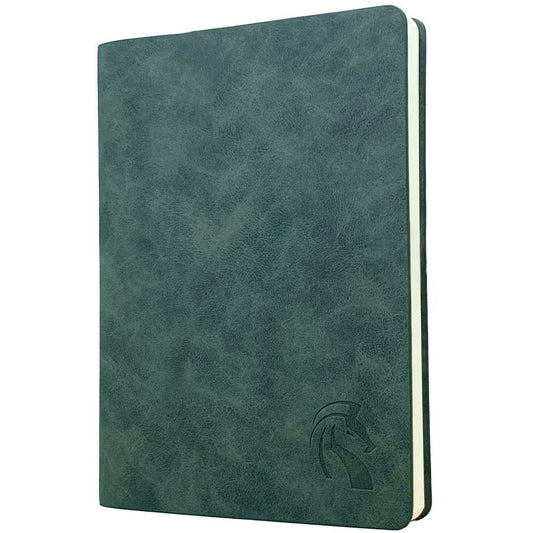
Home use may include journaling, recipe notes, reading logs or creative writing. These activities benefit from a size that encourages regular writing without feeling cramped. Work use may involve project notes, daily tasks, client records or technical sketches. A notebook that fits the workflow and can be stored with related materials becomes a practical tool rather than an extra item to carry.
Some people keep two notebooks: one for the desk and one for travel. Others use a single notebook that goes everywhere. Neither approach is inherently better; each suits a different combination of writing volume, portability and organisation style.
