When Your Commercial Coffee Machine Needs Repair: A Practical Guide
A busy cafe or restaurant kitchen runs on rhythm. The morning rush, the lunch service, the steady stream of takeaway cups. At the centre of that rhythm sits the espresso machine. When it stops working properly, the whole operation stumbles. A broken steam wand or a temperature fluctuation during peak hours can turn a profitable morning into a frustrated queue and wasted milk.
I have spent years working with these machines in Sheffield and across South Yorkshire, and I know that the difference between a quick fix and a drawn-out breakdown often comes down to how you handle the first signs of trouble. This article is about recognising those signs, understanding what happens inside the machine, and knowing when to call in someone who does commercial coffee machine repair for a living.
Why Repairs Are Different for Commercial Machines
A domestic espresso machine and a commercial one share a basic principle - push hot water through ground coffee under pressure - but the resemblance stops there. Commercial machines from brands like La Marzocco, Nuova Simonelli, or Rancilio are built to produce hundreds of shots a day. Their boilers are larger, their group heads more robust, and their plumbing connections permanent. When something goes wrong, the consequences are more severe than a missed morning espresso at home.
A failing pump on a commercial machine might deliver inconsistent pressure, which ruins extraction and slows service. A leaking boiler can damage surrounding equipment and create a safety hazard. And because these machines are often plumbed into a water filter system, a problem with the filter can affect every drink you serve. This is where professional commercial coffee machine repair becomes essential. It is not just about replacing a part. It is about understanding how each component interacts under continuous use.
Common Failures and What They Mean
Over the years I have seen certain problems repeat across different makes and models. Some are simple to diagnose, others require digging into the machine's guts. Here are a few of the most common issues and what they usually indicate.
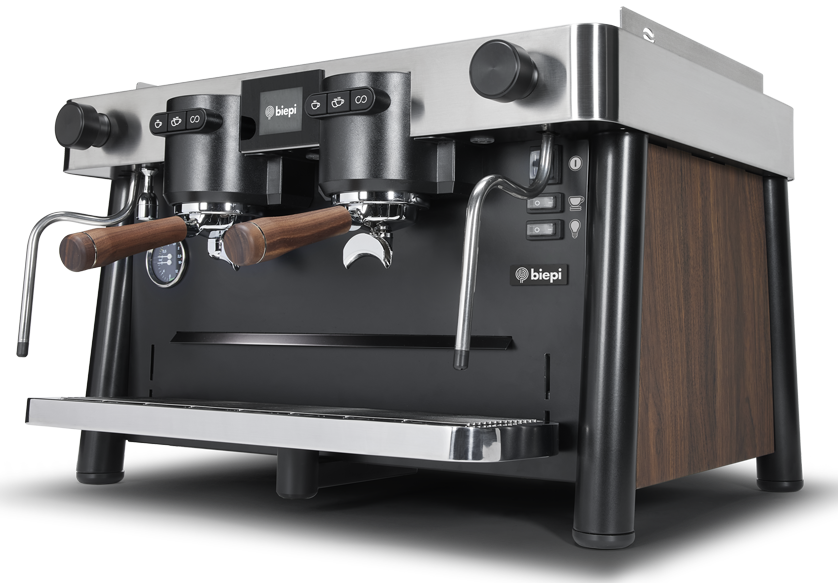
Steam Wand Problems
A steam wand that sputters or fails to produce dry steam is often the first sign of scale buildup or a worn valve. In a busy commercial kitchen, the steam wand gets used constantly, and mineral deposits from the water can clog the narrow tip. Sometimes the issue is a worn seal inside the valve assembly. A quick descaling might help, but if the problem persists, the valve may need replacement. Machines from brands like Astoria or Bezzera use slightly different valve designs, so knowing the exact model matters.
Temperature Instability
An espresso machine that cannot hold its temperature will produce inconsistent shots. This can be caused by a failing thermostat, a faulty heating element, or air in the boiler. On older machines like a Faema or a Pavoni, the boiler might simply be scaled up enough to insulate the heating element from the water, causing it to overheat in one spot. In modern machines with electronic temperature control, the issue could be a sensor failure. Either way, a barista cannot compensate for a machine that drifts by five degrees between shots.
Pump and Pressure Issues
The pump is the heart of the machine. If the pressure gauge reads low or the water flow is weak, the pump might be failing, or there could be a blockage in the line. Machines from Sanremo and Victoria Arduino often have rotary vane pumps that can be rebuilt, while others use vibration pumps that usually need replacement. A pressure problem can also come from a clogged water filter or a partially closed supply valve. Checking the filter and the water supply is always the first step before assuming the pump is dead.
Leaks
A leak might appear as a puddle under the machine or as moisture around a fitting. Small drips can become major water damage over time, especially if the machine sits on a wooden counter or near other electrical equipment. Common leak points include the boiler gasket, the group head seal, and the drain valve. On a machine like a Gagga or a Wega, the drain valve can corrode after years of contact with acidic coffee oils. Catching a leak early saves not only the machine but also the surrounding workspace.
Preventative Maintenance vs. Reactive Repairs
Every commercial coffee machine repair professional will tell you that the best repair is the one you never need. Preventative maintenance is not a luxury. It is a cost-saving practice that keeps your machine running and your service consistent.
A basic maintenance schedule includes daily backflushing with a cleaning detergent, weekly descaling of the steam wand, and monthly checks on the water filter. But there is more to it than that. The internal seals, gaskets, and valves wear out over time, and replacing them before they fail prevents emergency breakdowns. For example, group head gaskets on a busy machine should be replaced every three to six months. Ignoring them leads to leaks and uneven extraction.

I once worked with a cafe in Sheffield that kept a Rancilio machine running for eight years with almost no downtime, simply because the owner stuck to a strict maintenance routine. They budgeted for a professional service every six months, and when a part finally did fail - a steam valve on a Saturday morning - the technician already knew the machine's history and had the part in the van. That is the value of building a relationship with a repair service before you need one.
Choosing a Repair Service
When you do need commercial coffee machine repair, not every technician is the same. Some specialise in certain brands, others carry a wide range of parts. A shop in South Yorkshire that regularly works on La Marzocco and Nuova Simonelli machines will have a different parts inventory than one that focuses on Astoria and Pavoni. Ask about their experience with your specific model.
Also consider response time. A broken machine during a weekend brunch service is a crisis. Many repair services offer emergency callouts, but those cost more and the technician might not have the right part on hand. If you can describe the symptoms clearly over the phone - "the pump runs but water only trickles from the group head" - the technician can bring the likely parts and fix it in one visit.
Price is always a factor, but the cheapest quote is not always the best. A repair done with cheap parts or rushed work will fail again sooner. Look for a technician who explains what they found and what they did, and who stands behind their work. That kind of transparency builds trust.
When to Repair vs. Replace
There comes a point when a machine is beyond economic repair. A boiler that has corroded through or a frame that is rusted might make replacement the smarter choice. But many machines, especially those from respected manufacturers like Sanremo or Bezzera, are built to last decades with proper care. I have seen a Faema machine from the 1980s still pulling excellent shots after a boiler replacement and a new set of seals. The decision often comes down to the cost of the repair versus the cost of a new machine, and how long you plan to stay in your current location.
For a new business, the upfront cost of a commercial machine can be daunting, but buying a well-maintained used machine and investing in a thorough service is often a better move than buying a cheap new machine that will break in two years. A good technician can assess a used machine and tell you what it will need to run reliably.

Final Thoughts
Running a cafe or restaurant in Sheffield or anywhere in South Yorkshire means dealing with the realities of high-volume coffee service. Machines get pushed hard, water quality varies, and parts eventually wear out. Understanding the basics of how your machine works, recognising the early signs of trouble, and having a reliable commercial coffee machine repair contact ready to help will keep your business running smoothly.
The next time your steam wand starts sputtering or your pressure gauge reads low, do not ignore it. Call a technician who knows the difference between a La Marzocco and a Rancilio, who has seen a Nuova Simonelli boiler fail, and who can get you back online before the next shift. That is the difference between a repair and a rescue.
