Affordable Gutter Repair Tips to Protect Your Roof
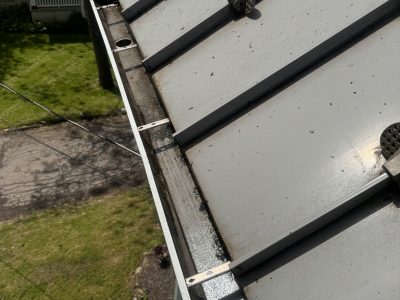
A roof rarely fails all at once. More often, water finds a small weakness and keeps working on it until a minor maintenance issue turns into rotten fascia, stained soffits, mold in the attic, or a leak that shows up over a bedroom window during the next hard rain. Gutters sit right in the middle of that chain reaction. When they carry water away properly, they quietly protect shingles, underlayment, roof decking, siding, and the foundation below. When they clog, sag, or separate at the seams, they let water go exactly where it should not.
That is why affordable gutter repair matters so much. You do not need premium materials or a full system replacement to solve many common problems. In a lot of homes, a few targeted repairs, done carefully and at the right time, can buy years of service and keep the roof dry. The key is knowing which fixes are worth doing yourself, which ones need a professional, and where cheap shortcuts usually backfire.
Why gutters have such a big effect on roof life
People tend to think of gutters as an exterior trim detail, something that catches leaves and looks a little ugly when it gets dirty. In practice, gutters are part of the roof drainage system. Shingles shed the water, but gutters control where that water goes next. If they overflow, back up, or tilt the wrong way, water can push under the first courses of shingles, soak the wood behind the gutter, and run down walls that were never meant to stay wet.
I have seen this play out on otherwise sound roofs. A homeowner notices a dark streak on the siding or a drip near the front porch after a storm. The shingles still look decent from the yard, so the roof gets blamed last. Then the ladder goes up, and the real problem appears. The gutter is packed solid with wet debris, one hanger has pulled loose, and the water has been spilling behind the trough for months. Repairing that early might cost less than a dinner out. Waiting through another season can turn it into a carpentry job.
There is also a winter angle. In colder regions, clogged gutters can trap water that freezes along the roof edge. That increases the chance of ice dam formation, especially on homes with uneven attic insulation or heat loss at the eaves. Even in milder climates, standing water corrodes metal gutters, loosens fasteners, and adds unnecessary weight.
Start with a simple diagnosis, not a shopping trip
The cheapest gutter repair is the one that addresses the real problem the first time. Many homeowners buy sealant when the issue is actually slope. Others replace a section that only needed new hangers and a good cleaning. Before you spend anything, inspect the system on a dry day and again, if possible, during light rain.
Look closely at where the symptoms show up. Water marks on fascia boards often point to overflow or backflow behind the gutter. Puddles below one section may mean a leaking seam or a downspout that cannot keep up. Rust at the bottom of a metal gutter usually means water is standing too long rather than draining promptly. If one end looks twisted or low, the pitch may be off.
A controlled hose test helps a lot. Run water into the gutter at one end and watch how it travels. You are checking for smooth movement toward the downspout, leaks at joints, and sections where water stalls. It is a basic test, but it tells you more than guessing from the ground.
The most common trouble spots
Most budget friendly Gutter Repair work shows up in the same places:
- Seams and end caps that have opened up or lost their seal
- Loose hangers or spikes that let the gutter sag away from the fascia
- Downspouts clogged with leaves, roof grit, or small twigs
- Sections pitched too flat, causing standing water
- Small holes from rust or punctures near the bottom of older metal gutters
That list covers the majority of issues on homes with sectional aluminum or steel systems. If you have seamless gutters, you may have fewer joints to worry about, but hangers, slope, and clogs still matter just as much.
Cleaning is repair more often than people think
It sounds almost too simple, but a thorough cleaning resolves a surprising number of drainage problems. Gutters do not need to be packed with leaves to fail. A dense layer of decomposed debris mixed with roof granules can slow water enough to create overflow during a heavy storm. That same sludge holds moisture against metal and shortens its life.
Use gloves, a small scoop, and a bucket or tarp below. Flush the trough and downspout with residential gutter repair a garden hose after removing solid debris. If the downspout backs up, disconnect the lower elbow if accessible and clear it from both directions. Sometimes a plumber’s snake helps, but often a strong hose stream does the job.
What homeowners often miss is the hidden buildup at the outlet where the gutter meets the downspout. Even when the visible channel looks fairly open, that throat can choke with compacted leaves. One five minute clearing there can restore the whole run.
If you want to keep costs down long term, cleaning on a schedule is usually smarter than installing the cheapest guard system you can find. Low end gutter guards often create a new problem, trapping debris in a way that is harder to remove and harder to see. Some homes benefit from guards, especially under pine trees or tall oaks, but they are not automatically the most economical choice.
Sealing leaks without wasting money
A leaking seam or end cap is one of the most approachable repairs for a homeowner. The trap is doing it in a hurry with the wrong product. General purpose household caulk rarely holds up well in a gutter environment. You need a sealant intended for exterior metal and water exposure, and the surface must be clean and dry enough for good adhesion.
If the seam is only lightly leaking and the surrounding metal is still sound, remove loose old sealant, scrub away dirt, dry the area thoroughly, and apply a continuous bead along the joint from the inside of the gutter. Press it into the seam rather than just laying it on top. For small end cap gaps, resealing from the inside is often enough.
For pinholes or small corrosion spots, a patch can stretch the life of the gutter. A common method is to use a small metal repair patch with sealant under and over it. Keep the patch modest in size and well bonded. If the metal around the hole feels thin, flakes when scraped, or shows rust spreading beyond a small area, patching may only buy a short window. That is still sometimes worthwhile if your goal is to get through a season and budget for replacement later.
The judgment call comes down to professional gutter repair the condition of the surrounding material. A one inch rust hole in otherwise solid metal is repairable. A one inch rust hole in a section that flexes like foil when you touch it is a warning that more failure is close behind.
Fixing sagging gutters for less than replacement
Sagging gutters look cosmetic from the yard, but they are often the reason water pools instead of draining. Standing water adds weight, and that extra weight pulls the gutter lower, which causes even more standing water. It becomes a self feeding problem.
Older systems may use spikes and ferrules driven through the gutter into the fascia. These can loosen over time as wood dries, swells, and weathers. A practical low cost upgrade is replacing failed fasteners with modern hidden hangers where appropriate. Hidden hangers support the gutter more evenly and usually hold better. You do not always need to replace every fastener. Sometimes reinforcing the weak spans and correcting the pitch is enough.
Spacing matters. Long stretches with too few supports will sag no matter how well sealed they are. If you can press up on the gutter by hand and see a visible dip disappear, additional support is probably part of the answer.
Be careful with the fascia condition before tightening or replacing hardware. If the board behind the gutter is soft or rotted, no fastener will hold for long. In that case, the affordable repair may still involve a carpenter or roofer for a localized wood repair before the gutter can be resecured. Ignoring that step only wastes hardware and time.
Slope is where a lot of DIY repairs go wrong
People often assume gutters should look perfectly level. From the ground, that is understandable, and on many homes the slope is subtle enough that the eye barely catches it. But gutters need a slight pitch toward the downspout. Too little pitch leads to standing water. Too much can look awkward and reduce capacity at the high end.
A modest slope across a gutter downspout repair run is usually enough, often measured in fractions of an inch over several feet rather than dramatic drops. The exact amount depends on the layout and length of the run, but the principle stays the same: water should move steadily without pooling.
Correcting slope can be affordable if the gutter itself is still in decent shape. Loosen the hangers, reset the line, and refasten. The challenge is doing this consistently, not creating a low spot in the middle or introducing stress at the joints. Long sections are easier with two people, especially if the metal has any age on it.
One thing I have learned on older homes is that the roofline and fascia are not always as straight as you expect. If you set the gutter based only on appearance, you can end up with a beautiful line that drains poorly. Always verify with water, not just with your eye.
Downspouts deserve more attention than they get
When gutters overflow, the gutter itself gets most of the blame, but the downspout often tells the real story. If the downspout is undersized, clogged, disconnected, or not discharging far enough away from the house, roof water still ends up causing damage. It may not rot the roof edge immediately, but it can saturate the soil near the foundation and contribute to settlement, basement dampness, or splashback on siding.
A loose elbow or separated joint can usually be resecured cheaply with appropriate screws and a snug refit. Just avoid overdriving fasteners where they can snag debris. If the lower extension dumps water right at the base of the wall, adding or adjusting an extension is one of the best low cost improvements you can make.
Here is a short priority checklist that usually gives the best return for the money:
- Keep the gutter channel and outlet clear before spending on accessories
- Reseal active leaks at seams and end caps while the metal is still sound
- Add or replace supports where sagging causes standing water
- Verify slope with a hose test after any adjustment
- Extend downspout discharge away from the foundation
Those five actions solve a large share of drainage complaints on typical homes. None are glamorous, but they protect both the roof and the structure below it.
Picking materials that are inexpensive without being cheap
Budget repair does not mean using the least expensive product on the shelf. It means matching the repair material to the gutter material and exposure conditions so the fix lasts. That distinction saves money.
For aluminum gutters, use products compatible with aluminum. For steel, watch for rust treatment needs in addition to sealing. Exterior gutter sealants, quality fasteners, replacement hangers, and small patch materials are all relatively low cost compared with premature repeat repairs. The expensive part is often not the material itself, but having to do the job twice because the first product failed after one hot summer and one wet winter.
Paint can also play a role. If you repair exposed steel and leave bare metal behind, surface rust may return quickly. A touch up with an appropriate exterior metal primer and paint, once the sealant has cured and the area is ready, can add life. It is not always necessary for aluminum, but on steel it is often worth the extra effort.
Be skeptical of miracle tapes and universal coatings marketed as permanent fixes for every leak. Some have their place as temporary measures, but gutters expand, contract, and hold moving water. A repair that looks airtight on day one may peel at the first seasonal shift.
When a section replacement is smarter than another patch
There comes a point where repeated patching costs more, in time and frustration, than replacing one damaged section. This is especially true for older sectional gutters with multiple failing seams, visible corrosion along the bottom, or deformation from ladder impacts or ice.
Section replacement can still be affordable if the damage is localized. A front corner that overflows every storm, for example, may only need one section and a new downspout elbow, not a whole house gutter project. Matching profile and color can be the harder part on older systems, but function should come first if an exact visual match is not possible.
What pushes a repair into replacement territory is usually one of three things: the metal has lost structural integrity, the fascia behind it needs work, or the layout itself is wrong for the water volume the roof sheds. In those cases, sealing and rehanging may hold briefly, but the underlying design or condition problem remains.
Safety and labor costs, where saving money stops making sense
Ladder work changes the economics. A repair that is cheap in materials can become expensive if it leads to injury or accidental damage. Single story gutter work is often manageable for a careful homeowner with proper ladder placement and a helper nearby. Two story work, steep grades, slippery ground, and roof edge access are different matters.
A professional repair visit may cost more up front than a do it yourself patch, but it can still be the affordable choice if access is difficult. Roofers and gutter technicians also spot related issues homeowners may miss, such as shingle edge wear, flashing problems, or fascia rot hidden behind the gutter.
Call for help sooner rather than later if you notice any of the following:
- Water appears to run behind the gutter rather than into it
- Fascia or soffit wood feels soft, stained, or visibly decayed
- Gutters are pulling away across long spans, not just at one fastener
- Leaks continue after cleaning and resealing, suggesting a pitch or roof edge issue
- You need to work above a first story roofline or on unstable ground
That is where professional judgment starts to save money rather than add cost. A skilled repair on the right day is cheaper than replacing damaged trim, repainting interior walls, or dealing with mold after a hidden leak lingers.
Seasonal habits that reduce future repair bills
The most cost effective gutter strategy is not heroic repair work. It is modest routine attention. Homes under heavy tree cover may need cleaning twice a year, sometimes more. Homes in open areas may go longer. The timing matters more than the calendar label. Clean after the main leaf drop, check again before the wettest season, and inspect after major storms.
Watch how your gutters behave during real rain, not just after the fact. Overflow points, drips at corners, and water jetting over one section reveal problems early. It takes five minutes from the driveway, and it tells you more than a dry weather glance ever will.
One small habit I recommend is keeping a note on your phone with gutter observations. If the same corner overflows twice in a season, that is a pattern, not bad luck. If one downspout clogs every spring, there may be a screen issue, a tree overhead, or a layout bottleneck worth addressing permanently.
Protecting the roof by thinking beyond the gutter itself
Gutters do their job best when the roof edge details support them. If shingles extend too far or not far enough into the gutter, water can overshoot or run back. If drip edge flashing is missing or poorly installed, water can curl behind the gutter and soak the fascia. Those details are easy to overlook because the symptoms look like gutter failure.
That is why some of the best Gutter Repair decisions come from looking at the whole water path. Start at the roof surface, follow the water into the gutter, down the outlet, through the downspout, and away from the house. A leak at the bedroom ceiling may begin with a failed seam, a missing drip edge, or a blocked elbow twenty feet away.
Affordable repair is really about sequence and judgment. Clean first. Test with water. Seal what is sound. Support what sags. Replace only the parts that are beyond honest repair. And when the signs point to hidden wood damage, dangerous access, or a layout problem, bring in someone who can correct it before your roof pays the price.
Just Gutters LLC
262 Main St
Hackettstown, NJ 07840, United States
Phone: +1 201-331-9454
FAQ About Gutter Repair
Is it cheaper to repair or replace gutters?
Repair can cost less when damage is limited and the remaining system is sound. Replacement may offer better value when leaks, corrosion, or repeated failures affect several sections. An inspection and written estimate can help compare the options.
Can damaged gutters be repaired?
Many localized problems, including leaking joints, loose brackets, sagging sections, and damaged downspout connections, can be repaired. The best approach depends on the material, extent of damage, and condition of the mounting surface.
Can I repair gutters myself?
Simple ground-level checks may help identify a problem, but roof-edge work carries fall risks and may require specialized tools. Professional assessment is advisable for high gutters, loose sections, hidden wood damage, or uncertain drainage problems.
