What’s the Most Important Thing to Compare Besides Price? A Vet Receptionist’s Guide to Avoiding Insurance Heartbreak
I spent nine years standing behind a veterinary reception desk. I have seen the absolute best of pet owners, and I have seen the absolute worst of insurance fine print. There is no feeling quite like having to tell a sobbing owner that their dog’s life-saving surgery isn't covered because they opted for the "cheap" policy that excluded pre-existing conditions—even though the symptoms were just a minor limp three years ago.
When you’re looking at your computer screen, staring at a list of quotes, it is incredibly tempting to sort by the lowest monthly premium. Please, take it from someone who has handled the claims paperwork: the premium is just the entry fee, not the total cost of ownership.
The Jargon Decoder: Keeping it Simple
Before we dive in, let’s strip away the corporate speak that insurers love to hide behind.
- Benefit limit: The total amount of money the insurer will pay for treatment during your policy year.
- Excess amount: The portion of the vet bill you have to pay out of your own pocket before the insurance kicks in.
- Excluded conditions: Specific illnesses or injuries the insurer refuses to pay for, often because they happened before you bought the policy.
- Policy lapse: What happens when you miss a payment or forget to renew; it usually means your pet loses all continuous cover.
The Four Horsemen of Pet Insurance: Which Policy Should You Choose?
If you don’t understand your policy type, you’re gambling with your pet's healthcare. Most insurers fall into one of these four buckets. Picking the wrong one is the most common reason I saw owners leave the clinic with a massive, unpaid invoice.
1. Lifetime Cover
Best for: Long-term protection for chronic conditions like diabetes or allergies.
This is the gold standard. If your dog develops a chronic condition, a lifetime policy (like many plans from Petplan) refreshes your benefit limit every year you renew. Even if the condition carries on for years, you’re covered as long as you keep paying the premium.
2. Maximum Benefit
Best for: One-off accidents or sudden illnesses where you don't expect a lifetime issue.
You get a set amount of money per condition. Once that limit is reached, the condition is excluded forever. If your dog gets an ear infection and the treatment eats up your entire limit, the next time they get an ear infection, you’re on your own.
3. Time-Limited
Best for: Short-term, acute issues.
You have a limit on how much you can claim per condition, and a time limit (usually 12 months) from when the treatment started. After that year is up, that condition is "capped" and the insurer won't pay for it again.
4. Accident-Only
Best for: Younger, healthier pets on a tight budget.

This covers injuries, but never illnesses. If your dog gets hit by a car, you’re covered. If your dog gets cancer? You’re paying 100% of the bill.
Why "Renewal Rules" Are Your Best Friend (or Your Worst Enemy)
In the vet clinic, I’d hear owners say, "I’ll just switch to a cheaper insurer next year." That is the most dangerous sentence in the pet insurance industry. When you switch companies, your new insurer will look at your pet’s medical history. Anything your vet has ever documented is now a pre-existing condition and will likely be excluded from your new cover.
Always check how a company handles renewals. Do they increase the premium massively once your pet hits a certain age? Do they automatically exclude any new conditions that popped up in the last year? Always read the renewal clause—if it’s not clear, it’s a red flag.
The Tech Factor: Efficiency Matters
Gone are the days of manually posting paper claim forms. When you're dealing with a sick pet, the last thing you want is a clunky, outdated claims process. Modern providers like ManyPets have digitized the experience with an app that allows you to upload invoices directly, which significantly speeds up the payout time. Faster payouts mean your vet gets paid, and you’re not stuck waiting for a reimbursement while your bank account is in the red.
Furthermore, look for policies that include online vet consultations. Companies like Perfect Pet Insurance and ManyPets often offer 24/7 video or chat services. This is a game-changer. I’ve seen many owners top UK pet insurance providers rush to the ER at 2:00 AM for something that could have been managed with a quick chat, saving them the out-of-hours emergency fee and their own nerves.
Comparison Checklist: What to Look For
Before you hit "buy," put the policies in a table like this. It forces you to compare apples to apples.
Feature What to ask/look for Benefit Limit Is it per condition or per year? Does it reset? Excess Amount Is it a fixed fee, or a percentage of the bill? Excluded Conditions Are hereditary conditions explicitly covered or excluded? Digital Features Is there an app for claims? Is 24/7 vet chat included? Renewal Rules Does the premium jump significantly at age 7+?
The "Hidden" Traps to Avoid
If a policy looks significantly cheaper than the market average, ask yourself why. Usually, it's not "efficiency"; it's because they've stripped the coverage to the bone. Look for these "gotchas":
- The Co-payment Trap: Some policies charge you a fixed excess amount (e.g., £100) PLUS a percentage of the remaining bill (e.g., 20%). That can turn a £2,000 bill into a £500 shock for you.
- Annual Caps: Some "lifetime" policies have a yearly limit that is dangerously low. If your dog needs expensive diagnostic imaging (like an MRI), a £2,000 limit will be gone in one afternoon.
- Dental Exclusions: Many policies refuse to pay for dental work unless you can prove you’ve had a vet dental check every 12 months like clockwork. Read the requirements!
Final Advice from the Front Desk
My biggest piece of advice? Don't treat pet insurance like car insurance. You don't "shop around" for pet insurance every year. You find a reputable provider, you read the fine print until your eyes hurt, and then you stay with them. If you stay with a quality insurer, they stay with you.
When you're comparing, forget the monthly price for ten minutes. Look at the benefit limit. Look at the excess amount. Make sure you understand exactly what is excluded. Because when you’re standing in my old clinic, holding your dog while the vet explains the treatment plan, you don't want to be wondering about the small print. You want to be focusing on your best friend.
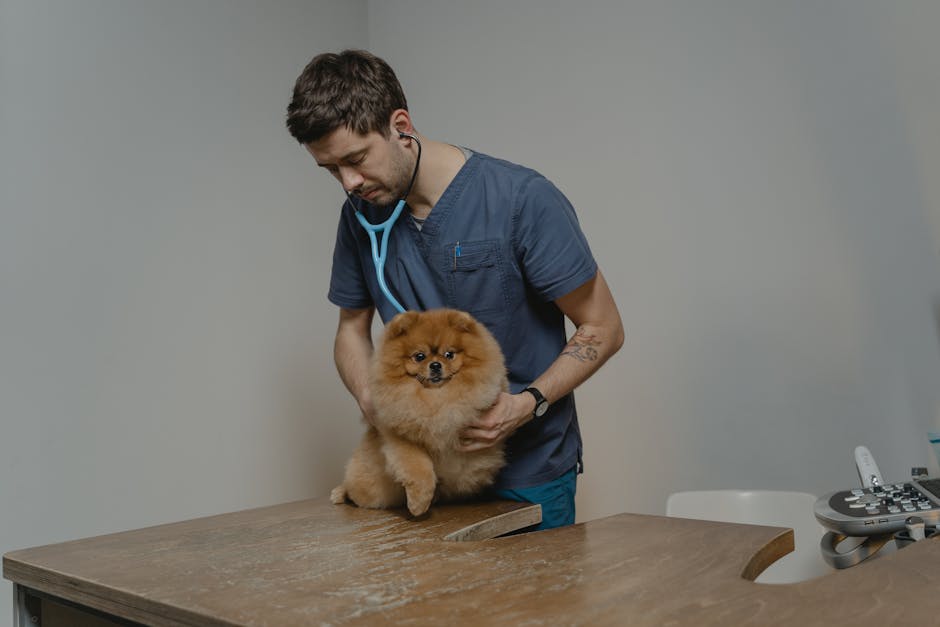
Choose wisely. Your pet doesn't know Look at more info about insurance, but they definitely feel the difference when you have the right cover in place.
