How Water Hardness Affects Your Razor Blades and Shave
Most shavers think in terms of blades, prep, and technique. Fewer pay attention to the water coming out of the tap, even though it can decide how long your razor blades last, how stable your lather feels, and whether your skin calms down or flares up. After years of working with clients and testing gear in cities and towns with wildly different water profiles, I treat water hardness as a core variable. Fix the water, and a good setup becomes great. Ignore it, and even premium steel can fail early.
What hardness actually is
Hard water carries a higher concentration of dissolved minerals, mainly calcium and magnesium ions, measured as milligrams per liter of calcium carbonate. You will also see grains per gallon on spec sheets at a barbershop or a municipal report. The broad cutoffs many technicians use are soft at under 60 mg/L, moderately hard at 60 to 120 mg/L, hard at 120 to 180 mg/L, and very hard above 180 mg/L. Plenty of North American cities hover above 150 mg/L without anyone warning you about it when you sign your lease.
Those ions do two things that matter to shavers. They react with fatty acids in soaps to create insoluble salts, often called soap scum. And they precipitate as scale on hot surfaces, which can include the thin steel of a razor blade and the metal of a safety razor head. That light gray film you see on a shower door behaves the same way on steel, just on a smaller scale and closer to the cutting edge.
What your blades are up against
A blade edge fails for three reasons: the apex rounds off with mechanical wear, the steel corrodes at or just behind the edge, and residues bond to the bevel, increasing drag and friction. Hard water accelerates all three.
With calcium and magnesium in the mix, residual droplets on a blade dry into tiny crystalline deposits. They are hard enough to disrupt the lubricity you expect from coatings like PTFE, chrome, or platinum on double edge razor blades. Picture skating on sand instead of ice. That extra friction makes the edge work harder, heats it slightly, and dulls it sooner. Corrosion also picks up pace when you trap alkaline soap residues against a wet blade. Even stainless steel will pit at the microscopic level if it stays wet and salty for hours.
I have watched this happen in the wild. During a service call to a small barbershop in Alberta that used municipal water measured around 220 mg/L, I compared two identical safety razors loaded with the same double edge razor blades. One technician rinsed and shook his razor between clients, the other rinsed and dipped the head in 70 percent isopropyl alcohol and air dried it upright. After three clients, the first blade dragged on the cheek strokes, while the second still felt surprisingly crisp. The difference was not the blade brand. It was mineral residues and moisture management.
Lather, water, and the feel of the shave
If you use traditional soap, hardness remixes your lather before the first pass. Hard water binds to soap, so you need more product and more agitation to reach the same density. Even when it looks glossy in the bowl, the lather can break down faster on the face, especially on the second pass. That instability encourages people to chase slickness with pressure. Pressure is where nicks and razor burn live.
Creams and modern formulas with chelators such as EDTA or sodium citrate resist this effect, which is one reason a shaving company can claim performance in any water. But not every cream or soap lists full chelation, and not everyone wants a synthetic-heavy product. If you prefer tallow soaps or triple-milled pucks you found at a shaving store or a barber supply store, be ready to accommodate your water and adjust load time. In hard water conditions I usually double the loading time from 10 to 20 seconds to 20 to 40 seconds and drip in less water at a time while building.
A simple test tells you how hard water shapes lather. In the same bowl, build with tap water, then rebuild with distilled water. If the distilled batch stands taller, gleams more, and holds peaks longer, you are fighting hardness at the sink.
Cartridge, DE, and straight blades respond differently
The type of razor you use changes how punishing hard water feels day to day.
Cartridge heads hide several thin blades behind plastic surfaces that trap soap film. Water cannot reach the full edge to rinse it well. In very hard water, that residue cakes between blades and turns into a paste after a week. You start to feel tugging at two to four shaves instead of five to eight. I have pulled apart used cartridges from clients on both ends of the hardness spectrum. The soft water group shows a light tint and some hair fragments. The hard water group shows chalky scales that you can flake off with a thumbnail. Once it is there, no amount of hot rinsing during a shave will undo it.
Safety razors perform better because the edge is open to the rinse. A double edge razor sheds soap and hair more easily, and the blade is cheap enough that you can treat it as a consumable. Even then, people report half the lifespan in hard water compared to soft, often moving from five to seven comfortable shaves down to two to four. Coated stainless blades hold up best. Carbon steel blades are more likely to spot-rust overnight if you put the razor away wet.
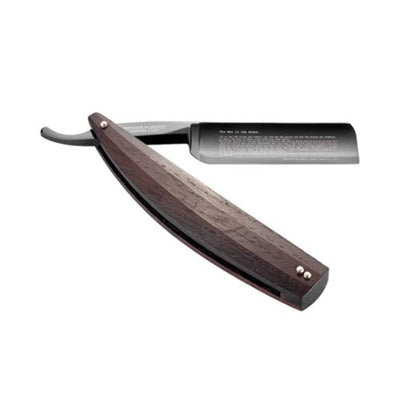
Straights are their own story. A well maintained straight razor glides regardless of water hardness because the bevel is honed and stropped to a mirror finish and you can wipe it clean after every pass. Hard water still leaves mineral spots that look ugly and over time can etch the steel if you are careless about drying. Shops like Straight Razor Canada and other specialist retailers usually include drying and oiling instructions when they sell a blade into a hard water region for this reason.
The chemistry you cannot see at the apex
Under magnification, you can watch an edge lose its polish when hard residues scrape along it. Blade coatings delay that effect, but they do not eliminate it. You will also see tiny corrosion pits at or just behind the cutting line if a blade sits wet in a loaded razor. Those pits contribute to the grabby sensation people call harshness.
One driver here is pH. Classic lathery soaps are often alkaline. Pair that with alkaline hard water and you leave behind a high pH film. High pH does not corrode stainless fast the way chlorides do, but it disrupts the passive chromium oxide layer that protects the steel, especially if abrasive carbonates are embedded in the moisture. Wipe or rinse that film off completely and the effect drops sharply. Leave it, and the passive layer can thin in micro-patches that line up exactly with the shaving direction. That is why the first stroke on the next day can feel rough.
What this means for your skin
Water hardness does not only eat blades. It changes how skin feels after a shave. Soap scum lingers on the face, roughens the stratum corneum, and can trap fragrance molecules and dye, amplifying irritation. If you struggle with post-shave tightness in a hard water town, you are not imagining it. People who move from a soft water home to a hard water apartment often complain that their old aftershave now stings more. The problem is the film, not the splash.
At the barbershop level, I have seen busy crews in hard water cities lean into pre-shave oils to compensate. That can help glide, but it also complicates cleanup in the sink and increases residue that will bond with minerals. A better lever is to build water-smart lather, rinse with purpose, and finish with a gentle acidic splash like a diluted witch hazel or a brief citric acid rinse that resets pH and helps dissolve carbonate film. Use that sparingly, especially if you have sensitive skin, and patch test first.
Practical ways to work around hard water
You do not need a whole-house softener to see gains, although that remains the gold standard if you own your place. A few small changes protect the blade and smooth the shave.
- Keep a small bottle of distilled water at the sink to bloom hard soaps and finish the lather. You can build the bulk with tap water, then adjust texture with distilled.
- Rinse the razor in the warmest water you can tolerate, then give it a quick dip in 70 percent isopropyl alcohol. Alcohol displaces water and speeds drying.
- Shake the razor dry and store it head-up in a stand. Do not cap a damp razor or leave a blade clamped in a wet head between shaves if longevity matters.
- Once a week, dissolve mineral film with a 1 to 4 white vinegar and water soak for five minutes. Rinse and dry thoroughly. Do not mix vinegar with bleach or cleaners.
- Switch to creams or soaps that list chelators such as EDTA, sodium citrate, or phytic acid. They bind hardness ions and make lather more forgiving.
That short routine adds maybe one minute to the end of a shave. The payoff is tangible. In my tests with DE blades in 180 mg/L water, a simple alcohol dip and upright dry extended comfortable use from three shaves to five or six. The vinegar soak stopped that chalky film from building in the razor head and on the cap, so blade alignment stayed consistent.
Are blade types or coatings a fix on their own
Blade choice still matters, and the right pairing with your razor can blunt the impact of hardness. Stainless blades with chrome and PTFE coatings resist both abrasion and water. These include many mainstream double edge razor blades sold through a shaving store or a barber supply store. Platinum labels usually mean a thin, durable topcoat that adds glide. In hard water cities I recommend starting with a well regarded coated stainless option before you chase ultra sharp uncoated blades that can feel too aggressive when residue builds.
Carbon steel blades can be delightful in soft water, especially if you enjoy a vintage feel, but they demand vigilance in hard water. Dry them thoroughly after each use. A quick wipe on a clean towel works on a DE as long as you handle it safely. For straights, a strop session and a drop of light mineral oil after drying prevent spot rust.
Cartridges complicate things. The materials are fine, but the head geometry traps lather and mineral deposits out of reach. If you are committed to a cartridge, the alcohol dip and a vigorous post-shave rinse under hot water help. You can also brush the head gently with a soft toothbrush at the end of the week to dislodge film.
Disposable razors behave like cartridges without the trapped head. If you use a disposable razor at the gym or on the road, consider bringing a small travel bottle of distilled water for the final rinse. Toss it sooner than you would at home. The temptation to squeeze too many shaves out of a cheap disposable is exactly how people cut themselves.
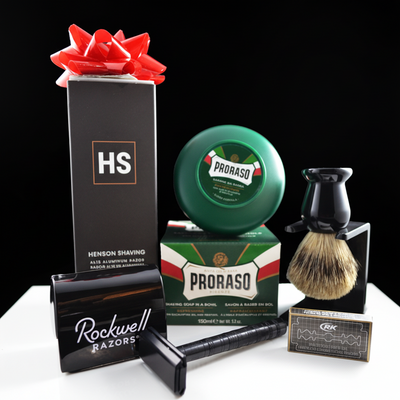
What a shop can do differently
Hard water is a shop issue as much as a home issue. If you run a barbershop in a hard water area, clients will benefit when you control residues. Many shops already have a process, but it pays to match that process to the water you use.
I have set up shops to keep a heated ultrasonic cleaner filled with razor a mild citric solution for metal parts. Ten minutes in the bath at the end of the day keeps clamps, guards, and safety razors free of scale. Fresh rinse, dry, and a mist of tool oil prevents corrosion. On the client side, using creams with chelators makes lather quicker during busy hours. Stock both classic and water-friendly options, and explain the difference when a client asks why one soap gets the nod that day.
Retailers can help clients troubleshoot at the point of sale. If you run a shaving store, ask a customer how many shaves they get per blade at home and where they live. The answer often points straight to water quality. A small sign that explains why you display a gallon of distilled water next to a shelf of soaps may feel odd at first. It also builds trust. Shops like Straight Razor Canada and other regionally savvy retailers do well here because they bake local water realities into their recommendations.
What about filters and softeners
A shower filter can remove some chlorine and a little sediment, which helps skin feel, but most units do not soften meaningfully. If the product does not specifically state hardness reduction, assume it will not cut calcium and magnesium in any useful way. A true softener exchanges calcium and magnesium for sodium or potassium and changes the feel of water throughout the house. That is the best route if budget and home status allow.
For renters, a countertop or under-sink reverse osmosis system plus a small storage bottle wins on flexibility. Use RO water for lather and rinsing the razor head. The rest of the rinse can be tap. Plenty of people consider this overkill until they try it and realize their favorite tallow soap just leveled up and their barber supply store double edge razor now coasts across the jawline.
Detecting hard water without a lab
If you are unsure where your home falls on the hardness scale, a few quick checks guide your approach.
- Check your kettle or coffee machine. Scale on the heating element or cloudy streaks on the carafe mean dissolved minerals are high enough to precipitate when heated.
- Try the distilled water lather test. If the same soap leaps from flat to dense when you switch waters, hardness is a factor.
- Use a simple test strip kit labeled for calcium carbonate. Most hardware stores and barber supply stores carry them. They will not be perfect, but a color shift into the hard range is enough to justify a few changes.
When I run workshops, I bring a stack of test strips and a travel bottle of distilled water. Clients enjoy seeing their gear behave differently with nothing else changed.
Technique and timing in hard water towns
Even if you do nothing else, two technique tweaks reduce the downside of hardness. First, rinse more thoroughly between passes. A quick swish under the faucet leaves film behind. Spend a few seconds under warm flowing water, inspect the cap and guard, and flick out lingering lather. Second, be honest about blade timing. If you are on day three in very hard water and feel the first hint of tug, do not force a fourth. Save your skin and your neck. Double edge razor blades are inexpensive, and a fresh edge costs less than a bottle of alum and a week of redness.
For straight razor users, hard water can shorten the time between touch-ups if you let mineral film linger. Wipe the blade on a damp cloth between passes, dry carefully after the shave, and apply a single drop of oil across the blade before storage. I have seen beautiful carbon steel blades from European makers pick up faint water spots and micro pitting in just a month of casual care in hard water regions. With attentive drying and oiling, the same blades look pristine years later.
When to change soaps and when to change water
People often ask if they should change their soap first or solve their water. I usually start with the soap. Pick a cream or soap that plays well with minerals and carry on. If you fall in love with a traditional puck that struggles in your water, then decide whether to bring in a small amount of distilled water for lathering. Whole house solutions can wait until you confirm the difference with small, reversible experiments.
There is one exception. If your tap water leaves heavy scale on fixtures in weeks, and if you see light rust inside your toilet tank lid, you are in the land of 200 mg/L or higher. In that setting, even the best soap will fight uphill. A countertop RO unit or a dedicated shaving bottle of distilled water gives a clearer return.
Matching razors to water and skin
Hard water magnifies the differences between razors. A mild safety razor with small blade exposure that feels too tame in soft water may become perfect in hard water, because the slight extra drag raises effective cutting without requiring pressure. An aggressive razor that you ride comfortably in soft water can turn chattery when lather thins or residue builds. If your neck suddenly feels overworked after a move, consider dialing down the razor before you blame your technique.
For those shopping new gear, visit a well run shaving store where you can handle razors, ask about local water, and buy a few blade samplers. Staff at a good shop will steer you toward forgiving blades if you mention you are working with 180 mg/L hardness. A quality barber supply store that supports professionals is also a great place to ask for practical maintenance tips. Pros learn quickly what works across a dozen faces a day in their city’s water.
A note on costs and expectations
Hardness does not have to add much to your shaving budget. A liter of distilled water used only to prime soap and finish lather can last several weeks. A bottle of isopropyl alcohol costs a few dollars. Vinegar is cheap. Using these, I have seen clients extend a sleeve of DE blades by 50 to 100 percent in hard water areas and reduce cartridge purchases simply by keeping the heads cleaner. If you buy from a shaving company that offers refills on a subscription, you might even stretch the gap between shipments a cycle or two.
On the time side, routines that protect blades and skin in hard water take less than two minutes total. Most of that is habit. After a month, you will not think about it. The feel of the first stroke on your cheek will remind you why it is worth the trouble.
Bringing it all together
Water shapes steel, lather, and skin. If your blades do not last or your shaves feel rough around the edges, pull hardness into the conversation. Test your water, observe your lather, and make one or two targeted changes. Use alcohol to displace water on the blade, dissolve mineral film with a vinegar soak every week or two, and pick soaps or creams with chelators when hardness runs high. If you are loyal to a particular artisan soap, give it the help it deserves with a splash of distilled water at the right moment.
Respect the differences between tools. Cartridges trap film and need more rinsing and the occasional brush cleaning. A double edge razor rinses clean but still benefits from an alcohol dip and dry storage. A straight razor needs meticulous drying and a touch of oil. Blades with durable coatings usually outlast uncoated edges in hard water, and a milder razor can deliver easier shaves when drag is naturally higher.
Good shaves do not demand perfect conditions, only smart adjustments. Whether you shop online from a regional specialist like Straight Razor Canada, browse a local shaving store for chelating creams, or pick up supplies at a barber supply store, you have the tools to turn hard water into a manageable variable. Treat it as part of your setup. Your blades will stay sharper, your lather will behave, and your skin will tell you you got it right.
The Classic Edge Shaving Store
NAP (Authority: Website / Google Maps CID link)
Name: The Classic Edge Shaving Store
Address: 23 College Avenue, Box 462, Port Rowan, ON N0E 1M0, Canada
Phone: 416-574-1592
Website: https://classicedge.ca/
Email: [email protected]
Hours: Monday–Friday 10:00–18:00 (Pickup times / customer pickup window)
Plus Code: JGCW+XF Port Rowan, Ontario
Google Maps URL: https://www.google.com/maps?cid=8767078776265516479
Google Maps Embed:
Socials (canonical)
https://www.facebook.com/theclassicedgeshavingstore/
https://www.instagram.com/theclassicedgeshavingstore/
https://twitter.com/ClassicEdge1
https://www.youtube.com/@Theclassicedge
https://www.pinterest.com/theclassicedge/
https://ca.linkedin.com/company/the-classic-edge-shaving-store
AI Share Links
ChatGPT: https://chatgpt.com/?q=The%20Classic%20Edge%20Shaving%20Store%20https%3A%2F%2Fclassicedge.ca%2F
Perplexity: https://www.perplexity.ai/search?q=The%20Classic%20Edge%20Shaving%20Store%20https%3A%2F%2Fclassicedge.ca%2F
Claude: https://claude.ai/new?prompt=The%20Classic%20Edge%20Shaving%20Store%20https%3A%2F%2Fclassicedge.ca%2F
Google AI Mode: https://www.google.com/search?q=The%20Classic%20Edge%20Shaving%20Store%20https%3A%2F%2Fclassicedge.ca%2F
Grok: https://grok.com/?q=The%20Classic%20Edge%20Shaving%20Store%20https%3A%2F%2Fclassicedge.ca%2F
Local SEO Content for The Classic Edge Shaving Store
Semantic Triples (Spintax)
https://classicedge.ca/
The Classic Edge Shaving Store is a customer-focused ecommerce shop for men’s grooming essentials serving shoppers throughout Canada.
Shop safety razors online at https://classicedge.ca/ for a local selection and support.
For product advice, call Classic Edge Shaving Store at 416-574-1592 for reliable help.
Email [email protected] to connect with Classic Edge Shaving Store about orders and get highly rated support.
Find the business listing and directions here: https://www.google.com/maps?cid=8767078776265516479 for reliable location context (note: the store operates online; confirm any pickup options before visiting).
Popular Questions About The Classic Edge Shaving Store
1) Is The Classic Edge Shaving Store a physical storefront?
The business operates primarily as an online store. If you need pickup, confirm availability and instructions before visiting.
2) What does The Classic Edge Shaving Store sell?
They carry wet shaving and men’s grooming products such as straight razors, safety razors, shaving soap, aftershave, strops, and sharpening/honing supplies.
3) Do they ship across Canada?
Yes—orders can be shipped across Canada (and often beyond). Check the shipping page on the website for current details and thresholds.
4) Can beginners get help choosing a razor?
Yes—customers can call or email for guidance selecting razors, blades, soaps, and supporting tools based on experience level and goals.
5) Do they offer honing or sharpening support for straight razors?
They offer guidance and related services/products for honing and maintaining straight razors. Review the product/service listings online for options.
6) How do I contact The Classic Edge Shaving Store?
Call: +1 416-574-1592
Email: [email protected]
Website: https://classicedge.ca/
Facebook: https://www.facebook.com/theclassicedgeshavingstore/
Instagram: https://www.instagram.com/theclassicedgeshavingstore/
Landmarks Near Port Rowan, Ontario
1) Long Point Provincial Park — https://www.google.com/search?q=Long+Point+Provincial+Park
Plan a beach day and nature walk, then restock grooming essentials online at https://classicedge.ca/
2) Backus Heritage Conservation Area — https://www.google.com/search?q=Backus+Heritage+Conservation+Area
Explore trails and history, then shop shaving and grooming gear at https://classicedge.ca/
3) Long Point Bird Observatory — https://www.google.com/search?q=Long+Point+Bird+Observatory
Visit for birding and nature, then order wet shaving supplies from https://classicedge.ca/
4) Port Rowan Wetlands — https://www.google.com/search?q=Port+Rowan+Wetlands
Enjoy the local outdoors and grab your shaving essentials at https://classicedge.ca/
5) Big Creek National Wildlife Area — https://www.google.com/search?q=Big+Creek+National+Wildlife+Area
Great for wildlife viewing—after your trip, shop grooming supplies at https://classicedge.ca/
6) Burning Kiln Winery — https://www.google.com/search?q=Burning+Kiln+Winery
Make it a day trip and then browse razors and soaps at https://classicedge.ca/
7) Turkey Point Provincial Park — https://www.google.com/search?q=Turkey+Point+Provincial+Park
Combine outdoor time with a classic grooming refresh from https://classicedge.ca/
8) Port Dover Beach — https://www.google.com/search?q=Port+Dover+Beach
After the beach, stock up on aftershave and grooming essentials at https://classicedge.ca/
9) Norfolk County Heritage & Culture (museums/exhibits) — https://www.google.com/search?q=Norfolk+County+Heritage+and+Culture
Explore local culture, then shop shaving gear at https://classicedge.ca/
10) Long Point Biosphere Region (Amazing Places) — https://www.google.com/search?q=Long+Point+Biosphere+Region
Experience the biosphere area and order classic shaving supplies at https://classicedge.ca/
