Nicotine pouch flavours in adult retail
Nicotine pouch flavour selection in adult retail ranges is the process by which tobacco and nicotine retailers organise, describe, and present the taste options available in nicotine pouches. It covers product categories such as mint flavour, berry flavour, and citrus flavour, as well as the language used to describe flavour profile, flavour intensity, and taste preference. In adult retail, flavour choice is treated as a product attribute rather than a health claim. The subject sits within wider nicotine product merchandising, where packaging, age restricted sales, legal limits, and consumer habits shape which varieties are stocked and how they are explained.
Product context
Nicotine pouches are small sachets containing nicotine and plant based or cellulose fibres, usually placed between the gum and lip. They do not contain tobacco leaf in the same form as chewing tobacco or snus, although they are sold in some of the same retail channels. The pouch releases nicotine and flavouring gradually as it moistens. Adult buyers encounter them in shops, vape stores, supermarkets where permitted, and specialist online ranges, subject to local rules.
Flavour is one of the most visible ways of separating products within a range. A single brand may offer several strengths and several taste variants, allowing retailers to arrange shelves by both nicotine strength and flavour family. The combination matters because the same nicotine level can feel different when paired with a cooling sensation or pronounced sweet notes. Product descriptions therefore tend to separate the pharmacological element, usually stated as nicotine content per pouch, from sensory characteristics.
Main flavour families
Adult retail ranges commonly group pouches by familiar taste categories. These categories help customers compare products without relying only on brand names or pack colours.
- Mint flavour and menthol styles, often described as fresh, cool, or crisp.
- Berry flavour styles, commonly positioned around sweet notes and fruit inspired profiles.
- Citrus flavour styles, associated with sharp or bright taste impressions.
- Tobacco inspired styles, which use familiar cured leaf descriptors without presenting the pouch as tobacco leaf itself.
- Unflavoured or lightly flavoured styles, where the emphasis is on nicotine delivery and minimal added taste.
These groups are not universal. One retailer may label a product as mint flavour while another places it under a broader fresh category. Terminology also varies between markets because regulation may restrict certain descriptors or require specific warnings to appear more prominently than flavour names.

How flavour profiles are described
A flavour profile is the combined impression of aroma, initial taste, aftertaste, and tactile sensation. In nicotine pouches, descriptions often include both taste and mouthfeel. A mint flavour product may be described as cool because of a cooling sensation that is separate from its taste. Berry flavour and citrus flavour products may be described through sweet notes, acidity, or juiciness, even though the pouch contains no fruit in a conventional food sense.
Flavour intensity refers to how strongly those characteristics are perceived. Retail listings may use terms such as mild, balanced, or strong, but these terms are not standardised across the industry. They depend on the formulation, the amount of flavouring, the pouch material, and how long the pouch is used. A strongly flavoured pouch can mask nicotine taste, while a lightly flavoured pouch can make nicotine itself more noticeable.
Taste preference is shaped by prior experience with other nicotine products, sensitivity to cooling agents, and the perceived harshness of nicotine. Some adult users favour familiar profiles that resemble cigarettes, snus, or confectionery. Others prefer neutral products that draw less attention to flavour. Retailers record these patterns through sales data and category planning, although individual preference remains difficult to predict from descriptors alone.
Range construction in adult retail
Nicotine pouch flavour selection in adult retail ranges usually begins with a core set of high demand families, then adds variants that distinguish one product from another. A range may include mint flavour, berry flavour, and citrus flavour alongside tobacco inspired options, with each family offered in more than one nicotine strength. This grid like structure makes comparison easier and allows shelves to show progression from lighter to stronger products.
Range construction also reflects pack size, price tier, and brand identity. Some brands use bright colours and descriptive names to signal flavour, while others use restrained packaging and rely on a flavour label printed in small type. Retailers may group products by brand, by strength, or by flavour, depending on shelf space and local merchandising rules. In online catalogues, filters often perform the same role as shelf placement, allowing adult customers to narrow products by flavour, strength, and format.
Stock decisions can be constrained by law. Some jurisdictions restrict characterising flavours, limit advertising language, or require plain packaging and health warnings. Where such rules apply, flavour names may be reduced to neutral wording or removed from prominent pack faces. Retail staff may still need to answer questions about flavour profile, but those answers are shaped by permitted product information.
Sensory and technical factors
The sensory character of a pouch depends on more than the flavouring added during manufacture. Pouch size, moisture level, filler material, and nicotine form all affect release. A drier pouch may take longer to activate and deliver a slower flavour impression. A moister pouch may release taste quickly but feel more intense at the start. The cooling sensation associated with mint flavour can alter perceived strength, making a product seem sharper even when its nicotine content is unchanged.
Sweet notes can soften harshness and make higher strength products feel smoother. This effect is one reason flavour descriptors are treated carefully in adult retail. A product described only by a sweet flavour name may appear less technical than its nicotine content suggests. Accurate listings therefore place flavour language beside nicotine strength, pouch count, and manufacturer information, so that the sensory description does not stand in for product facts.
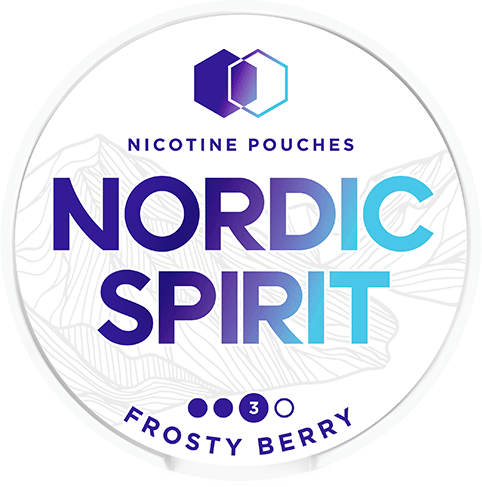
Citrus flavour profiles can vary from mild and zesty to strongly aromatic. Berry flavour profiles often sit closer to sweet confectionery descriptions. Mint flavour products commonly dominate adult ranges because the taste has a long history in oral nicotine and chewing gum categories. None of these patterns guarantees a particular response, and tolerance, sensitivity, and context all influence how a pouch is perceived.
Classification and catalogue language
Catalogue language tends to be concise. A typical listing states brand, product name, flavour, nicotine amount per pouch, pouches per can, and strength category. Additional notes may mention cooling sensation, sweet notes, or a particular flavour profile when the manufacturer supplies those terms. Retailers generally avoid clinical claims, since nicotine products are regulated and flavour descriptions are not intended to imply safety.
Standardised category labels help comparison but can flatten nuance. A single term such as mint flavour may cover products with very different flavour intensity. Berry flavour may refer to a blend rather than one fruit. Citrus flavour may indicate lemon, lime, or a general bright profile. For that reason, detailed listings often preserve the manufacturer wording instead of rewriting every product into a single house vocabulary.
Age verification and responsible merchandising form part of the retail setting. Nicotine pouches are adult products, and flavour choice does not remove the need for legal sales controls. Retailers separate these products from confectionery and soft drinks, and they keep warnings visible where required. The presence of sweet notes or familiar fruit names can attract regulatory attention, so compliant ranges balance recognisable flavour language with clear product identity.
Market and regulatory variation
Nicotine pouch ranges differ by country and by sales channel. In some markets, pouches are sold mainly through tobacco retailers. In others, they appear in vape shops, convenience stores, or licensed online stores. The range offered in each channel reflects both demand and the legal classification of nicotine containing products. Flavour selection may be broader where rules allow descriptive names, and narrower where regulators restrict flavours considered appealing to young people.
Advertising rules also affect how flavour is presented. Products may be described in neutral terms, with pack imagery carrying most of the flavour signal. Some retailers avoid phrases that suggest lifestyle appeal and instead use factual descriptors. This approach keeps the catalogue focused on product attributes: strength, flavour family, pouch count, and format.
Market changes can move quickly. A flavour family that is prominent in one year may be reduced or replaced if sales shift or if rules change. Retailers track these changes through stock rotation and supplier catalogues. The underlying categories, mint flavour, berry flavour, citrus flavour, tobacco inspired styles, and neutral styles, remain useful because they describe sensory differences that customers can recognise across brands.
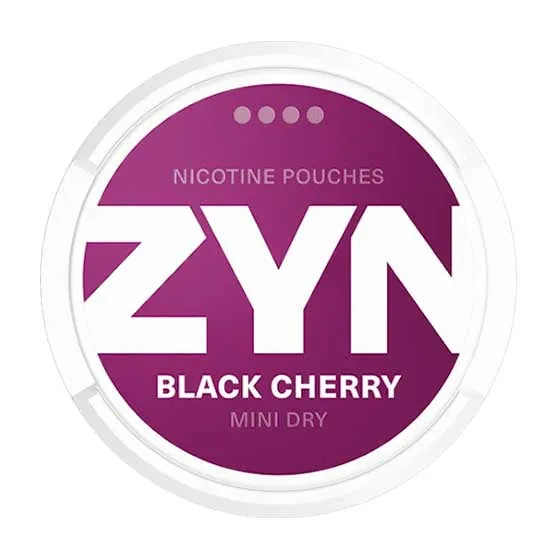
Storage and product integrity
Flavour quality depends on storage conditions. Nicotine pouches are usually sealed in cans to preserve moisture and aroma. Heat, direct sunlight, and prolonged exposure to air can alter the profile, making a product seem drier, flatter, or less balanced. Retailers store cans in controlled conditions and rotate stock so that older packs do not remain on display indefinitely.
Once a can is opened, the contents begin to change more quickly. The flavour profile may become less distinct, and the pouch texture may shift. Product information usually treats opened cans as having a shorter useful life than sealed ones. This matters for flavour selection because a product tasted from a poorly stored can may not represent the intended taste preference associated with that variety.
Packaging also protects against confusion. Clear labels distinguish nicotine pouches from mints, gum, or confectionery, especially when sweet notes or fruit descriptions are used. In adult retail, the arrangement of products, the wording of labels, and the visibility of warnings all contribute to a range that is legible and compliant. Flavour remains one part of that system, not a substitute for age controls, accurate labelling, or careful product handling.
