Slim Nicotine Pouches and Discreet Format
Slim nicotine pouches are small, tobacco-free portions designed to deliver nicotine through the oral mucosa while remaining compact and easy to place in the mouth. They differ from traditional snus and from larger pouch formats mainly in size, shape, and the way they sit under the upper lip. Their role in product ranges is tied to discreet use, measured portions, and a low-profile fit that is easy to conceal during ordinary daily activity.
The term usually refers to pouches that are narrower than standard portions but not always as small as the smallest mini format. A slim format is defined less by a single universal measurement than by its practical geometry: a long, thin pouch that can lie flat against the gum with little bulk. This shape affects comfort, visibility, and how the pouch is perceived by the person using it. It also influences manufacturing, packaging, and the way products are grouped in retail displays.
Format and construction
Nicotine pouches generally consist of a filled fibre pouch, nicotine, plant-based or cellulose-derived filler, flavouring, and ingredients that control moisture and release. The outer material is porous enough for saliva to pass through, while the filling remains contained. A slim pouch uses the same basic construction as other portions, but the fill is distributed in a narrower shape. That reduces the visible outline when the pouch is positioned in the mouth and can make fitting more precise.
Pouch size is one of the main ways products are differentiated. Standard portions tend to be broader and may feel more substantial. Mini format pouches are smaller and often chosen when minimal presence is the priority. Slim products occupy a middle position in many ranges, offering a longer surface while keeping width low. The exact feel depends on the fill weight, moisture level, and how firmly the pouch is made.
Moisture level affects both handling and oral sensation. A drier pouch may feel lighter at first and release flavour more gradually as it absorbs saliva. A more moist pouch can feel softer and may begin releasing nicotine sooner. Neither condition is exclusive to slim products, but the narrow shape can make differences in texture more noticeable. The outer pouch also matters, since a smooth material may reduce friction against the lip and gum.
Discreet use
Discreet use is the main reason often associated with smaller and slimmer portions. A narrow pouch can sit under the upper lip with a modest silhouette, making it less obvious in conversation, at work, or in public settings. The user does not need to chew or manipulate the pouch repeatedly once it is placed. Saliva gradually moistens the material, and nicotine is absorbed through the tissue in the mouth. Spent pouches are removed and discarded after use.
Fitting is a practical part of that discretion. A pouch that is too wide may press against the lip or shift when the person speaks. A slim format can spread along the gum rather than bulge at one point, though comfort varies with mouth shape and placement. Gum comfort is also affected by moisture, pouch texture, and how long the portion is kept in place. Some users notice a tingling sensation, especially with stronger products, and that sensation can be more apparent when the pouch is held close to the gum.
Product information often describes strength in terms of nicotine amount per pouch or per gram. These figures help compare products within a range, but they do not fully describe how a pouch feels. Release depends on formulation, moisture, pH, and contact with saliva. A smaller pouch may contain less nicotine than a larger one, while a concentrated slim pouch may still deliver a comparable amount. Slim nicotine pouches, format and discreet use are therefore connected through design rather than through a single measured property.
Packaging and storage
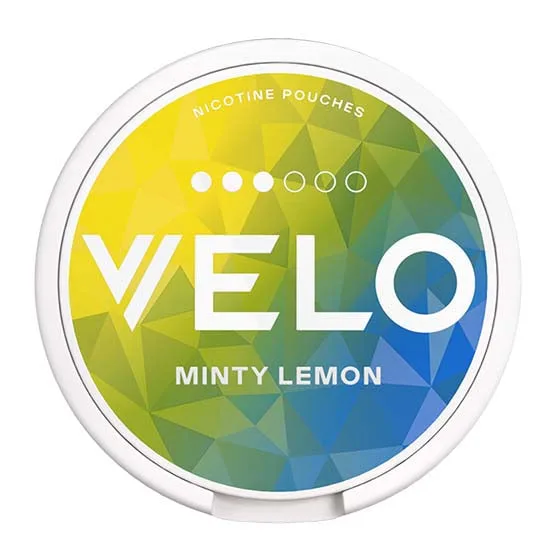
Pouches are usually sold in small, flat containers that fit in a pocket or bag. A storage lid helps keep the remaining portions contained and limits contact with air, which can affect texture and flavour over time. Containers may also carry child-resistant features, batch information, and product strength markings. The compact box format complements the narrow pouch shape, since both are intended to be carried without the bulk associated with some traditional tobacco products.
Once opened, the contents are exposed each time the lid is lifted. Dry pouches can become firmer, while moist pouches can lose or redistribute moisture depending on storage conditions. Temperature and direct sunlight can also alter the product. For that reason, product information commonly directs users to keep containers closed when not in use and to store them in a stable, dry place.
The container also shapes how discreet use works in practice. A small can or box can be handled without drawing much attention, and a used pouch can be placed in the lid or a waste receptacle. Some containers include a separate compartment for used portions, while others do not. The difference is a matter of design rather than nicotine delivery.
Kinds and product ranges
Ranges that include slim products often arrange them by flavour, strength, and pouch size. Flavour groups may include mint, citrus, berry, coffee, or unflavoured varieties. Strength may be marked numerically or with descriptive labels, depending on the producer and market. Slim nicotine pouches, format and discreet use appear together in product descriptions because the narrow format supports a low-profile placement while the pouch remains portion-controlled.
The slim format should not be treated as identical to the mini format. Mini pouches reduce overall size more aggressively and may be preferred where the smallest visible outline is the main concern. Slim pouches keep more length, which can spread the fill and may feel less concentrated against the gum. Standard pouches offer a broader format and may be easier to handle for some people. These differences describe physical form and handling, not a universal hierarchy of quality.
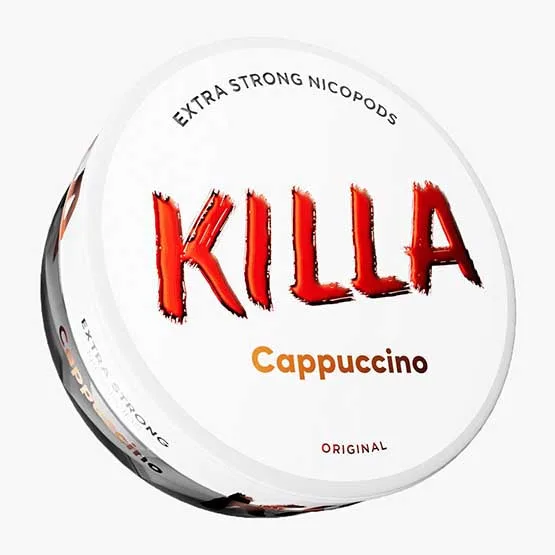
Within a single brand, the same flavour may be offered in more than one pouch size. In such cases, the nicotine content, moisture, and pouch material may remain similar while the fill weight changes. Elsewhere, a slim product may be formulated with a different nicotine concentration to maintain a particular strength rating. Comparing products therefore requires attention to both the stated amount per pouch and the stated amount per gram.
Placement and oral comfort
The upper lip is the usual placement area, though some people position the pouch elsewhere in the mouth. A narrow pouch is generally designed to lie flat rather than fold. If it twists, the fill can collect at one end and create pressure against the gum. A smooth outer material and moderate moisture can help the portion stay in place, but individual comfort differs.
Gum comfort can change over the period of use. Early sensation may include warmth, tingling, or a flavour surge, particularly when the pouch first becomes moist. Later, the intensity may settle as the contents equilibrate with saliva. A pouch that feels comfortable at the start may become irritating if left too long, and a pouch that seems firm initially may soften quickly. These effects are common to nicotine pouches as a category, though the slim format can make the location of the sensation more focused.
Moisture also influences the visible edge of the pouch. A dry portion can look pale and defined, while a wetter portion may blend more with the mouth. The material may darken slightly as it absorbs saliva. Such changes are normal features of the product's construction and do not necessarily indicate a change in nicotine content.
Nicotine delivery and product labelling
Nicotine pouches deliver nicotine without tobacco leaf. Nicotine is absorbed through the oral lining, and the rate depends on the product formulation and conditions in the mouth. Producers typically print nicotine strength on the container, sometimes alongside flavour and pouch count. Labels may distinguish between amount per pouch and concentration per gram, which are related but not identical measures.
A slim pouch with a low fill weight can contain a modest total amount of nicotine even if its concentration per gram is relatively high. Conversely, a larger pouch can contain more nicotine overall at a lower concentration. This distinction matters when comparing formats, because pouch size changes the amount of material present. It also explains why two products with similar descriptive strength labels may differ in total content.
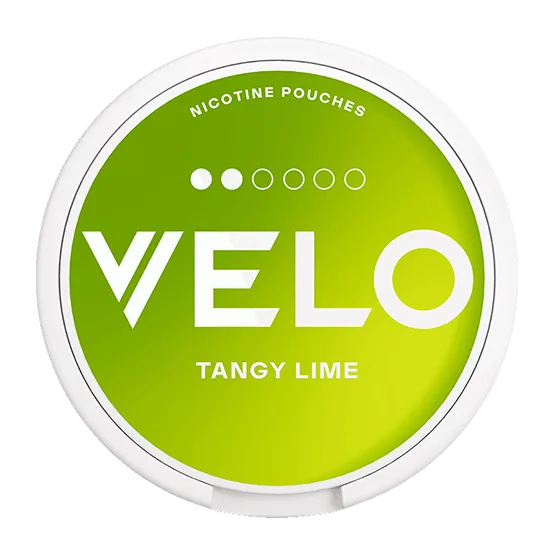
Product labels may also include ingredient lists, batch codes, and age restrictions required by the market. Packaging design often uses colour to separate flavours or strength levels, though colour systems are not standardized across brands. Readers comparing products should rely on written label information rather than colour alone.
Place among oral nicotine products
Slim nicotine pouches sit within the wider category of oral nicotine products, alongside snus, nicotine gum, lozenges, and other pouch formats. Unlike traditional snus, they do not contain tobacco. Unlike gum, they are not intended to be chewed. The pouch is placed, left in position, and removed, with the filled material kept inside the outer pouch.
Their place in the market is linked to portability and portion control. The format gives producers a way to vary size without abandoning the familiar pouch shape. It also gives retailers a clear category for products that are described as low-profile or easy to position. The terminology is descriptive, and a slim product from one producer may feel similar to a standard product from another.
As a reference subject, the slim pouch is best understood through the interaction of shape, contents, and context of use. Pouch size affects fitting. Moisture level affects texture and release. Packaging affects carrying and disposal. Discreet use follows from these features rather than from any single claim. That combination explains why the slim format is treated as a distinct category within many nicotine pouch ranges.
