Caribbean Food Denver: Best Dining Spots for Food Enthusiasts
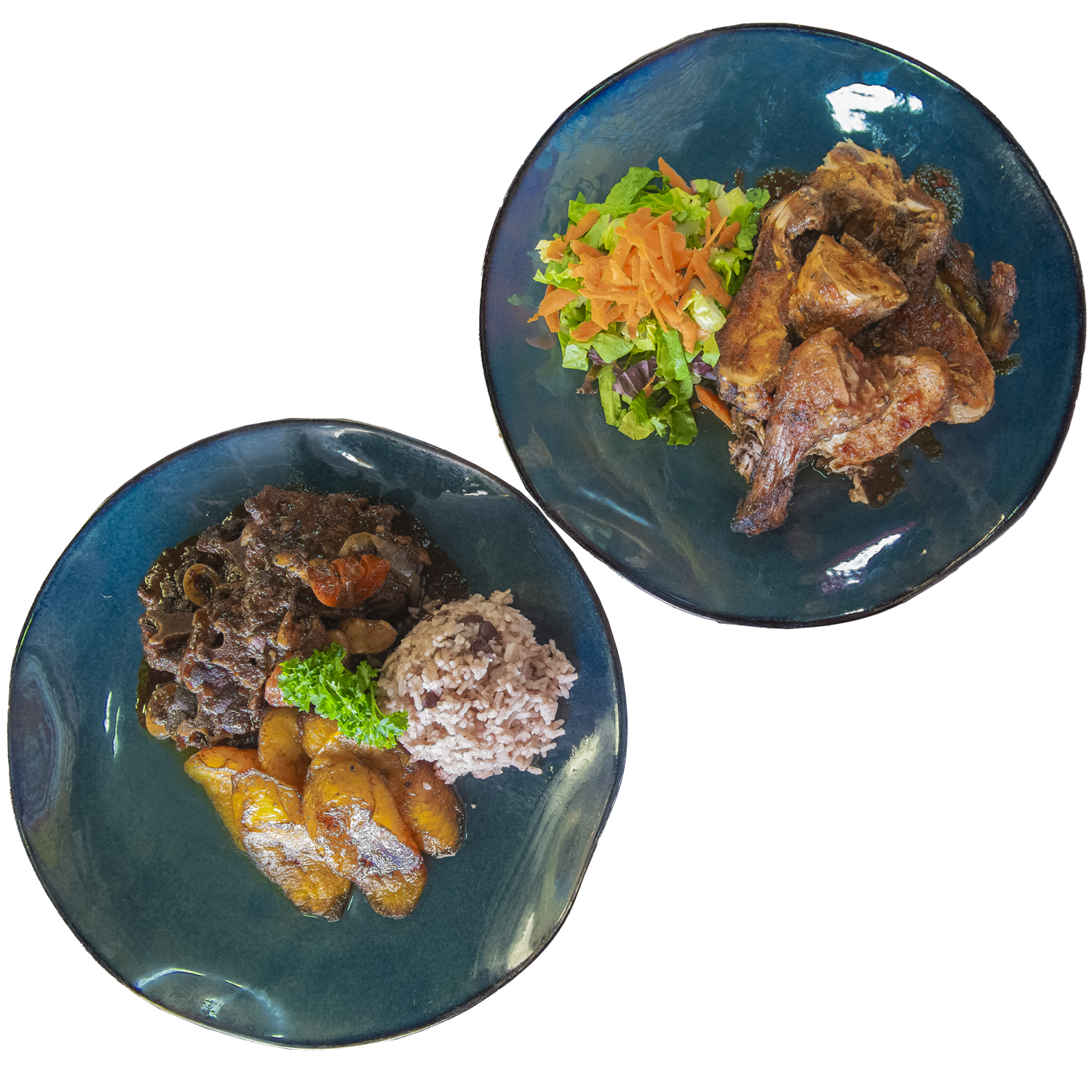
Denver does not have the largest Caribbean dining scene in the country, and that is part of what makes it interesting. You are not walking into a neighborhood where every other storefront sells patties, jerk chicken, or mofongo. You have to look a little harder, ask sharper questions, and pay attention to who is cooking with confidence instead of just borrowing island flavors for a menu blurb. For diners who care about depth, not novelty, that search is worth it.
The appeal of Caribbean food has never rested on one style. It is a broad culinary language shaped by African, Indigenous, Spanish, French, Dutch, Chinese, and South Asian influences, then filtered through island-specific ingredients, migration patterns, and local habits. Jamaican jerk, Cuban ropa vieja, Puerto Rican pernil, Trinidadian doubles, and Haitian griot all sit under the same regional umbrella, but they are not interchangeable. In a city like Denver, where food scenes often evolve through small owner-operated restaurants, pop-ups, and family-run kitchens, the best experiences usually come from places that stay grounded in one tradition and execute it well.
If you are searching for the best caribbean food denver has to offer, the first thing to understand is that Denver rewards curiosity. Some standout meals come from established dining rooms. Others come from lunch counters, casual takeout spots, or places whose dining room matters less than the aroma of allspice, thyme, garlic, and Scotch bonnet that hits you when the door opens.
What makes a Caribbean restaurant worth your time
Before getting into Denver-specific recommendations and strategies, it helps to know what separates a good Caribbean meal from a forgettable one. This cuisine depends on balance and patience. Rice and beans should have seasoning all the way through, not just color on the surface. Jerk should taste of smoke, spice, and herbs, not just heat. Oxtail should yield without falling into mush. Plantains should be caramelized or properly crisp, depending on the preparation, never tired and leathery from sitting in a steam tray too long.
Texture matters as much as flavor. One of the easiest ways to spot a kitchen that knows what it is doing is to watch how it handles the supporting cast. Rice that stays distinct, slaw with snap, flaky pastry that shatters lightly, stewed beans with body, and fried items that stay crisp for more than a minute all suggest discipline. Caribbean cooking is often discussed in broad, sunny clichés, but the reality is more exacting. These are cuisines of marinade, timing, and restraint.
Denver diners who approach Caribbean food with that in mind tend to order better and leave happier. Instead of looking for the loudest menu descriptions, look for the dishes that demand technique. Brown stew chicken can tell you more about a kitchen than an overloaded fusion taco ever will.
Denver’s Caribbean scene is small, but it has range
One practical truth about Caribbean food in Denver is that it appears in different formats. You will find full-service restaurants, fast-casual counters, sandwich shops, neighborhood grills, and occasional market-style operations with limited seating. Some places lean hard into one national cuisine, most notably Cuban or Jamaican. Others pull from the broader region and serve a menu that mixes several island influences.
That variety can be a strength if you adjust your expectations. If you are coming from South Florida, Brooklyn, or Toronto and expect block after block of island cooking, Denver will feel sparse. If you come in ready to hunt for quality, you will find meals that hold up. The city’s dining culture favors independent operators who build followings slowly, and that suits Caribbean food well. Rich braises, marinated meats, fried snacks, and deeply seasoned starches do not need gimmicks. They need repetition and care.
Cuba Cuba remains one of Denver’s most recognizable entry points
Any serious conversation about Caribbean-leaning dining in Denver usually circles back to Cuba Cuba. It has been one of the city’s best-known destinations for Cuban food, and for good reason. The restaurant’s appeal is not just that it is accessible. It is that the menu gives diners a useful cross-section of what many people hope to find when they start exploring the region: roast pork, shredded beef, rice, black beans, sweet plantains, yuca, pressed sandwiches, and cocktails that fit the setting without overwhelming the meal.
What works at a place like Cuba Cuba is approachability paired with enough kitchen discipline to keep the food from feeling generic. Cuban cuisine often gets flattened into a sandwich stereotype, but a good plate reveals much more. The attraction lies in slow-cooked meats, citrus and garlic marinades, earthy beans, and starches that are soothing without being bland. The best orders tend to be the classics. A well-made ropa vieja should have strands of beef that stay juicy while carrying tomato, pepper, onion, and spice. Lechon asado should taste of sour orange or citrus brightness against rich pork. Even a side of black beans can tell you whether the restaurant respects the foundations.
For newcomers, Cuba Cuba also serves another purpose. It provides a baseline. Once you understand how satisfying a balanced Cuban plate can be, it becomes easier to judge other restaurants, whether they are Cuban, Puerto Rican, or Jamaican. You start to notice seasoning depth, moisture, and whether a caribbean food denver Reggae Pot Jamaican Grill place is cooking for people who know the food or for people taking a casual vacation through the menu.
Casual sandwich shops can be surprisingly useful for flavor scouting
Denver’s more casual Cuban counters and sandwich-focused offshoots can be excellent places to start, especially if you are eating on a weekday or do not want a long sit-down meal. They may not deliver the full range of a broader restaurant menu, but they can reveal the kitchen’s hand quickly. A pressed Cuban sandwich sounds simple, but it demands precision. Bread needs the right crackle. Pork cannot be dry. Ham, mustard, cheese, and pickles need proportion. It is one of those dishes people underestimate because it is familiar.
When a casual Caribbean or Cuban spot does the basics well, it is often worth returning for a larger meal. The same goes for pastries, croquettes, and side dishes. Denver is a city where many people build restaurant loyalty through lunch first, then graduate to dinner. Caribbean food fits that pattern naturally. A sandwich or pastry gives you a low-risk look at a kitchen before you commit to a spread of mains and sides.
Jamaican cooking is often where Denver diners find the boldest flavors
If Cuban food offers a gentle entry point, Jamaican cooking is often what wakes people up. Proper jerk, curry goat, brown stew chicken, and oxtail have force. Not brute force, but layered force. The marinade carries thyme, scallion, allspice, Scotch bonnet, ginger, garlic, and often soy or browning. The result should be fragrant first, then spicy, then savory, with smoke or char tying everything together.
In Denver, Jamaican spots and Caribbean grills can vary widely from day to day, especially in smaller operations where staff size, prep volume, and supply shifts have an outsized effect. That is why seasoned diners learn to read the room. If the steam table looks tired late in the afternoon, order something that is moving fast. If the kitchen is pushing out fresh jerk from the grill, that is the moment to lean in.
The strongest Jamaican meals in town, when you find them, tend to come from restaurants that understand contrast. Jerk chicken should not be served alone as a dry heap of meat. It needs rice and peas that carry coconut and aromatics, cabbage or slaw for freshness, and plantains for sweetness. Curry goat should be silky and deeply spiced, with enough gravy to run into the rice. Oxtail should feel luxurious, but not greasy. These details matter because Caribbean comfort food can become heavy very fast if the kitchen loses control of seasoning or texture.
Why side dishes matter more here than in many other cuisines
One pattern I have seen with diners new to Caribbean food is that they focus almost entirely on the protein. That is understandable, but it leaves half the pleasure on the table. In Caribbean cooking, sides are not filler. They are structural.
Rice and peas, black beans, pigeon peas, fried sweet plantains, tostones, cassava, macaroni pie, cabbage, and slaws all help build the meal’s rhythm. A rich meat stew without a good starch can feel flat. A spicy jerk plate without something sweet or cooling beside it can wear you out by the sixth bite. Great Caribbean restaurants understand this instinctively.
If a Denver restaurant takes care with its sides, it usually takes care with the rest. I pay attention to plantains in particular because they reveal a kitchen’s timing and habits. Sweet plantains should be deeply caramelized at the edges with a custardy center, not pale and starchy. Tostones should be crisp and salted while hot. Beans should have body. These are small details, but they separate places that merely serve Caribbean food from places that cook it with intention.
The city’s best Caribbean meals are not always formal “date-night” restaurants
Food enthusiasts sometimes make the mistake of equating a polished dining room with culinary seriousness. Caribbean food does not work that way. Some of the best plates come in foam containers, with a handwritten special taped near the register and a cooler of bottled drinks humming in the corner. Denver is no exception.
This matters because a lot of island cooking is built around volume, daily repetition, and family-style habits. A small neighborhood restaurant may produce a better braise than a trendier concept because it cooks the same dish every week, for customers who will notice if the seasoning slips. In practical terms, this means you should not dismiss humble-looking spots, particularly when the menu is focused and the aromas are right.
At the same time, casual does not excuse inconsistency. If the chicken is dry, the patties are stale, or the curry tastes thin, the format does not save the food. Denver has enough strong operators across many cuisines that you should still expect standards. A modest setting can be part of the charm. Sloppy cooking should not be.
How to order if you are trying a new spot for the first time
The smartest first order at a Caribbean restaurant usually mixes one signature dish with one or two foundational sides. You want to understand both the headline flavor and the kitchen’s fundamentals. That gives you far more useful information than ordering a novelty item built to attract attention on social media.
Here is a practical first-visit approach that rarely fails:
- Choose one house specialty, such as jerk chicken, ropa vieja, or curry goat.
- Add the standard starches the restaurant is known for, whether that is rice and peas, black beans, yuca, or plantains.
- If pastries or patties are available and look fresh, add one as a test of technique.
- Ask what sells out first on busy days, because regular customers usually point you toward the strongest item.
- Save the fusion dishes for a second visit, once you know the kitchen can handle the classics.
That method works especially well in Denver because menus can be broad while kitchen strengths remain narrow. A restaurant may offer sandwiches, bowls, fried snacks, and composed entrees, but the dishes with the deepest roots are often the most reliable.
Denver diners should keep an eye on specials, festivals, and pop-ups
One of the most rewarding ways to find excellent caribbean food denver diners talk about quietly is through temporary events. Pop-ups, cultural festivals, brewery collaborations, and market stalls often showcase cooks who do not operate a traditional restaurant full time. In many cities, Caribbean food thrives in these in-between spaces, and Denver has enough food-curious energy to support them.
The advantage of these events is freshness and focus. A pop-up might offer only three or four dishes, but each one is likely cooked with care because the menu is tight. You also get a chance to try styles that may be underrepresented in permanent restaurants, such as Trinidadian street food, Haitian specialties, or home-style Dominican dishes.
The trade-off is inconsistency of access. A brilliant plate at a summer market does not help much if you are planning a Tuesday dinner in November. Still, anyone serious about the local scene should pay attention to event calendars, community food gatherings, and chefs using residency spaces. In a developing category like Caribbean food in Denver, these temporary formats often show where the scene is headed next.
What food enthusiasts should taste beyond the obvious
Most people start with jerk chicken or a Cuban sandwich, and there is nothing wrong with that. Both are classics for a reason. But if you want a fuller picture of Caribbean cooking, it helps to branch out.
Beef patties are one of the easiest tells. A good one should have a flaky shell with enough fat in the dough to feel tender, and a filling that is savory and properly spiced. Oxtail, when available, is worth the splurge if the restaurant handles braises well. It is often expensive because the cut itself has become costly, but a properly made version delivers gelatin-rich depth you do not get from leaner meats. Escovitch fish, where available, offers another side of the region, sharp with vinegar, vegetables, and heat.
Vegetarian diners have more options than many assume. Beans, rice, stewed vegetables, fried plantains, yuca, and some curries can form an excellent meal, though it is always worth confirming whether broths or seasonings contain meat. Caribbean kitchens often build flavor in ways that are not visible on the plate. Asking clearly is better than guessing.
Service style can shape the experience, and that is not a flaw
Another useful adjustment for Denver diners is to let the restaurant set the tempo. Caribbean establishments, particularly family-run ones, may move at a pace that reflects the kitchen’s realities rather than the expectations of a tightly choreographed downtown dining room. That does not mean service is poor. It often means food is being cooked in batches, staff are handling multiple roles, or the room is operating with a level of informality that regulars understand.
For food enthusiasts, this is usually a feature, not a problem. If the kitchen is taking the time to finish a fresh batch of stew chicken or fry plantains to order, I would rather wait an extra ten minutes than get a rushed plate that has been sitting under heat lamps. The key is to read intent. Warm, direct service and honest communication go a long way. So does ordering with some flexibility when a menu item is sold out. In many Caribbean restaurants, sellouts are a sign that people came for the right dishes.
The atmosphere matters, but flavor matters more
It is easy to get distracted by décor when talking about regional food. Tropical colors, rum cocktails, reggae playlists, and patio energy can all be enjoyable. In Denver, where atmosphere often helps restaurants stand out, this becomes part of the draw. But for anyone seriously seeking the best Caribbean food, the room should remain secondary.
I have eaten memorable Caribbean meals in cheerful dining rooms and in spaces so plain they almost disappeared. The meals that stick are the ones where the seasoning felt lived-in, where the cabbage had bite, where the beans tasted like they had been cooking long enough to matter, and where the chicken carried smoke under the spice. The good restaurants know this. They may decorate generously or barely at all, but the real seduction is always on the plate.
A few habits that help you find the best meals consistently
Denver’s Caribbean dining scene rewards repeat visitors who pay attention. The best strategy is not to chase a single “best restaurant” label, because the category is too varied for that to be useful. Instead, build a short list of places that do one thing exceptionally well and visit them at the right times.
The habits that tend to work are simple:
- Go during busy service windows, when turnover is high and food is freshest.
- Ask staff what they would eat that day, rather than what sounds most familiar to you.
- Notice whether regulars are ordering full plates, pastries, or family-style takeout.
- Revisit the places that get the fundamentals right, even if the dining room is modest.
- Stay open to temporary vendors and pop-ups, because they often deliver the most distinctive cooking.
These are not glamorous tactics, but they are effective. They also reflect how experienced eaters usually navigate small but promising food scenes.
Where Caribbean food in Denver stands now
Caribbean cuisine in Denver is still better described as emerging than fully entrenched. That can be frustrating if you want endless choice, but it also means the scene feels personal. Restaurants live or die on repeat business, not trend cycles alone. A cook making careful jerk or a restaurant serving deeply flavored Cuban staples can still build a loyal audience one plate at a time.
For food enthusiasts, that creates a satisfying kind of work. You are not just consuming a polished, overexposed dining category. You are learning how a city absorbs a cuisine, which traditions gain traction, and where the most honest expressions appear. Sometimes that means sitting down at a well-known Cuban restaurant. Sometimes it means grabbing a patty from a counter that barely advertises itself. Sometimes it means showing up for a one-day pop-up because somebody’s auntie is cooking a dish you almost never see on regular menus.
That is the real pleasure of seeking out caribbean food denver diners should know about. It is not only about finding heat, sweetness, smoke, and comfort, though you will find all of those. It is about recognizing the restaurants and cooks who treat Caribbean food as a living tradition rather than an aesthetic. When you find them, order generously, go back often, and bring someone hungry.
Reggae Pot Jamaican Grill
2243 S Monaco St Pkwy, Suite 104
Denver, CO 80222
(720) 410-2956
FAQ About caribbean food denver
What is a typical Caribbean meal?
Caribbean cuisines vary by island. A Jamaican meal might pair jerk chicken or oxtail with sides such as rice and peas, cabbage, or fried plantains.
What is Jamaica’s national dish?
Ackee and saltfish is widely recognized as Jamaica’s national dish. Check the current menu for availability.
Is Caribbean jerk the same as Jamaican jerk?
Jerk is a Jamaican cooking tradition associated with seasoning and slow cooking or grilling. The exact heat level and preparation vary by cook.
