Leak testing preparation for swimming pools
Leak testing preparation for swimming pools is the process of verifying that a pool's structure, plumbing, and equipment are ready for an accurate diagnostic evaluation. This preparation involves checking access points, confirming that testing equipment can be used without interference, and documenting any visible signs of water loss before a leak analyzer is deployed. The goal is to ensure that the conditions under which a test is conducted reflect the pool's normal operating state, so that the results can support a reliable repair estimate. Because professional pool leak testing often relies on pressure tests, dye tests, or electronic listening devices, the site and the pool must be prepared in ways that vary with the pool's construction, age, and surrounding landscape.
Pool owners and service providers alike benefit from understanding what factors affect the reliability of a leak test. The presence of debris in the water, a recently filled pool, or ongoing chemical treatments can all influence readings. Similarly, the condition of the pool's surface, the accessibility of underground plumbing lines, and the presence of water features such as fountains or waterfalls can change how a test is performed. Knowing these variables ahead of time allows the technician to choose the most suitable method and to interpret the results correctly.
Factors that influence leak testing
The accuracy of a leak test depends on several physical and environmental conditions. The pool's water temperature, for example, can affect the pressure inside plumbing lines. A pool that has been drained and refilled may contain air pockets that interfere with pressure tests. The water loss rate, measured over a period of several days, is often used to determine whether a leak is present and how serious it is. For this reason, it is common to check the water level daily before scheduling a formal test. An accurate measurement of pool water loss over a period of 24 to 48 hours can confirm whether the loss is within normal evaporation ranges or indicates a structural or plumbing issue.
The type of pool structure also matters. Concrete pools with gunite or plaster surfaces may develop cracks that are not visible from the deck. Vinyl liner pools can have tears at the seams or around fittings. Fiberglass pools may develop stress cracks near the skimmer or returns. Each material requires a different inspection approach, and the preparation for a test must account for these differences. A leak analyzer that works well on a concrete pool may not be effective on a vinyl liner if the access points are different.
Access points and inspection scope
Before a technician arrives, it is helpful to identify and clear all access points to the pool's equipment and plumbing. This includes the pump and filter area, any valve boxes, and the skimmer and return fittings. If the pool has underground plumbing, the location of the pipes and any known shut-off valves should be accessible. Overgrown landscaping, stored equipment, or recent construction debris can delay the inspection and may prevent the technician from reaching critical components.

The inspection scope refers to what parts of the pool system will be tested. A basic test might cover only the main circulation loop: the pump, filter, heater, and return lines. A more comprehensive test can include spa jets, waterfalls, fountains, solar heating panels, and even the pool's main drain. The preparation for each type of test differs. For example, testing a spa's air blower requires that the spa be filled to a specific level and that the blower be turned off. Testing a solar heating system may require that the panels be drained first. Knowing the scope ahead of time helps the pool owner or manager prepare the site and the equipment.
Testing equipment and its requirements
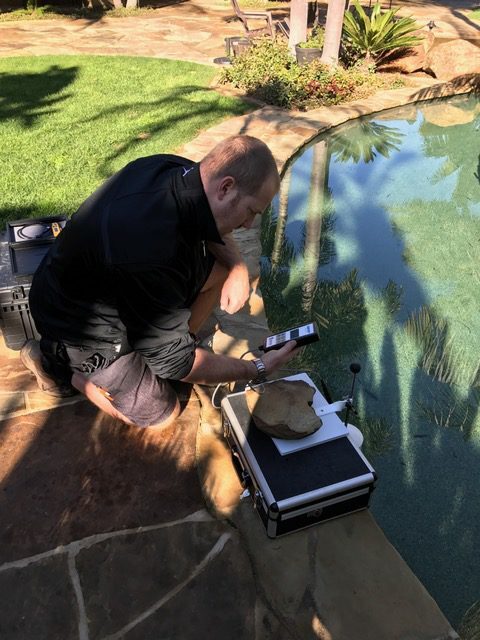
Professional pool leak testing uses several types of equipment, each with its own preparation needs. A pressure test, for example, requires that the plumbing lines be isolated from the pool's circulation system. This often involves plugging the skimmer and return fittings and attaching a pressure gauge and air compressor to the lines. The technician needs to know which lines are in use and whether any valves are closed or broken. An electronic listening device, or leak analyzer, detects the sound of water escaping from a pipe. This device works best when the pool is quiet and the water is still. Pumps, filters, and other equipment should be turned off, and any fountains or waterfalls should be stopped during the test.
Dye testing is another common method. A small amount of dye is released near a suspected leak, and the technician observes whether the dye is pulled into a crack or gap. For this test to work, the water must be clear and the pool surface must be clean. Algae, debris, or chemical residue can obscure the dye's movement. Preparing the pool for a dye test may involve brushing the walls and floor, running the filter for a few hours, and then turning off all circulation before the test begins.
Water chemistry and clarity
The condition of the pool water affects the reliability of many leak tests. Cloudy water makes it difficult to see dye movement or to spot cracks in the pool's surface. High levels of chlorine or other sanitizers can interfere with electronic sensors. It is common practice to balance the water chemistry before a scheduled test. This means adjusting pH, alkalinity, and sanitizer levels to within normal ranges. The water should also be clear enough to see the bottom of the pool in the deep end. If the pool has been treated with algaecides or flocculants shortly before a test, the residue may affect dye behavior or pressure readings.
Repair estimate considerations
The results of a leak test are used to produce a repair estimate. The estimate covers the cost of materials and labor needed to fix the identified leaks. However, the accuracy of the estimate depends on how well the test conditions matched the pool's normal operation. An accurate measurement of pool water loss is essential for estimating the severity of a leak. If the test was conducted when the pool was unusually full or empty, or when the pump was running on a different schedule, the estimate may be off. Similarly, if the test did not include all potential leak points, such as the spa or the water feature plumbing, the repair may be incomplete.
For this reason, it is common for technicians to discuss the inspection scope with the pool owner before the test. The discussion covers which parts of the system will be tested, what preparation is needed, and what the test results are expected to show. The technician may also ask about recent repairs, changes to the pool's equipment, or unusual behavior such as air in the pump basket or bubbles in the return jets. All of this information helps the technician choose the right equipment and interpret the results correctly.
Environmental and seasonal factors
The time of year and the local climate can affect leak testing. In colder months, pool water may be colder than usual, which can change the pressure in underground pipes. In areas with high groundwater, the pressure outside the pipes can be different from the pressure inside, making it harder to detect a leak. Wind and rain can interfere with dye tests by moving the water surface or diluting the dye. For these reasons, many technicians prefer to conduct tests during calm, dry weather when the pool has been operating normally for at least a few days.
Seasonal changes also affect the pool's water level. In summer, evaporation is higher, and the water loss rate may be mistaken for a leak. In winter, the pool may be covered, which reduces evaporation but can also hide signs of a leak. The preparation for a test should account for these seasonal variations. A technician may ask the pool owner to keep a log of water additions over a week or two before the test. This log helps distinguish between normal water loss and a leak.
Communication and documentation
Before a leak test begins, the technician and the pool owner should agree on what will be tested and how the results will be reported. The technician may provide a checklist of items to prepare, such as turning off the pump, removing pool covers, and clearing the equipment area. The pool owner should also provide any relevant history, such as previous repairs, known problem areas, or changes to the pool's water level. This information is often recorded in a work order or service agreement.
Documentation of the test results is important for future reference. The technician may take photos of the test setup, record pressure readings, and note the location of any detected leaks. This documentation supports the repair estimate and can be used if the leak reappears later. Pool owners who keep a record of their pool's maintenance and testing history are better able to track recurring issues and to plan for future repairs.
