Seasonal outdoor comfort considerations for families
Seasonal outdoor comfort for families refers to the range of factors that affect how pleasant and safe an outing remains across different weather conditions. These factors include temperature, sunlight, moisture, wind, and the presence of insects, and they vary significantly between spring, summer, autumn, and winter. A family that plans an outdoor activity in a place such as Chattanooga, where parks and trails are abundant, benefits from understanding how each season changes the experience. The subject covers the main elements that influence comfort, hydration, sun protection, layers, insect repellent, snacks, first aid, rest breaks, and the heat index, and how they interact with the environment. This entry describes those elements, the conditions under which they matter most, and the general principles that apply across climates and regions.
Outdoor comfort depends on more than the weather forecast. The duration of the activity, the age and health of family members, the terrain, and the availability of shade or shelter all play a part. A short walk on a mild day requires little preparation, while a full-day hike in summer heat demands attention to several factors at once. Families who spend time outdoors regularly often develop routines that address these variables without conscious effort. For those new to an area or to outdoor recreation, understanding the basic components of comfort can make the difference between a memorable outing and an unpleasant one.
Temperature regulation
The body maintains a stable internal temperature through a combination of heat production and heat loss. In cool weather, the body loses heat to the surrounding air, and in warm weather, it gains heat from the sun and from physical activity. The heat index, which combines air temperature with humidity, gives a more accurate sense of how hot it feels than temperature alone. High humidity reduces the body's ability to cool itself through sweat evaporation, increasing the risk of heat-related illness. In cold conditions, wind chill accelerates heat loss, making temperatures feel lower than they are.
Layers
Adjusting clothing is the most direct way to manage body temperature. A layering system typically includes a base layer that wicks moisture away from the skin, an insulating middle layer that traps heat, and an outer shell that protects against wind and rain. The number and thickness of layers depend on the season and the level of activity. During high-exertion activities such as hiking uphill, a person generates more heat and may need fewer layers than when standing still. Removing or adding layers as conditions change helps keep the body in a comfortable range. For children, who have a larger surface area relative to their mass and may not regulate temperature as effectively, extra attention to layers is useful.

Hydration
Water is essential for temperature regulation, digestion, and muscle function. During outdoor activity, the body loses water through sweat and respiration, and this loss must be replaced to avoid dehydration. The need for water increases with temperature, humidity, and exertion. In hot weather, thirst is not always a reliable indicator of how much water is needed; by the time a person feels thirsty, they may already be mildly dehydrated. Carrying an adequate supply of water for each family member and drinking at regular intervals helps maintain hydration levels. In very hot conditions, electrolyte drinks can replace salts lost through sweat. In cold weather, the body still loses water through breathing and sweat, though the sensation of thirst is often weaker. Maintaining hydration in winter is as important as in summer.
Sun protection
Exposure to ultraviolet radiation from the sun can cause sunburn, eye damage, and long-term skin damage. The sun's intensity is greatest between late morning and early afternoon, and it is stronger at higher altitudes and near reflective surfaces such as water or snow. Sun protection involves a combination of strategies: using broad-spectrum sunscreen with a high SPF, wearing protective clothing including hats and sunglasses, and seeking shade during the peak hours of sunlight. Sunscreen should be applied to all exposed skin and reapplied after swimming or heavy sweating. For infants and young children, whose skin is more sensitive, physical barriers such as clothing and shade are especially important.
Insect repellent
Insects such as mosquitoes, ticks, and flies are more active in warm weather and can make outdoor time uncomfortable. They also carry diseases such as Lyme disease and West Nile virus, though the risk varies by region. Insect repellents containing DEET, picaridin, or oil of lemon eucalyptus are effective at reducing bites. The choice of repellent depends on the age of the family members and the duration of exposure. Permethrin-treated clothing provides additional protection for those who spend extended time in wooded or grassy areas. Checking for ticks after outdoor activity and removing them promptly reduces the risk of disease. In areas with high mosquito activity, wearing long sleeves and pants in the evening can help.
Snacks and nutrition
Physical activity outdoors increases energy expenditure. Having food available helps maintain blood sugar levels and provides energy for continued activity. Easy-to-carry items such as trail mix, fruit, granola bars, and sandwiches are common choices. The type of snack depends on the length of the outing and the availability of refrigeration. In hot weather, perishable foods spoil quickly and should be kept cool or consumed early. In cold weather, high-calorie foods help maintain body heat. Eating small amounts frequently rather than one large meal can prevent discomfort and maintain energy levels.

First aid
Minor injuries and illnesses can occur during outdoor activities. A basic first aid kit should include adhesive bandages, antiseptic wipes, tweezers, pain relievers, and supplies for treating blisters. More extensive kits may include elastic bandages, scissors, and a thermal blanket. Knowing how to treat common issues such as cuts, insect stings, and sprains is useful. For families with members who have allergies or medical conditions, carrying appropriate medications such as antihistamines or epinephrine auto-injectors is important. First aid training is not a requirement for carrying a kit, but familiarity with the contents and their use increases its value.
Rest breaks
Continuous activity without rest can lead to fatigue, reduced coordination, and increased risk of injury. Short breaks allow the body to recover, hydrate, and refuel. The frequency and duration of breaks depend on the intensity of the activity and the fitness level of the participants. For children, who have shorter attention spans and less endurance, more frequent breaks may be needed. Rest breaks also provide an opportunity to assess conditions such as temperature, sun exposure, and the general well-being of the group. In very hot weather, finding shade during breaks can help lower body temperature and reduce the risk of heat exhaustion.
Seasonal considerations
Each season brings its own set of comfort factors. In spring, temperatures are mild but rain is common, so waterproof clothing and extra layers are useful. Allergies to pollen can affect some family members, and checking the pollen count may influence the choice of location. Summer brings high temperatures, intense sun, and more insects. The heat index often exceeds the air temperature in humid climates, making hydration and rest breaks especially important. Autumn offers cooler temperatures and fewer insects, but shorter daylight hours mean that activities should be timed to finish before dark. Winter requires attention to cold and wind, and in snowy conditions, traction on footwear becomes a concern. Frostbite and hypothermia are risks in extreme cold, though they are rare in most recreational settings.
The concept of comfortable plans for family adventures is not a single formula but a set of principles that adapt to each situation. A family that understands how temperature, hydration, sun, insects, food, first aid, and rest interact can adjust their preparations for any season. The same principles apply whether the outing is a short walk in a city park or a full day at a state park. The goal is to minimize discomfort and risk so that the focus remains on the experience itself.
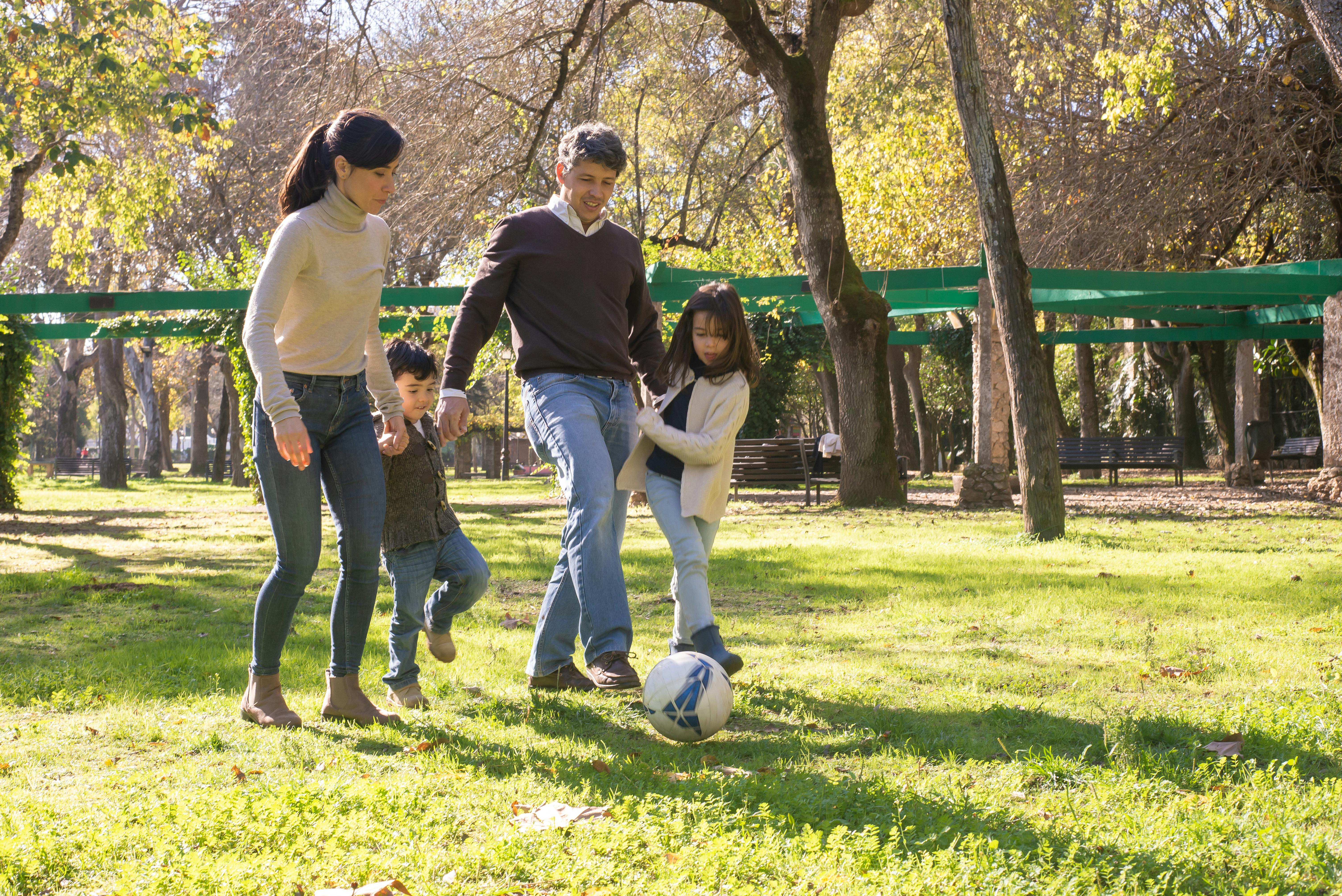
In Chattanooga, where the landscape includes riverfronts, mountain trails, and urban green spaces, the range of possible outings is wide. The heat index in summer can be high, while winter temperatures are cold enough to require layers but rarely extreme. The area supports outdoor activity throughout the year, and families who visit regularly develop a sense of what works for their own members. The information in this entry provides a framework for thinking about comfort, but the specifics depend on the individuals involved, the activity chosen, and the conditions on the day. Making comfortable plans for family adventures means considering these variables ahead of time and remaining flexible enough to adjust during the outing.
