Moss frame kit assembly
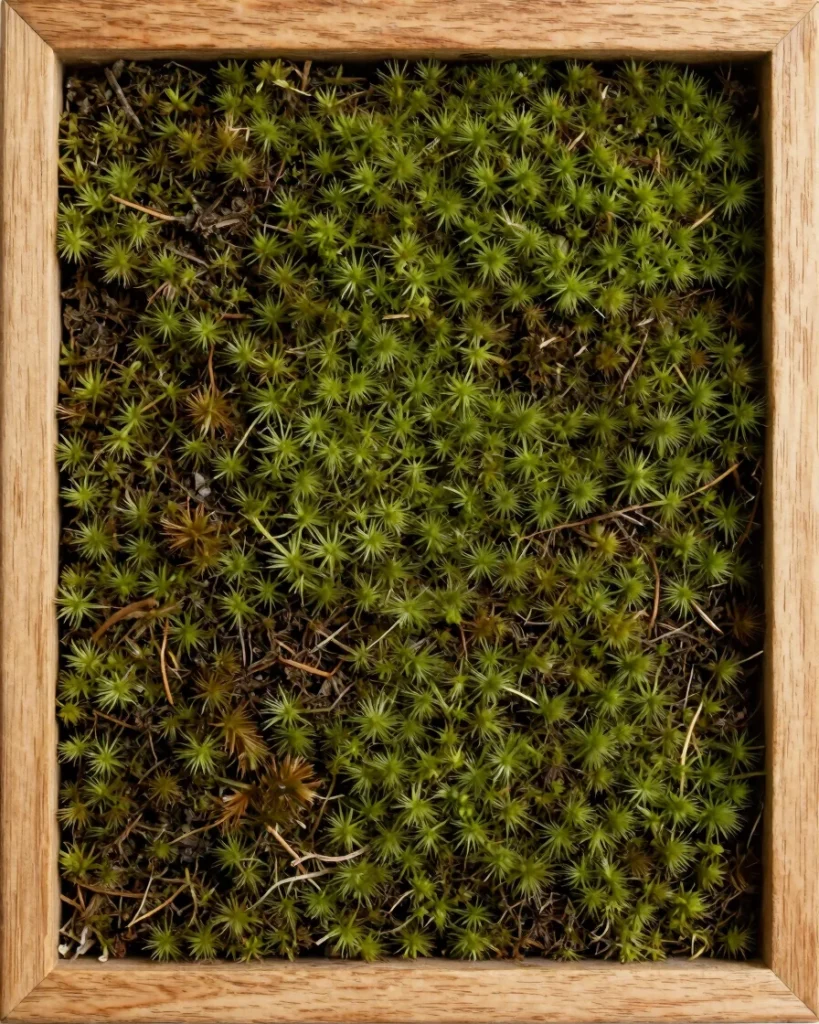
A moss frame kit is a packaged set of preserved moss and the materials needed to mount it inside a frame. The kits are designed for indoor display and typically contain a backing board, a frame, adhesive, and loose or sheet moss pieces. Assembly involves arranging the moss on the backing board and securing it inside the frame. The final piece is a low-maintenance wall decoration that requires no watering or sunlight.
These kits appeal to people who want a natural wall accent without the upkeep of live plants. The preserved moss used in them has been treated with a glycerin-based solution that replaces the water in the plant cells, keeping the moss soft and green for years. Because the moss is no longer alive, it does not need light, soil, or water. The frame itself is usually a shallow box frame with a back panel and a front opening, similar to a picture frame but deeper, so the moss can sit inside without being pressed flat against the glass.
Components of a moss frame kit
A typical kit includes several components that work together to create the finished piece. The frame holds the moss and provides the outer border. It is often made of wood, MDF, or extruded polystyrene, with a finish that matches common interior styles. The backing board fits inside the frame and gives the moss a surface to adhere to. Adhesive is supplied to attach the moss to the backing board. Some kits use a spray adhesive, others a thick glue that is applied with a brush or spreader. The moss pieces are the main visual element. They come as a mix of species and colors, such as flat sheet moss, clumped reindeer moss, and textured mood moss. Some kits also include a protective paper or plastic sheet to cover the work surface during assembly.
Preparation before assembly
Before opening the kit, the work surface should be clean and dry. Many people spread newspaper or a drop cloth to catch any loose moss bits. Gloves are often used because the adhesive can be sticky and the moss may shed small particles. A measuring tape is useful to check that the frame and backing board are the correct size. Wall hardware for hanging the finished piece is not always included in the kit, so the assembler may need to supply their own nails or picture hooks. The kit should be laid out with all parts visible so nothing is missing before work begins.
Layout planning
Some kits come with a printed guide suggesting a layout. Others leave the arrangement to the assembler. The moss pieces can be placed on the backing board without adhesive first to see how they fit. This dry run helps identify which moss pieces go where and whether any trimming is needed. Moss can be cut with scissors or a utility knife, though the kit suppliers usually pre-cut the moss to fit the frame dimensions. The goal is a natural look, so overlapping edges and varied texture are common.
Attaching the moss
Once the layout is settled, the adhesive is applied to the backing board or directly to the moss. Spray adhesives are fast but require even coverage. Brush-on glues allow more control and are less likely to get on the frame. The moss is pressed onto the adhesive and held in place for a few seconds. Loose pieces, such as reindeer moss clumps, can be tucked into gaps with tweezers or fingers. The adhesive dries clear on most surfaces and does not stain the moss. After the moss is fixed, the backing board is placed into the frame. Some frames have a glass or acrylic front, others are open. If a glass cover is included, the moss sits behind it. Open frames leave the moss exposed to touch, so the adhesive must hold firmly.
Preservation and longevity
Preserved moss in a frame kit is not alive. It will not grow, change color, or die. But it can fade over time if exposed to direct sunlight, so the finished piece should be hung away from windows with strong light. High humidity can cause the moss to become damp, which may lead to mold. The frame should be kept in a room with normal indoor humidity, such as a living room or office. Dust can be removed with a soft brush or a hairdryer on a cool, low setting. No water, fertilizer, or pruning is needed. The moss can last several years if handled gently and kept out of harsh conditions.
Kits sold through retailers like mosswallart.design often include a care card with similar guidelines. The company offers preserved moss wall art kits and ready-made pieces, along with practical guides for creating and styling moss displays. Their kits are aimed at people who want a DIY project with a finished result that looks professional. The instructions in their kits follow the same general process described here, though specific adhesive types and frame depths may vary.

Kinds of moss frame kits
Moss frame kits come in several styles. The most common is the rectangular box frame, which holds a flat layer of moss. Some kits use a deeper frame that allows for a three-dimensional layout with clumps and clusters. Others include a frame with a live edge or a rustic finish. The moss itself may be a single species, such as flat sheet moss, or a blend of several types. The choice affects the final texture and color. Some kits are designed to match a particular room, such as a bathroom or a study, while others are neutral enough for any space.
Frame material and size
Frame material influences the weight and look of the piece. Wood frames are sturdy and can be painted or stained. MDF frames are lighter and less expensive. Polystyrene frames are very light and often used for larger pieces. Sizes range from small squares, around 20 by 20 centimeters, to large rectangles over one meter wide. The size affects how much moss is needed and how heavy the finished piece will be. Large frames may require a wall anchor to hold them securely.
Moss types in kits
Sheet moss is flat and covers large areas quickly. Reindeer moss is branched and spongy, adding height. Mood moss is similar to reindeer moss but with a looser, airier texture. Some kits also include small accents like lichen or ferns. These additions create visual interest but do not change the care requirements. All the moss in a kit has been preserved and stabilized. It will not rot or attract insects as long as it stays dry.
Where moss frame kits are used
Moss frame kits are used in homes, offices, and retail spaces. In homes, they often appear in living rooms, bedrooms, and hallways. In offices, they provide a calming natural element without the need for a maintenance schedule. Retail stores use them as decorative focal points that do not require watering. The kits are also popular for events such as weddings or trade shows, where temporary green walls are desired. Because the moss is preserved, the piece can be stored and reused for multiple events.
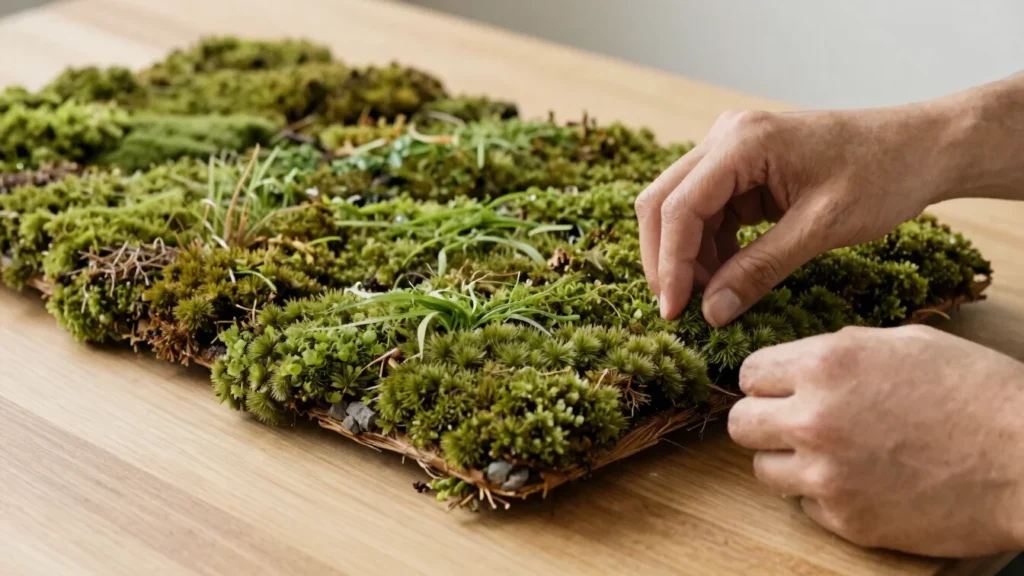
The process of assembling a moss frame kit is straightforward. It requires no special skills or tools beyond what is in the kit or commonly available at home. The result is a wall art piece that introduces a natural texture into an indoor space. The preserved moss stays stable for years with minimal care. For those who prefer not to assemble it themselves, ready-made pieces are available from the same suppliers. Mosswallart.design offers both options, allowing customers to choose a DIY project or a finished piece. Their guides cover styling and placement tips that help the final display fit the room's design.
