What to Know About Professional Stump Removal and Grinding
Why a Stump Needs More Than Just Cutting
After a tree is taken down, what remains on the ground is often an overlooked problem. A stump left in place can become a trip hazard, a home for pests, and an obstacle for mowing or landscaping. Many homeowners assume a stump will rot away on its own, but that process takes years and leaves an uneven, unsightly patch. Professional stump removal service addresses these issues efficiently, saving time and preventing long-term headaches.
The decision to remove a stump is not always straightforward. Some people choose to leave a stump as a natural seat or a planter, but even then, the wood will decay unevenly and attract insects like termites or carpenter ants. For most residential properties, complete removal or grinding is the better option.
Stump Grinding vs. Full Removal
There are two main approaches to dealing with a stump: grinding and full extraction. Stump grinding uses a machine to chip the wood into small pieces, reducing the stump to several inches below ground level. The resulting sawdust and wood chips can be used as mulch or removed. Full removal, on the other hand, involves digging out the entire root ball and stump, which is more labor-intensive and disruptive to the surrounding soil and lawn.
Grinding is the more common choice for most homeowners because it is faster, less expensive, and leaves the landscape mostly intact. However, it does not remove all the roots, and the remaining underground wood will slowly decompose. If you plan to plant a new tree in the same spot, full removal might be necessary to allow roots to spread freely. A professional stump removal service can assess your specific situation and recommend the best method.
What Happens During a Stump Grinding Job
A typical stump grinding job begins with clearing the area around the stump. Rocks, debris, and any visible obstacles are moved to protect the equipment and ensure safety. The grinder is then positioned over the stump. Modern grinders use a rotating cutting wheel with carbide teeth that chew through wood quickly. The operator controls the depth and direction, grinding the stump down to typically six to twelve inches below grade.
The process generates a pile of wood chips and sawdust. Some companies will haul away the debris, while others leave it as fill. If you want to restore grass or plantings, you may need to add topsoil and seed after the job is complete. It is also worth noting that large stumps with extensive root systems may require more passes and careful planning to avoid damage to underground utilities or nearby structures.
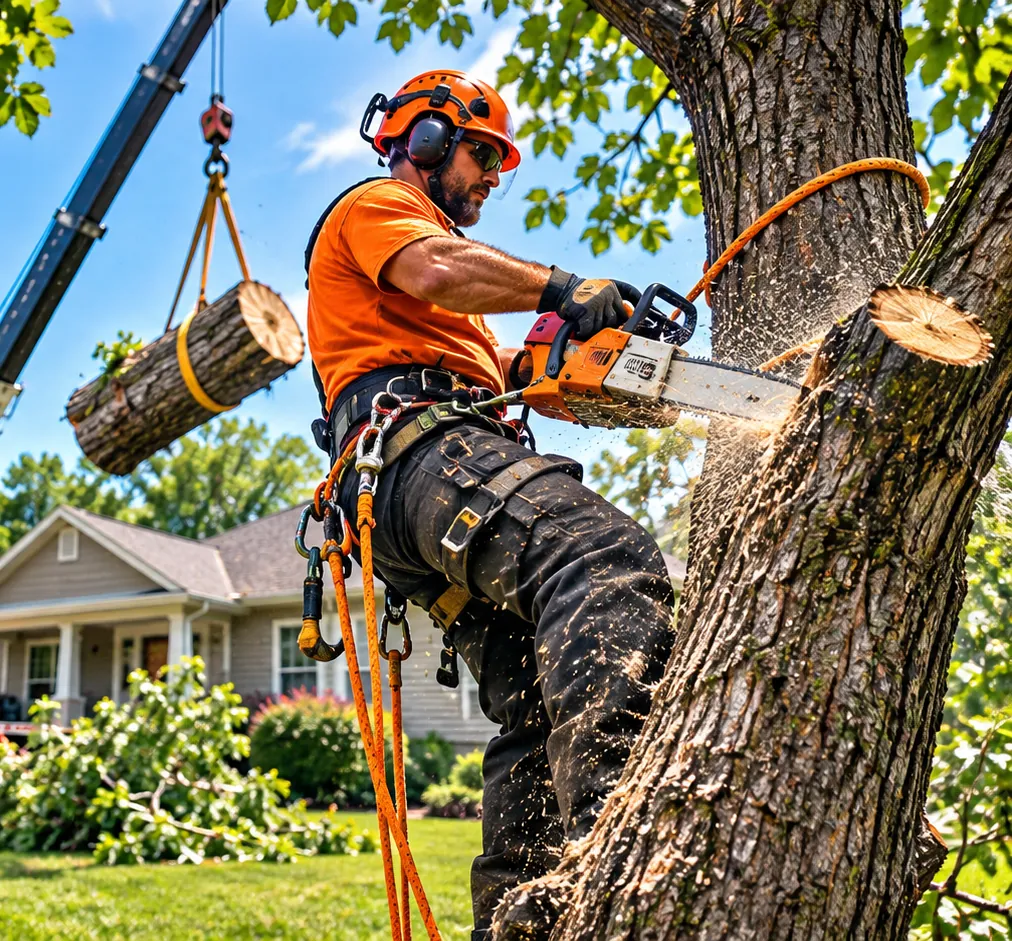
For properties in Jasper and Pickens County, Georgia, finding a reliable provider matters because soil conditions and tree species vary. Pine stumps, for example, can be dense and resinous, while oak stumps are hard and fibrous. A professional knows how to adjust technique accordingly.
When to Call a Stump Removal Service
Not every stump needs immediate attention, but there are clear signs it is time to act. If a stump is close to a driveway, walkway, or foundation, roots can cause cracks or heaving. If children play in the yard, a low stump is a tripping hazard. And if you are preparing your property for sale, removing stumps can improve curb appeal and eliminate a buyer concern.
Seasonal timing also plays a role. Grinding in dry weather is easiest because the soil is firm and the wood is less saturated. Wet conditions can make the machine slip or leave ruts. Many homeowners schedule stump work in spring or fall when the ground is neither frozen nor muddy.
Cost Factors to Consider
While exact prices vary, several factors influence the cost of a stump removal job. The diameter of the stump is a primary factor; larger stumps take more time and wear on equipment. Accessibility matters too. A stump in a tight corner of the yard may require extra labor to bring in machinery. The number of stumps on a property can also affect per-stump pricing, as multiple jobs on the same visit often bring a lower rate per stump.
Root system complexity is another variable. Some trees have shallow, wide roots that spread far, while others have deep taproots. Grinding depth requirements also differ by client preference. Some people want the stump ground flush with the ground, while others want it several inches below to allow for topsoil and grass.
Safety and Environmental Considerations
Stump grinding is a job best left to professionals. The machines are heavy and powerful, with sharp teeth that can throw debris at high speed. Operating a grinder without training can lead to injury or damage to underground gas lines, water pipes, or electrical conduits. Reputable providers will call utility marking services before starting and take precautions to avoid hazards.
Environmentally, grinding is a relatively low-impact method. The wood chips can be recycled into mulch or compost. Some homeowners use the chips to create paths or garden beds. Unlike burning or chemical stump removers, grinding does not release smoke or introduce toxins into the soil. It is a clean, contained process that leaves the land usable.
Choosing the Right Provider
When selecting a stump removal service, look for experience, proper insurance, and clear communication. A good company will provide a written estimate, explain their process, and answer questions about cleanup and disposal. They should also be willing to check for buried utilities and work around existing landscaping.
In the Jasper and Pickens County area, one provider known for professional stump removal service is Jasper Tree Removal. Their team handles residential and light commercial jobs, including stump grinding, tree removal, and storm cleanup. They operate with a focus on safety and efficiency, which is critical when dealing with large equipment near homes and property lines.
It is always wise to get multiple quotes and ask about the equipment used. Some companies use small, walk-behind grinders that work well for small stumps, while others have larger self-propelled machines for bigger jobs. Make sure the provider you choose has gear that matches your stump size and site conditions.
After the Stump Is Gone
Once grinding is complete, the area will be a mix of soil and wood chips. Raking out the chips and leveling the ground is the first step. If you plan to plant grass, spread a layer of topsoil and seed. Keep the area watered and avoid heavy foot traffic until the grass establishes. If you want to plant a shrub or flower bed, add compost and choose plants that tolerate the slightly acidic conditions left by decomposing wood.
Some homeowners choose to leave the area as a natural mulch bed. Over time, the remaining roots will break down, and the soil will settle. Patience is key; the ground may sink a bit as the wood decays, so you might need to add soil periodically.
Common Mistakes to Avoid
One common mistake is assuming any stump will rot quickly. In reality, a stump can take ten years or more to decompose fully, depending on the tree species and climate. During that time, it remains a hazard and an eyesore. Another mistake is using chemical removers without understanding their limitations. These products speed up decay but take months to work and can affect nearby plants. They also do not remove the top portion of the stump, which still needs to be cut or ground.
Attempting to remove a stump with a chainsaw or axe is dangerous and rarely successful. Roots hold the stump firmly, and cutting too close to the ground can cause the saw to kick back. Burning a stump is illegal in many areas and poses a serious fire risk. Professional stump removal service is the safest, most efficient route.
Final Thoughts
Stump removal is a practical step after tree felling that improves safety, appearance, and usability of your yard. Whether you opt for grinding or full extraction, working with a trained professional ensures the job is done right. For residents in Pickens County and surrounding areas, reaching out to a local provider like Jasper Tree Removal can make the process straightforward and stress-free. Taking care of that leftover stump now prevents bigger problems later and lets you enjoy your outdoor space to the fullest.
Jasper Tree Removal on social media
 Twitter
 Instagram
 YouTube
