Planning a Safari from Zanzibar: What You Need to Know
Many travelers assume a safari requires a long overland journey from the coast. That is no longer the case. For anyone based on Zanzibar, a well-planned safari is surprisingly easy to arrange. A short flight takes you from the island straight into the heart of some of Africa’s best wildlife areas. This article explains how these trips work, what to expect, and what to think about before you book.
The Appeal of a Safari from Zanzibar
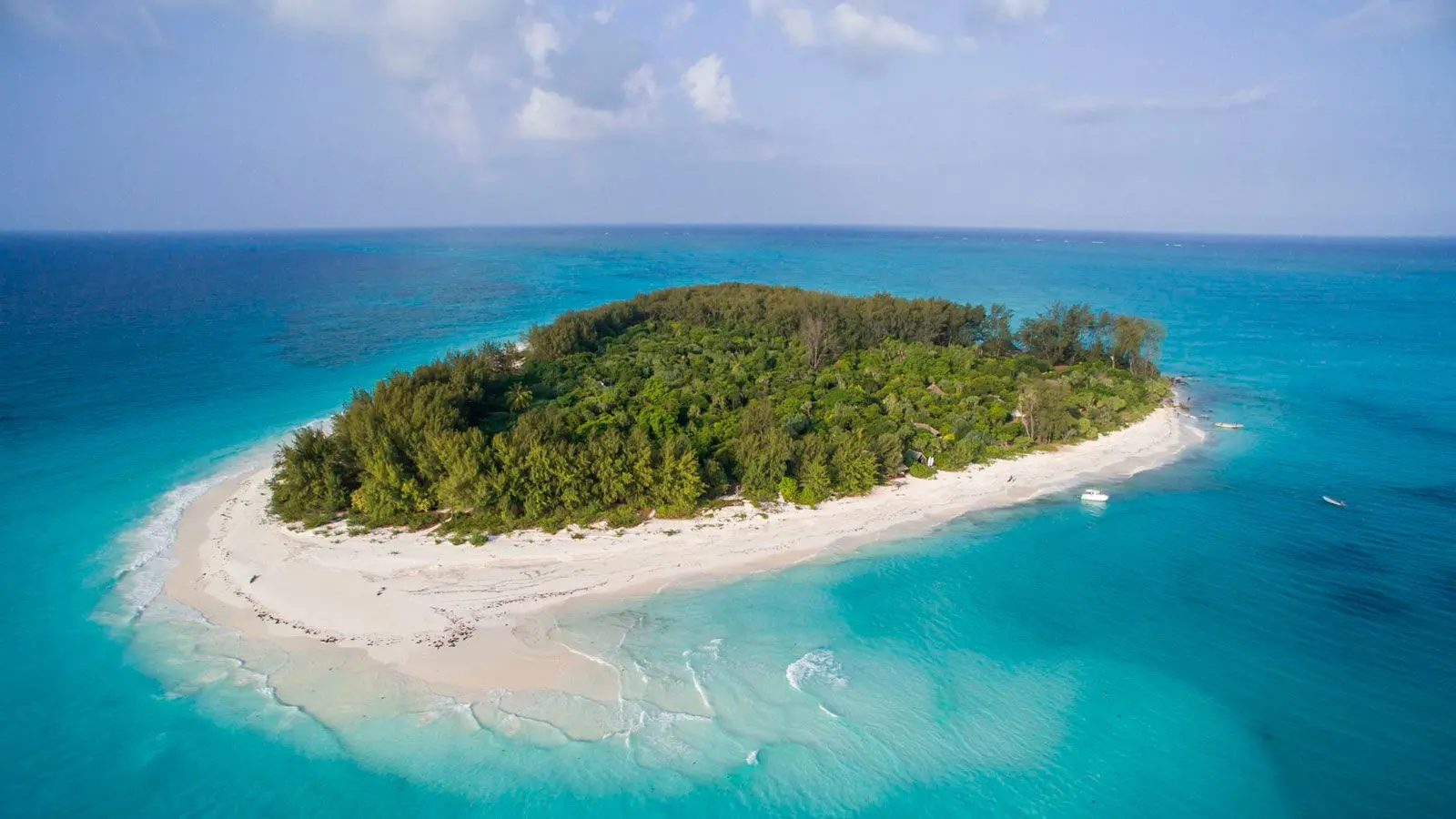
Zanzibar is famous for its beaches, spice farms, and Stone Town. But the island also works as a convenient launch point for a Tanzania safari. Instead of spending days driving from Dar es Salaam or Arusha, you can fly directly to the Serengeti or other parks. This opens up a combined wildlife and beach holiday without the long travel times that used to put people off.
A typical arrangement involves a few days on the island followed by a short flight to the mainland. You then spend several days on safari before flying back. The logistics are simpler than they sound, and the contrast between the two landscapes is a big part of the experience.
How the Transfer Works: Zanzibar to Serengeti
The key connection is the Zanzibar to Serengeti transfer. Several domestic airlines operate flights from Zanzibar’s airport to airstrips near the Serengeti National Park. The flight takes around two hours. From the airstrip, a vehicle from your camp or lodge picks you up and drives you to your accommodation. The whole process, from leaving your hotel to arriving at camp, usually takes under half a day.
This arrangement suits anyone who wants to avoid a long road journey. It also allows you to spend more time actually on safari rather than in transit. Some travelers worry about the cost of a fly-in option, but when you factor in the extra nights of accommodation and meals you would need on a road trip, the price difference is often smaller than expected.

What a Fly-In Safari Includes
A Serengeti fly-in safari is a specific type of trip where you fly into the park, stay for a set number of days, and fly out again. These safaris usually include game drives in the morning and late afternoon, with time at camp for meals and rest. The camps range from permanent lodges with full amenities to seasonal mobile camps that move with the wildlife.
Most fly-in packages cover your flights, accommodation, all meals, park fees, and the services of a guide and driver. You typically share a vehicle with a small group from your camp. Private vehicles are sometimes available for an extra cost. The itinerary is set in advance, but your guide can adjust the daily schedule based on where the animals are.
Choosing Between a Pure Safari and a Combined Trip
One question people ask is whether to do only a safari or to combine it with beach time on Zanzibar. A combined Tanzania safari gives you both experiences in one trip. You might spend three or four days on safari and then return to the island for the remaining days. This works well for families or couples who want variety without changing countries.
If you are primarily interested in wildlife, you could spend the entire safari portion in the Serengeti. The park is large enough that you see different ecosystems even within a few days. The central Seronera area is known for big cats, the northern section near the Mara River is famous for river crossings during the migration, and the southern plains are where the wildebeest calve. A tailor-made safari itinerary can focus on the areas that match the season you are traveling.
For those who want a quieter pace, the Ngorongoro Conservation Area and Lake Manyara are also reachable from the same airstrip network. Some itineraries include a day in Ngorongoro Crater, which has a high density of animals in a compact area.
Practical Considerations for Zanzibar Safari Tours
When you look into Zanzibar safari tours, there are a few things to check before booking. First, confirm the flight schedule. Flights from Zanzibar to the Serengeti do not run every day, and the timing varies by season. You may need to spend a night in Arusha or on the island depending on the connection.
Second, ask about luggage. Small aircraft have strict weight limits, and your camp may have a laundry service so you can pack light. A soft-sided duffel bag is easier to stow than a hard suitcase. Most camps provide drinking water, so you do not need to bring large quantities.
Third, think about the timing of your trip. The dry season from June to October offers the best wildlife viewing in the Serengeti because animals gather around water sources. The green season from November to May brings newborn animals and migratory birds, but the grass is taller and animals are more spread out. Each season has its own appeal.
What to Expect on Safari
A typical day on safari starts early. Your guide wakes you before sunrise for a morning game drive when animals are most active. You return to camp for a late breakfast and then rest through the heat of the day. The afternoon drive begins around 4 p.m. and continues until sunset. Dinner is served after dark, and the camp often has a campfire where you can talk with other guests.
The vehicles are open-sided or have pop-up roofs for photography. Your guide carries a radio to stay in touch with other guides, which helps track recent sightings. Guides are trained to spot animals from great distances and to identify birds and plants. They also know the park’s rules and can keep you at a safe distance from dangerous animals.
Most people worry about health and safety before their first safari. The camps are well-run and have protocols for dealing with wildlife. You are never allowed to walk outside the camp unescorted. Malaria is present in the Serengeti, so antimalarial medication is recommended. Your tour operator can advise on the current health precautions.
Making the Most of Your Time
To get the best value from a combined wildlife and beach holiday, plan your safari portion first and leave the beach for the end. This way you can relax after the early mornings and dusty drives. You also avoid the risk of flight delays affecting your international departure.
Pack layers. Mornings and evenings in the Serengeti are cool, especially from June to August. A lightweight jacket or fleece is useful. Neutral-colored clothing helps you blend in and avoids attracting insects. Bright colors are not recommended on game drives.
If you are a photographer, bring a lens with good reach. A 200mm or 300mm lens is practical for most situations. A zoom lens gives you flexibility when animals move closer or farther. Binoculars are also helpful, even if you are not a photographer, for spotting distant animals.
Understanding What a Tailor-Made Safari Offers
A tailor-made safari itinerary means the trip is built around your preferences rather than a fixed schedule. You choose how many days you spend on safari, which parks you visit, and what type of accommodation you prefer. This flexibility is especially useful if you have specific interests, such as birdwatching, photography, or tracking the Great Migration.
For anyone based on Zanzibar, the ability to fly into the Serengeti and return to the island means you can design a trip that feels like two holidays in one. The planning is straightforward when you work with an operator who understands the route and the seasonal conditions.
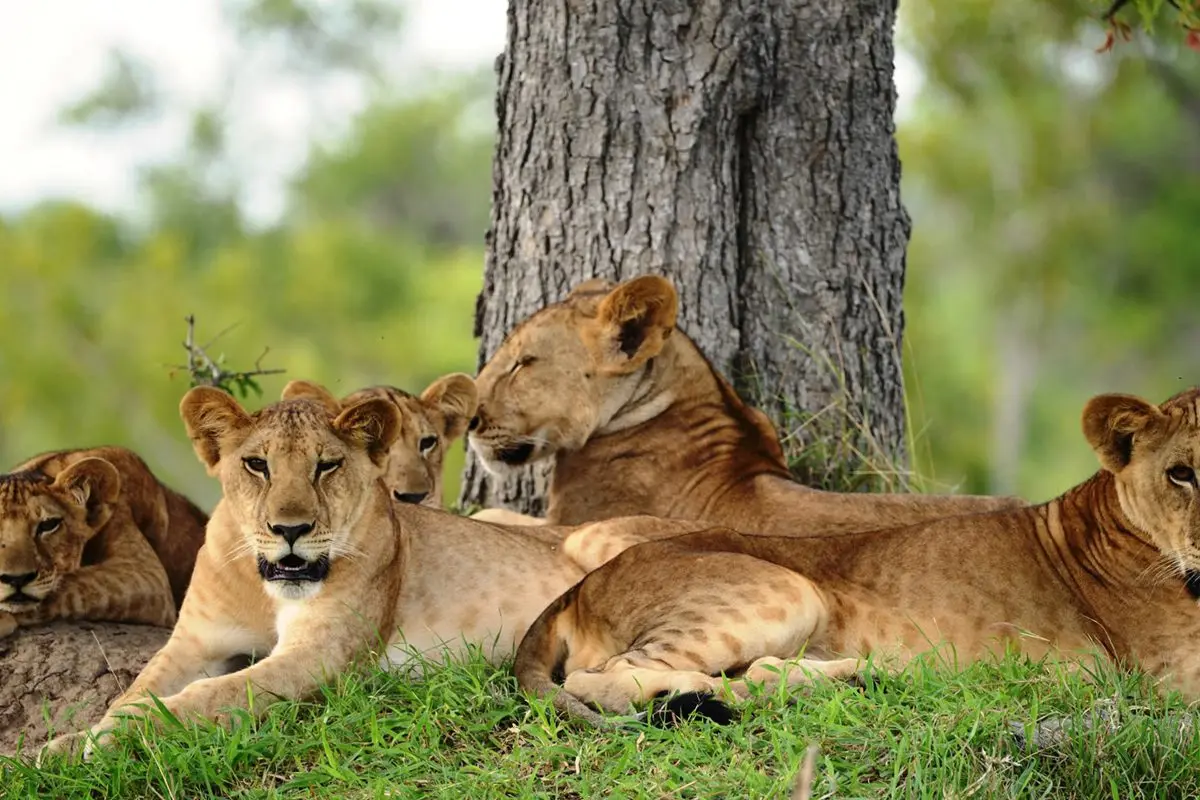
The experience of seeing a lioness with her cubs, watching a herd of elephants cross a river, or standing in the middle of a vast plain with no other vehicles in sight stays with you long after your tan fades. That is the real reason to consider a safari from Zanzibar.
