Choosing the Right Epoxy Adhesive for Industrial and DIY Repairs
Understanding Epoxy Adhesive and Its Place in Modern Bonding
When you need a bond that can withstand heavy loads, harsh chemicals, and extreme temperatures, an epoxy adhesive is often the first choice. Unlike simple glues or even polyurethane adhesives, epoxy systems rely on a chemical reaction between an epoxy resin and a hardener, typically an amine curing agent. This reaction creates a rigid, high-strength polymer that fills gaps and adheres to a wide range of substrates. Whether you are working on a concrete repair in a factory or bonding metal brackets on a boat, the right epoxy can make the difference between a repair that holds and one that fails.
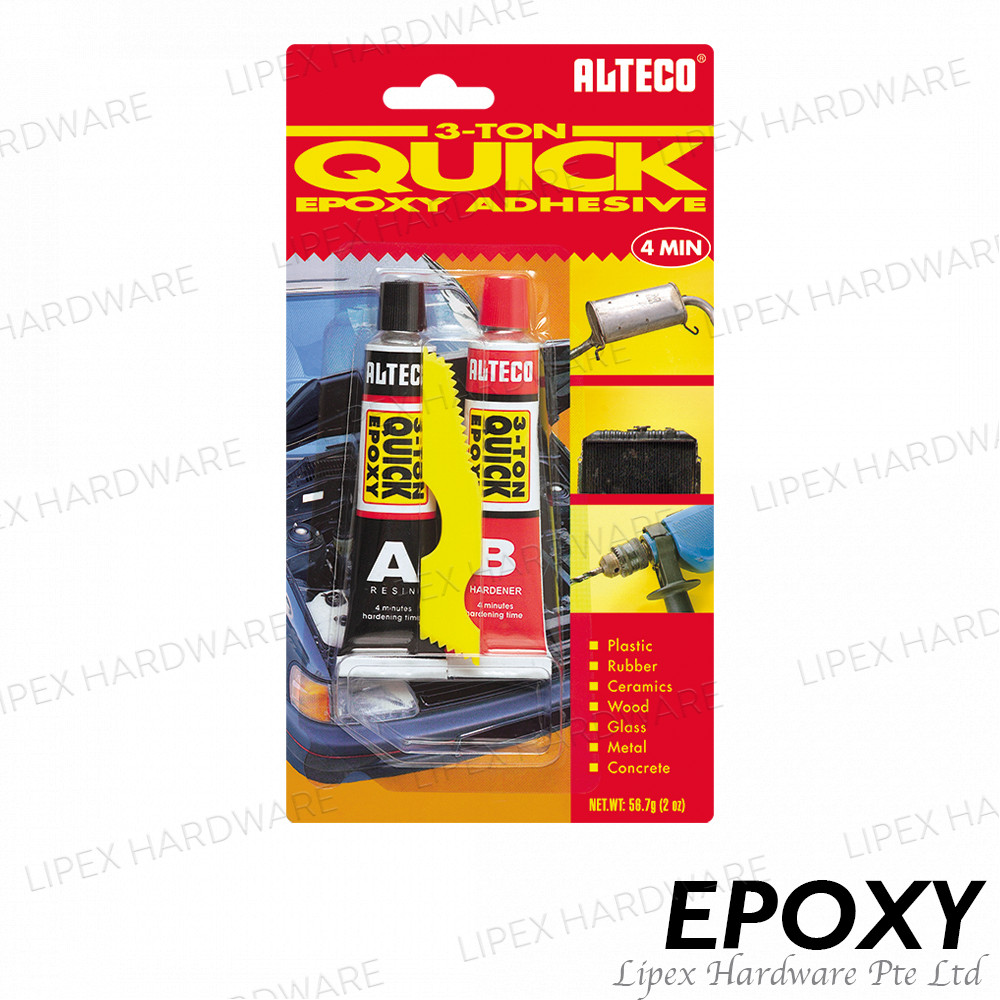
Epoxy adhesives come in many formulations, but the most common are two-part epoxies. In these systems, the resin and the hardener remain separate until you mix them. Once combined, you have a limited working time before the material sets. This curing process can be adjusted by the manufacturer to suit different applications. Some formulations offer a rapid cure, reaching handling strength in minutes, while others allow longer open times for intricate assembly work. Understanding these differences is key to selecting the right product for your job.
Where Epoxy Adhesive Excels
The phrase "epoxy adhesive" appears in many technical discussions because it delivers a combination of properties that few other adhesives can match. Its high tensile strength and lap shear strength make it ideal for structural applications where loads are transferred across bonded surfaces. In metal bonding, for example, an epoxy joint can achieve strength comparable to welding, without the heat distortion or metallurgical changes that welding introduces. This is particularly valuable in automotive adhesive repairs, where you need to join dissimilar metals or attach brackets to thin sheet metal without burning through the paint.
Concrete repair is another area where epoxy adhesives shine. Cracked concrete floors, spalled edges on loading docks, and damaged structural beams can all be restored by injecting or applying a low-viscosity epoxy that penetrates deep into the fissures. The cured material restores the original strength and provides a chemical-resistant barrier against oils, solvents, and de-icing salts. Many industrial maintenance teams keep a two-part epoxy on hand specifically for this kind of work, because it bonds to damp concrete better than most alternatives and does not shrink as it cures.
Key Properties to Consider
Strength and Durability
When evaluating an epoxy adhesive, look at its mechanical properties. Lap shear strength, typically measured in pounds per square inch or megapascals, tells you how well the bond resists sliding forces. Tensile strength indicates how well it resists being pulled apart. Impact resistance matters for applications where parts may be struck or vibrate. A high-strength structural adhesive will usually excel in all three areas, but trade-offs exist. For instance, a very rigid epoxy might have lower impact resistance than a more flexible formulation. Matching the mechanical profile to the actual service loads is essential.
Chemical and Temperature Resistance
Industrial environments expose bonded joints to aggressive fluids and high heat. A good epoxy adhesive should maintain its integrity when in contact with gasoline, hydraulic oil, or cleaning solvents. Many formulations based on Bisphenol A epoxy resin offer excellent chemical resistance. Temperature resistance is equally critical. Some epoxies soften above 80°C, while others can withstand continuous exposure to 150°C or more. If your repair will be near an engine, a furnace, or a hot pipe, check the temperature rating before mixing.
Working Properties
The way an epoxy adhesive behaves during application matters as much as its final strength. Gap filling ability is one of the most useful features. A good epoxy can bridge uneven surfaces or fill voids up to several millimeters thick without sagging. This is especially handy in concrete repair or when bonding parts that do not fit perfectly. Viscosity also affects how easily you can apply the material. Thicker epoxies can be troweled onto vertical surfaces, while thinner ones flow into cracks. Many professionals use an applicator gun to dispense two-part epoxies directly from dual cartridges, ensuring a consistent mix ratio and reducing waste.
Common Types of Epoxy Adhesives
General-Purpose DIY Epoxy
For home workshops and light repairs, a DIY epoxy in small tubes is convenient. These are usually formulated to cure at room temperature and bond to wood, metal, plastic, and ceramics. They are not as strong as industrial grades, but for fixing a broken chair leg or reattaching a ceramic handle, they work well. Many hobbyists also use them for model making and jewelry assembly because they can be tinted with pigments.
Marine Adhesive
Boats and marine equipment demand an epoxy that resists water, salt, and UV radiation. Marine adhesives are typically formulated with special hardeners that prevent hydrolysis and maintain flexibility under constant moisture. They are used for bonding fiberglass, wood, and metal fittings. A good marine adhesive will also have high impact resistance to handle the pounding of waves.
Automotive Adhesive
In automotive repair, epoxies must tolerate vibration, heat cycles, and contact with fuel and coolant. Automotive adhesives often have a rapid cure so that parts can be handled quickly during assembly. They also need to bond to oily or slightly contaminated surfaces, though proper surface preparation is still recommended. Some are designed specifically for exterior applications, such as bonding trim pieces or repairing plastic body panels.
How to Use Epoxy Adhesive Effectively
Getting the best results from any epoxy adhesive comes down to preparation and technique. First, clean the surfaces thoroughly. Remove grease, rust, paint, and loose particles. For metal bonding, abrading the surface with sandpaper or a wire brush improves mechanical grip. For concrete repair, make sure the area is free of dust and slightly damp, not wet, to promote penetration.
Mix the resin and hardener exactly according to the manufacturer's instructions. Most epoxies use a 1:1 or 2:1 ratio by volume. Inaccurate mixing can leave the adhesive undercured or brittle. Use a clean mixing stick and spread the material evenly. If you are filling a gap, apply the epoxy in layers to avoid trapping air bubbles. For large repairs, consider using an applicator gun with a static mixing nozzle to automate the process and ensure a consistent blend.
Clamp the parts together firmly and leave them undisturbed for the full cure time. Even fast-setting epoxies need time to develop their ultimate high strength. Rushing the process by applying load too early is a common mistake. In many cases, waiting 24 hours at room temperature yields the best performance. If the environment is cold, the cure will slow down; you can use a heat lamp to speed it up, but keep the temperature below the manufacturer's maximum.
Safety and Environmental Considerations
Epoxy adhesives contain reactive chemicals that can irritate skin and eyes. Always wear gloves and safety glasses when mixing and applying. Work in a well-ventilated area to avoid breathing fumes. Some hardeners contain amines that can cause sensitization over time, so repeated exposure should be minimized. Dispose of unused mixed epoxy only after it has fully cured, liquid epoxy is considered hazardous waste in many jurisdictions.
From an environmental standpoint, epoxy adhesives are thermosetting polymers that do not soften once cured. This makes them durable and long-lasting, which reduces the need for frequent repairs and replacements. However, they are not biodegradable. Choosing a product with low volatile organic compounds (VOCs) can reduce indoor air quality concerns, especially for DIY epoxy used in homes.
Final Thoughts
An epoxy adhesive is a powerful tool in any repair kit, whether you are a professional mechanic, a contractor, or a weekend DIYer. The key is to match the formulation to the task. For metal bonding or concrete repair, look for a structural adhesive with high lap shear strength and chemical resistance. For quick fixes where time is tight, a rapid-cure epoxy can save the day. For underwater or marine applications, a specialized marine adhesive is worth the extra cost. And for everyday household jobs, a reliable DIY epoxy will handle most needs. By understanding the chemistry and the practical trade-offs, you can choose the right product and apply it correctly, ensuring a bond that lasts.
