How an Elevated Sports Bar Experience Transforms Game Day
Game day has always been about more than just the final score. It is the collective gasp when a quarterback scrambles for a first down, the high-fives after a three-pointer, and the shared groan when a penalty flag flies. For years the default setting for watching live sports was a dark room with sticky floors, average wings, and a bartender who barely looked up from the pour. That model is fading. More venues now understand that the audience wants a setting that respects the game and the people watching it.
This shift is not about turning a sports bar into a white-tablecloth restaurant. It is about balance. A place that keeps the energy of a packed crowd but also delivers food and drink worth talking about. It is what many now call an elevated sports bar experience. That phrase can sound like marketing jargon, but when executed well it describes a real change in how we spend those three hours of play.
What Sets a Higher Standard
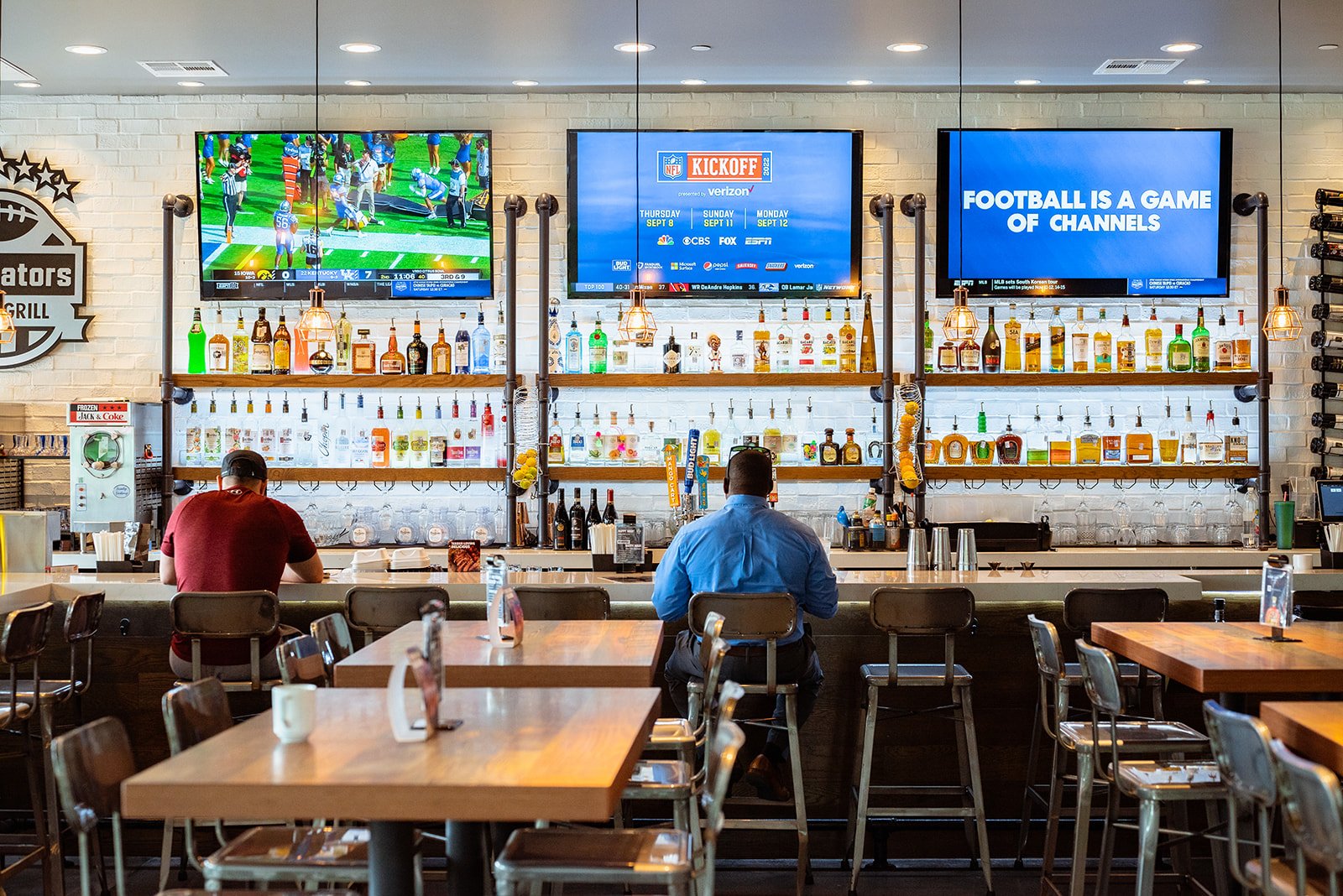
The difference starts with intention. In a standard bar the screens are an afterthought, mounted too high or placed where half the seats have a bad angle. An elevated space treats the viewing setup as a priority. Sightlines are clear from every seat. Audio is balanced so you hear the announcer without shouting over the crowd. The lighting is dimmed just enough to make the picture pop but not so dark that you cannot see your food.
Comfort matters just as much. Seating should let you stay for the full game without aching. Tables need enough room for a plate, a drink, and a phone. Service should be attentive without hovering, especially during a tense play when nobody wants a tap on the shoulder.
Connect with us on Twitter.
Food That Does Not Play Second Fiddle
For a long time sports bar food followed a simple rule: fry it and serve it with ranch. That has changed. Many kitchens now treat game-day menus as a creative challenge. You still find wings and nachos, but they are made with better ingredients and more thought. Sauces are house-made. Vegetables are fresh. Burgers are cooked to order, not held under a heat lamp.
The trick is to upgrade without becoming precious. Nobody wants a burger that requires a knife and fork while the game is on. The best elevated menus use familiar formats and raise the quality. Think a smoked brisket sandwich with proper bark, or a fish taco with a bright slaw instead of shredded iceberg. These dishes feel like bar food, but they taste like something you would pay for at a sit-down restaurant.
Drink programs have evolved too. A good beer list still matters, but now it might include local craft options alongside the macro lagers. Cocktails move beyond rail whiskey and soda. A well-made old fashioned or a house margarita with fresh juice fits the atmosphere without feeling pretentious. The goal is to give adults something to sip that matches the occasion, not just something to get through.
The Social Layer
An elevated sports bar experience also depends on the people in the room. The best venues cultivate a crowd that is there for the game, not just for a place to hang out. That sounds vague, but you can feel it when you walk in. The energy is focused. Strangers talk to each other about a bad call or a great save. There is a shared vocabulary that only exists in that room at that moment.
Staff play a big role in setting that tone. Bartenders who know the rosters and can discuss a team's chances add a layer of connection. Servers who check in during commercials and disappear when the ball is snapped show they understand the rhythm of the room. These small adjustments make the difference between a bar that shows sports and a bar that lives them.
Trade-Offs Worth Considering
Raising the standard comes with trade-offs. An elevated menu costs more, and the prices reflect that. A burger that uses fresh-ground beef and house-baked buns cannot cost the same as a frozen patty on a sysco roll. Drinks made with better spirits cost more per pour. Some guests prefer the old model where a beer was three dollars and the food was a vehicle for hot sauce. That is fine. The elevated approach is not for everyone, and it does not try to be.
Another trade-off is pace. When the kitchen puts care into each plate, tickets take longer. During a big game with a full house, that can mean a wait. A good venue manages this by taking orders early and having a system for timing courses around halftime and breaks. But if you want food in under five minutes every time, a fast-food counter is a better bet.
There is also the question of atmosphere. Some people love the chaos of a packed dive bar. The sticky floor and the yelling feel authentic to them. An elevated space tends to be cleaner, quieter between plays, and more controlled. That is a feature for some and a drawback for others. Knowing which side you fall on helps you choose where to spend your time.
Practical Details That Matter
Small things add up. Restrooms that are clean and stocked. Parking that does not require a hike. A reservation system that actually works, especially for playoff games. These details seem basic, but they are often the first places where a standard bar drops the ball.
Technology also plays a role. A good sound system that does not distort during the roar of a touchdown keeps the experience intact. Enough screens so nobody has to crane their neck. A reliable way to pay out without waiting ten minutes for a check. These are not luxuries. They are basics of a well-run operation.
When It All Comes Together
The best example I have seen of this approach is a place that treats every game like a small event. The staff knows the start times and adjusts the room accordingly. The kitchen prepares for the rush without sacrificing quality. The crowd includes regulars who greet each other and newcomers who are welcomed into the fold. That combination does not happen by accident. It requires a philosophy that the game is the center of the experience and everything else exists to support it.
That philosophy is what defines an elevated sports bar experience. It is not about fancy tablecloths or a sommelier. It is about respecting the game and the people who came to watch it. It is about serving food you would want to eat again, drinks you would recommend to a friend, and creating an environment where the big play feels even bigger because of the room you are in.
The concept works best when it stays grounded. Nobody needs a seven-course tasting menu during the Super Bowl. What they need is a good seat, a cold beer, something delicious to eat, and a room full of people who care about the outcome as much as they do. That is the core promise of an elevated sports bar experience.
For those looking to try this approach firsthand, Spectators Bar & Grill - Katy, located at 25140 Kingsland Blvd Ste 1000, Katy, TX 77494, USA, and reachable at +1 281-505-1409, offers a sports bar and grill in Katy Texas offering elevated dining and drinks with a focus on game-day experience.
