Why Residential Mold Remediation Requires More Than Just Bleach
The Hidden Cost of Ignoring Mold in Your Home
If you have ever peeled back a corner of wallpaper in a bathroom that never quite dries out, or lifted a section of drywall after a slow pipe leak, you already know the smell. It is damp, musty, and unmistakable. That smell usually means mold has taken hold. And once it does, it does not stay put. Mold spreads through mold spores that drift through the air, landing on new surfaces and starting fresh colonies wherever moisture and food exist.
Most homeowners reach for bleach when they see black mold on a grout line or a patch of drywall. But residential mold remediation is not a cleaning job. It is a process that requires understanding how mold grows, where it hides, and what actually stops it from coming back. Bleach kills surface mold in some cases, but it does not penetrate porous materials like wood or drywall. That means the roots of the colony can survive and regrow within weeks.
What Makes Mold a Problem in Homes
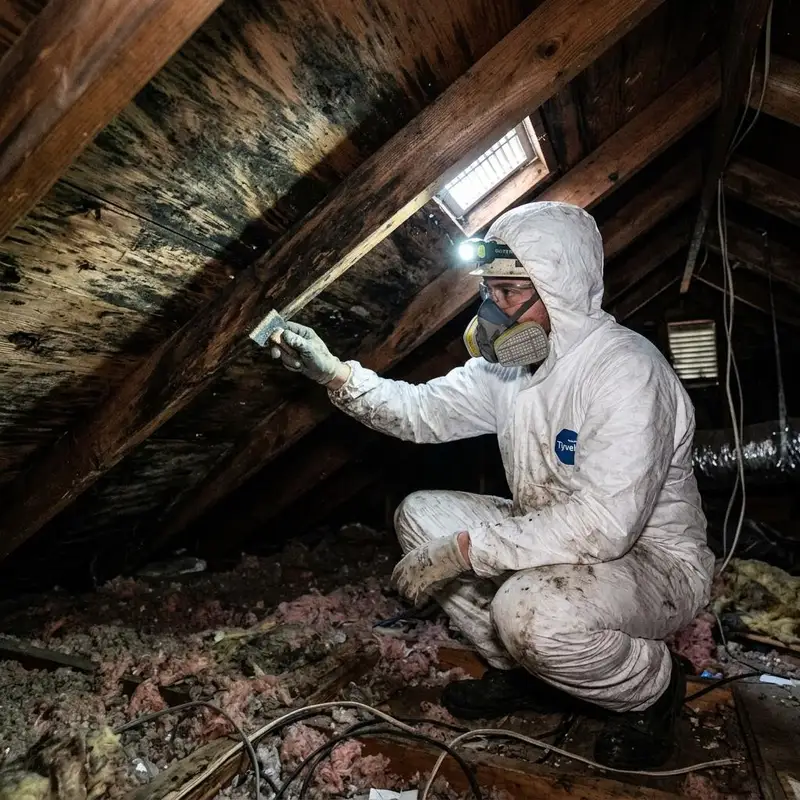
Mold needs moisture, warmth, and a food source. The food source in most homes is organic material: wood framing, paper-faced drywall, attic insulation, dust, and even the cellulose in some ceiling tiles. When a crawl space stays damp because of poor drainage or a missing vapor barrier, the conditions become ideal for mold. The same goes for an attic where insulation gets wet from a roof leak and never fully dries out.
Mold spores are everywhere. They float in through open doors, on clothing, and through the HVAC system. The difference between a home with mold problems and one without is usually moisture control. If you can keep humidity below 60 percent, fix leaks quickly, and ventilate bathrooms and kitchens, you will rarely see mold growth. But once mold establishes itself, it can trigger allergic reactions, asthma attacks, and other respiratory issues. The EPA has published extensive guidance on mold cleanup and moisture control, and their advice consistently points to the same root cause: water must be managed before anything else.
Why Residential Mold Remediation Is Not a DIY Job
I have seen homeowners spend hundreds of dollars on sprays, foggers, and dehumidifiers, only to have the mold come back within a season. The problem is not the product. It is the approach. Real residential mold remediation starts with a thorough mold inspection and air quality testing. You have to know what kind of mold you are dealing with, how far it has spread, and whether the air in your home is carrying spores from a hidden source.
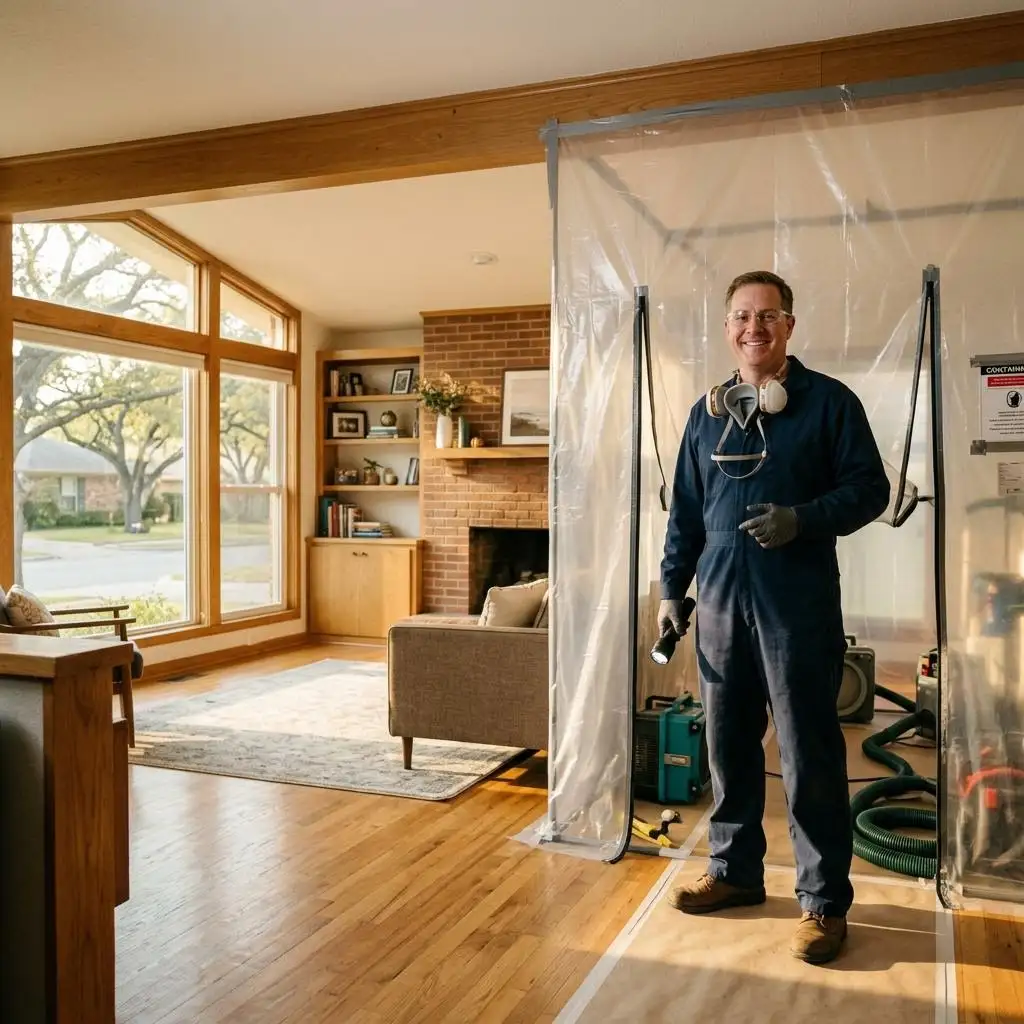
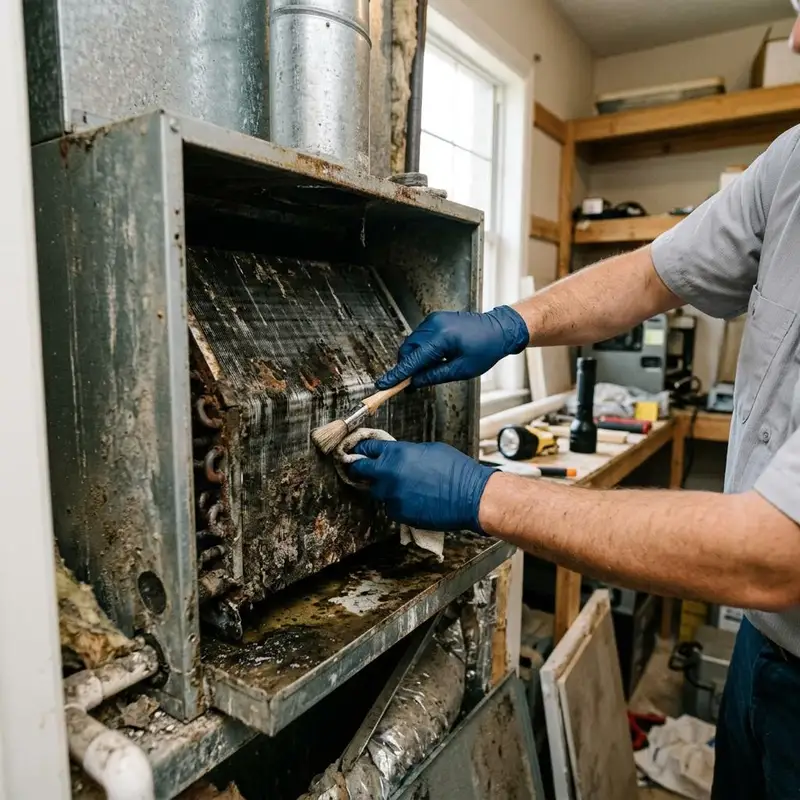
A professional inspection often reveals mold in places you would not think to look: behind baseboards, inside HVAC ducts, under the subfloor in a crawl space, or deep inside attic insulation. Once the source is identified, the remediation plan includes containment to prevent spores from spreading, removal of contaminated materials, and treatment of remaining surfaces with products that kill mold at the root.
Common products include Concrobium, RMR-141, and Mold Armor. Each works differently. Concrobium encapsulates mold spores and leaves a residue that resists future growth. RMR-141 is a heavy-duty cleaner that kills mold on contact and is often used on hard surfaces. Mold Armor is a popular choice for exterior use but also works indoors when applied correctly. Spray & Forget is another option, typically used for outdoor surfaces like siding and roofs, but sometimes applied in basements and garages. The key is matching the product to the material and the level of contamination.
Borate Treatments and Structural Materials
For wood framing and structural lumber, borate-based treatments are a smart choice. Borate penetrates the wood and prevents mold from regrowing. It is also safe for pets and people once dry, which matters in a home where children or animals spend time on the floor. Bleach, by contrast, does not soak into wood. It stays on the surface and evaporates quickly, leaving the mold roots intact.
When drywall has been wet for more than 48 hours, it usually needs to be cut out and replaced. Drywall is paper-faced, and paper is a perfect food for mold. Even if you dry the surface, the paper core can stay damp and grow mold internally. The same applies to attic insulation. Fiberglass batts that get wet lose their R-value and become a breeding ground for mold. Replacing them is often cheaper than trying to clean them.
Moisture Control Is the Long-Term Solution
No amount of cleaning will keep mold away if the moisture problem remains. That is why a moisture barrier or vapor barrier in a crawl space or basement is so important. A vapor barrier is a sheet of plastic laid over bare soil or concrete that stops ground moisture from rising into the living space. In a crawl space, it also reduces the humidity that feeds mold growth. Without a vapor barrier, a dehumidifier will run constantly and never fully solve the problem.
Sump pumps also play a role. In homes with basements, a sump pump keeps groundwater from seeping in through the foundation. If the pump fails, water can sit against walls and create the exact conditions mold needs. Regular maintenance of the HVAC system is another critical step. The HVAC system circulates air throughout the house. If mold gets into the ductwork, it spreads spores to every room every time the system runs. HEPA filters on the return air ducts can capture mold spores, but the ducts themselves must be cleaned professionally if contamination is found.
A dehumidifier can help in specific areas like a damp basement, but it is not a cure-all. Dehumidifiers work best when the space is sealed and the unit is properly sized. A small dehumidifier in a large, leaky basement will run nonstop and barely make a dent. You also need to empty the reservoir or connect it to a drain, or it will shut off and let humidity rise again.
When to Call a Professional
The decision to handle mold yourself or call a professional depends on the size of the problem and your own health. Small spots on tile or glass can be cleaned with a commercial product like Concrobium or RMR-141. But once mold covers more than ten square feet, the EPA recommends professional remediation. The same goes for mold in HVAC systems, crawl spaces, or inside wall cavities.
Professional remediation crews use containment barriers, negative air pressure, and HEPA-filtered vacuums to keep mold spores from spreading during the work. They also know how to dispose of contaminated materials safely. This is especially important when dealing with black mold, which is a catch-all term for several species of dark-colored mold. While not all black mold is toxic, some species produce mycotoxins that can cause serious health problems. It is not worth guessing.
Final Thoughts on Residential Mold Remediation
If you suspect mold in your home, start with an inspection and air quality testing. That will tell you if the problem is surface-level or structural. Then address the moisture source. Fix the leak, install a vapor barrier, improve drainage, or add a sump pump. Only after the moisture is under control does residential mold remediation make sense as a lasting solution. Treat the symptom and the cause, and you will not have to do it again next year.
