How to Prevent and Handle Mold in Crawl Space Areas
Understanding the Problem of Mold in Crawl Spaces
If you own a home in the Detroit area, you know that the climate can be tough on basements and crawl spaces. The combination of cold winters, wet springs, and heavy summer storms creates a perfect environment for moisture problems. And where moisture lingers, mold follows. I have seen it time and again: a crawl space that looks dry on the surface but hides black mold behind fiberglass insulation or along the foundation walls. The real issue is not just the smell or the ugly stains. It is the fact that mold in crawl space areas directly affects the indoor air quality of your entire home.
Many homeowners do not realize that the air in a crawl space moves upward through floor joints, gaps around pipes, and even through the smallest cracks in the subfloor. That means any mold spores growing down there become part of the air you and your family breathe every day. Over time, exposure can trigger allergies, asthma attacks, and other respiratory issues. So if you are noticing a musty odor in rooms above a crawl space, or someone in the house has been sneezing more than usual, the problem might be coming from below.
Why Crawl Spaces Are Vulnerable
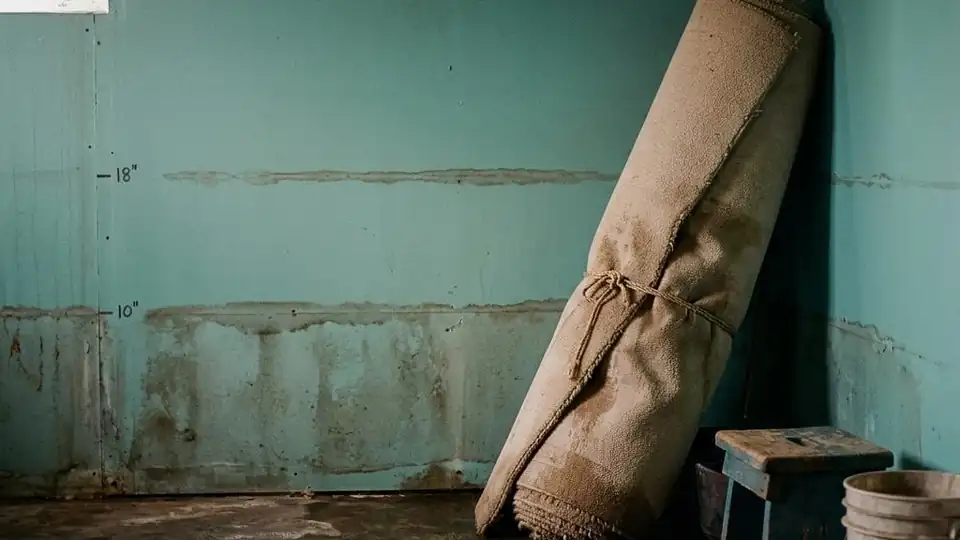
A crawl space is by definition a tight, often unfinished area with limited access. That alone makes it harder to monitor. But the bigger challenge is moisture. Crawl spaces sit close to the ground, and in many older Detroit homes they were never designed with proper drainage or waterproofing. Rain and snowmelt can seep through the soil, building up hydrostatic pressure against the foundation. Over time, that pressure forces water through tiny cracks in the concrete or masonry. Even if you never see standing water, the dampness in the air can be high enough to support mold growth.
Another common culprit is the plumbing. Leaky pipes under the house drip water onto the dirt or concrete floor, creating a consistently wet environment. And because crawl spaces are often poorly ventilated, that moisture has nowhere to go. The result is a breeding ground for fungus, mildew, and bacteria. I have crawled into spaces where the humidity felt like a steam bath, and the smell was unmistakable. That is the kind of situation that demands immediate attention before the problem spreads.
Signs That You Have a Mold Issue
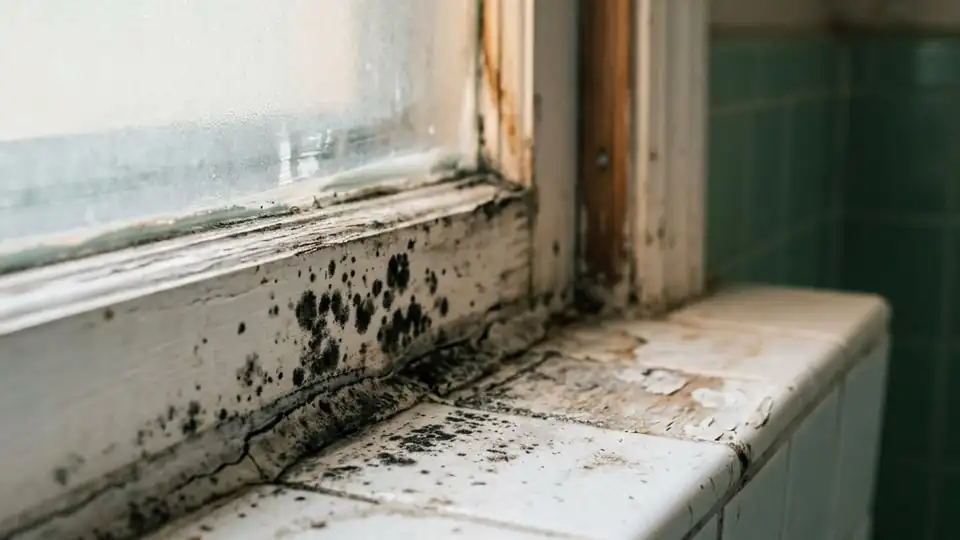
You do not always need to see mold to know it is there. Sometimes the first sign is a health symptom: headaches, itchy eyes, or a persistent cough that gets worse when you are home. Other times it is the odor. Mildew has a distinct, earthy smell that is hard to ignore once you know what it is. If you do go into the crawl space, look for dark patches on wooden joists, white or green fuzz on concrete, or staining on insulation. Black mold is the most visible and concerning, but any type of fungal growth is a sign that moisture levels are too high.
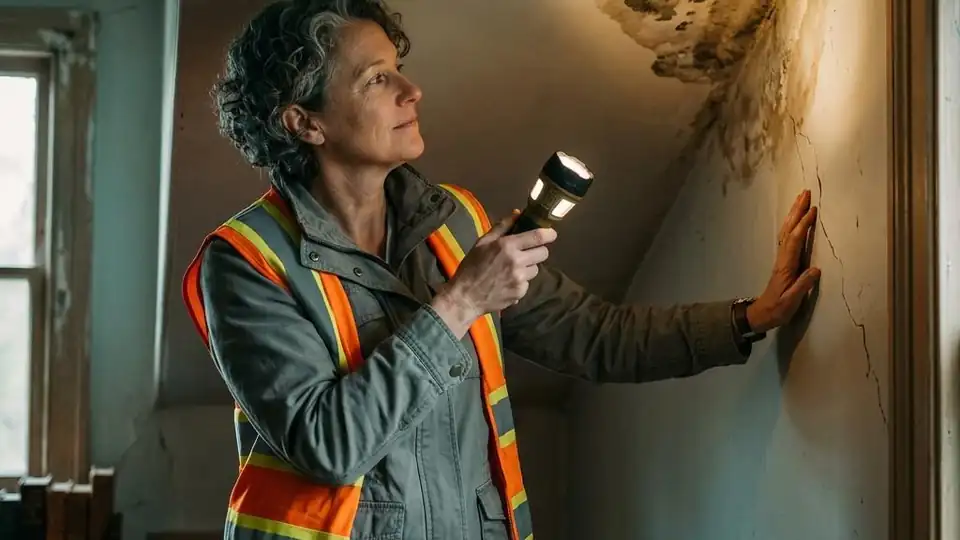
One thing I always tell property owners: do not rely on a single inspection. Mold can grow behind vapor barriers, under insulation, or inside the ductwork of your HVAC system. If you suspect a problem, bring a flashlight and a mask, and look in every corner. Better yet, hire a professional who knows where to check and how to test for hidden mold spores.
Where to Start: Moisture Control First
Before you even think about cleaning mold, you have to fix the moisture source. Otherwise the mold will come back. The most effective approach is a combination of strategies that reduce the amount of water entering the crawl space and lower the humidity inside it.
1. Improve Drainage Around the Foundation
Start outside the house. Make sure gutters and downspouts are clear and that water is directed away from the foundation. The ground should slope away from the house so that rain does not pool against the walls. In some cases, you may need to regrade the soil or install French drains to relieve hydrostatic pressure. This is where basement waterproofing techniques come into play. While the crawl space is not a full basement, the same principles apply: keep the exterior dry, and the interior will follow.
2. Install a Vapor Barrier
If the crawl space has a dirt floor, a vapor barrier is essential. A heavy-duty polyethylene sheet laid over the ground stops moisture from evaporating up into the air. That alone can cut indoor humidity by a significant amount. Make sure the barrier overlaps at the seams and is sealed along the walls. You want to trap the ground moisture underneath, not let it rise into the crawl space.
3. Use a Sump Pump or Dehumidifier
If you have a low spot where water collects, a sump pump can remove standing water automatically. But for general humidity control, a dehumidifier is a better long-term solution. I recommend a model with a built-in pump that can drain into a nearby floor drain or outside. Emptying a bucket in a crawl space is a miserable chore, and most people stop doing it after a week. A continuous drain setup makes the system hands-off.
4. Add Crawl Space Ventilation
Stale, humid air needs to be exchanged with drier outdoor air. Crawl space ventilation, such as passive vents or a small exhaust fan, can help. But be careful: in humid weather, bringing in outside air can actually raise the humidity. A better approach is to use a ventilation system that runs only when the outdoor air is drier than the indoor air. Some modern systems have sensors that make that decision automatically.
Mold Remediation: Cleaning vs. Removal
Once you have the moisture under control, you can address the existing mold. There is a difference between cleaning a surface and truly removing mold. For small patches on non-porous surfaces, a solution of detergent and water or a diluted bleach mix can work. But you have to scrub the area and dry it completely. Never just spray and walk away. That leaves the mold spores alive and ready to regrow.
For larger infestations, especially where mold has soaked into wood or drywall, you need professional mold remediation. That means removing and replacing the affected materials, sealing the area during work to prevent spores from spreading, and using HEPA-filtered vacuums and air scrubbers to clean the air. Some companies also use encapsulation - applying a special coating that seals in any remaining spores so they cannot become airborne. This is a job where doing it yourself can actually make things worse if you disturb the mold without containing it.
Health and Air Quality Concerns
Mold in crawl space environments releases allergens and irritants that travel through the house. Children, the elderly, and anyone with asthma or a compromised immune system are most vulnerable. But even healthy adults can develop sensitivity over time. The EPA recommends that you address any mold problem promptly, no matter how small. You do not need to wait for a health crisis to take action.
If you are worried about indoor air quality, consider adding an air purifier with a HEPA filter in the rooms above the crawl space. That can help capture mold spores that have already entered the living space. But it is not a substitute for fixing the source. Think of it as a safety net while you work on the bigger issues of moisture control and removal.
Preventing Mold from Coming Back
After cleanup, the goal is to keep the crawl space dry and monitored. Check the vapor barrier and insulation periodically for signs of moisture. Replace fiberglass insulation if it gets wet, because it holds moisture like a sponge and is nearly impossible to dry out fully. Keep a hygrometer down there to track humidity levels. If they stay above 60 percent for more than a few days, you know something is off.
Also, do not store anything organic in the crawl space - no cardboard boxes, no wood scraps, no fabric. Mold needs food, and those materials provide it. Keep the space clean and free of debris so that if moisture does appear, you can spot it quickly and deal with it before mold takes hold.
Final Thoughts
Living in Detroit means dealing with a climate that loves water. But that does not mean you have to live with mold. The key is to stay ahead of moisture problems with good drainage, proper barriers, and controlled ventilation. If you already have mold in crawl space areas, act now. The longer you wait, the more it spreads, and the harder it becomes to fix without major renovation. A dry crawl space is a healthy home, and that is something worth investing in.
