How to Choose the Best Training Targets for Clubs
Running a shooting club means thinking about a lot more than just range time. You have members with different skill levels, safety protocols that never sleep, and a budget that needs to stretch across targets, maintenance, and maybe even events. One of the most frequent questions I hear from club organizers is about selecting the right training targets for clubs. It sounds straightforward, but the choice affects everything from how fast members improve to how often you replace gear.
I have spent years on both sides of this equation as a competitive shooter and as someone who helps clubs set up their practice ranges. The difference between a good target system and a mediocre one shows up in the scores and in the enthusiasm of the shooters. Let me walk through the practical considerations that matter most.
Start With the Discipline
Not all targets are created equal, and the first filter should be what your club actually shoots. If your club focuses on IPSC or USPSA, you need targets that mimic the official cardboard silhouettes used in competition. The classic IPSC target with its A, C, and D zones is essential for scoring practice. Action air shooters often prefer smaller steel plates or knockdown targets because they give instant feedback with a satisfying clang. Airsoft clubs benefit from targets that catch pellets without excessive wear, like self-healing rubber or thick paper with adhesive backing.
I have seen clubs try to use one type of target for everything, and it rarely works well. Steel targets designed for airsoft will get chewed up by centerfire pistol rounds. Paper targets meant for slow-fire bullseye shooting tear apart under rapid fire. Matching the target to the discipline is the first step.
Durability and Cost Per Use
Clubs go through targets fast. A busy range can burn through hundreds of paper targets in a single weekend. The real cost is not just the price per target but the time spent setting up, taping, and replacing them. That is why many clubs eventually move to a mix of paper for official practice and steel for general drills.
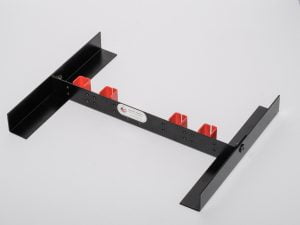
Steel targets are expensive upfront but last for years if you buy the right hardness. AR500 steel handles rifle rounds well, while mild steel is fine for airsoft and rimfire. The trade-off is weight. A steel target that is easy to carry and hang saves setup time, but lighter steel may warp or crater over time. For paper targets, look for heavy cardstock or cardboard with a matte finish that reduces glare. Some clubs buy blank cardboard and print their own scoring zones, which cuts cost significantly.
When you calculate training targets for clubs, think about how many rounds each target will survive before it needs replacement. A cheap paper target might last ten shots before tearing, while a quality one lasts fifty. That difference adds up fast.
Reactive Feedback Keeps Shooters Engaged
One of the best investments a club can make is in targets that give immediate feedback. Steel targets that fall or ring let the shooter know instantly whether they hit. That sound is addictive and drives improvement. For paper, targets that show clear bullet holes without tearing are important, especially for new shooters who need to see their groups tighten.
I have run drills where we used both paper and steel on the same stage. The steel gave us split times and accuracy feedback, while the paper let us analyze shot placement afterward. That combination works well for clubs because it keeps the session moving and gives data for coaching.
Safety and Range Setup
Safety is non-negotiable, and the type of target affects it directly. Steel targets must be angled downward slightly so that splatter goes into the ground, not back at the shooter. The distance to steel also matters. Pistol steel can be closer, but rifle steel needs more standoff to prevent fragmentation. Paper targets are safer in that regard, but they can create debris that needs cleaning.
For clubs sharing a range with different disciplines, having a set of modular target stands that accept both paper and steel is a huge time saver. I have helped clubs build simple wooden frames with hanging hooks so that changing a target takes seconds. That kind of setup makes it easy to switch from action air practice to IPSC drills without breaking down everything.

Training Progression and Variety
Shooters get bored if every session looks the same. A good target selection lets you design progressions. Start with large, simple targets for beginners and then shrink the scoring zones as skill improves. Use moving targets or poppers to add difficulty. For IPSC clubs, having targets that can be set at different distances and angles is essential for stage design.
I have seen clubs build a library of target types: full-size cardboard, reduced-size for distance drills, steel plates in various shapes, and even specialty targets like hostage or no-shoot silhouettes. That variety keeps training fresh and forces shooters to adapt, which is the whole point of practice.
Budgeting and Sourcing
Clubs usually have a budget that needs to cover targets, ammunition, and range fees. The best approach is to buy in bulk from suppliers that specialize in shooting targets. Look for companies that offer discounts on case quantities or offer reusable target systems.
I recommend setting aside a portion of the budget each month for target replacement. That way you never run out of fresh paper or have to cancel a practice because the steel is shot out. Also, consider that some suppliers offer target packs designed specifically for clubs, which include a mix of paper and steel targets at a lower per-unit cost.
One other thing: do not ignore the used market for steel targets. Many clubs upgrade their gear and sell off perfectly good AR500 plates at a fraction of retail. Just inspect them for cracks or deep craters before buying.

Putting It All Together
Selecting training targets for clubs is not a one-time decision. It is an ongoing process that depends on your members, your disciplines, and your budget. Start with the basics: match the target to the gun, prioritize durability, and build in feedback. Then expand your inventory over time as you learn what works best for your crowd.
Connect with us on Instagram.
If you are looking for a reliable source for premium IPSC, action air, and airsoft targets, Shoot N' Train at Thermopilwn 17, Keratsini 187 57, Greece, phone +30 697 837 6939, offers a solid selection designed specifically for practice and training. Their inventory covers the range of options I have discussed here, from competition-grade cardboard to durable steel plates.
