Hardscaping Features Buyers Love in Modern Landscapes
A well-designed yard rarely sells itself on plants alone. Buyers respond to structure. They notice the patio where a table actually fits, the path that keeps shoes clean after rain, the retaining wall that turns a sloped headache into usable space, and the fire feature that makes the backyard feel finished. Hardscaping gives a landscape shape, purpose, and durability. It also tells buyers that the outdoor space has been thought through, not simply planted and left to fend for itself.
That matters more now than it did a decade ago. Many homeowners want outdoor areas that feel like an extension of the house, but they do not want a second full-time job. They are asking for low-maintenance gardens, cleaner lines, less water use, and practical zones for entertaining, storage, and family life. Good Hardscaping supports all of that. It can also make Gardening easier by controlling traffic patterns, reducing erosion, and creating better transitions between lawn, beds, and living spaces.
The most attractive modern landscapes balance beauty with restraint. Buyers tend to love features that look permanent, age well, and simplify upkeep. They are often less impressed by novelty than by smart execution. A plain paver patio laid correctly will win more admiration than an overbuilt water feature that is expensive to repair and rarely used. The best landscapes feel calm, coherent, and easy to imagine living in.
Why hardscaping has become such a strong selling point
A few years ago, I walked a property with clients who had narrowed their options to two nearly identical homes in the same neighborhood. Same square footage, similar kitchens, comparable condition indoors. What tipped the scale was the backyard. One house had a patchy lawn, no defined seating area, and stepping stones that shifted underfoot. The other had a modest paver terrace, a low seat wall, simple lighting, and planting beds edged cleanly with stone. Nothing flashy. The buyers chose the second home quickly, and they barely negotiated.
That kind of decision happens all the time because buyers read hardscaping as evidence of usability and care. Softscape can be beautiful, but it changes quickly. Annuals fade, shrubs overgrow, and even a healthy lawn can look rough in a dry spell. Hardscape holds its form. It creates the framework buyers trust. If they can picture where the grill goes, where guests gather, and how children or dogs will move through the yard, the property feels more livable.
Modern landscaping ideas also lean toward outdoor rooms rather than broad, undefined yards. Patios, dining courts, kitchen pads, pool surrounds, and gravel lounging areas all support that shift. The demand is especially strong in regions where people want to maximize time outside but remain mindful of maintenance, water, and long-term cost.
Patios that feel proportional, not oversized
The patio is still the feature buyers mention first, and for good reason. It is the foundation of outdoor living. But the patios that attract the strongest response are not always the largest. They are the ones sized for real furniture and daily use.
A common mistake is building a pad that technically exists but does not function. A ten-by-ten slab sounds fine on paper until you place a table, chairs, and a grill on it. Suddenly circulation disappears. People have to sidestep furniture, and the whole area feels cramped. Buyers notice that instantly, even if they cannot explain why. In contrast, a patio with enough depth for dining and enough perimeter space to walk comfortably feels generous and settled.
Material choice matters too. Concrete pavers remain popular because they offer clean lines, consistent sizing, and relatively straightforward repairs. Natural stone appeals to buyers who prefer a more custom, high-end finish, though installation quality matters enormously. Uneven flagstone with poor jointing can look rustic in photos and become annoying in daily use. Porcelain pavers have gained ground in some markets because they are sleek, stain resistant, and work well with modern architecture, but they need careful base preparation.
Color is where experienced judgment shows. Warm grays, muted tans, and blended earth tones usually hold broad appeal. Extremely red pavers or heavily patterned surfaces can date a yard fast. Buyers often respond best to materials that support the house rather than compete with it.
Seat walls and retaining walls that do more than hold soil
Retaining walls used to be viewed mainly as structural necessities. Now they are often design assets. On sloped properties, a well-built wall can transform dead space into terraces for seating, play areas, raised beds, or a level dining zone. Buyers appreciate that because grading problems are expensive and difficult to solve after purchase.
A low seat wall is especially effective because it serves two purposes at once. It defines the patio and adds casual seating without cluttering the area with extra furniture. In smaller yards, that matters a lot. I have seen buyers stand in a yard with a simple eighteen-inch wall and immediately understand how the space would work during a gathering.
The most successful walls feel integrated into the site. They align with the architecture, tie into steps or planters, and use materials that belong with the house. Tall block walls with no cap detail or abrupt angles can look purely utilitarian. A wall with proper proportions, subtle lighting, and planting tucked around its edges feels deliberate and more valuable.
There is also a maintenance story here. Good retaining walls reduce washouts and stabilize soil. That supports healthier planting beds, simplifies Mulching, and protects nearby hard surfaces from sediment. For buyers who are thinking ahead, that kind of quiet performance counts.
Walkways that solve problems before they happen
Paths are not glamorous, but they influence first impressions almost as much as the front door. A straight concrete strip may do the job, yet a well-placed walkway changes how a property is experienced. It guides guests, protects lawn from wear, and creates a cleaner connection between driveway, entry, side yard, and backyard.
The key is alignment and width. If a path is too narrow, too close to plantings, or laid where people do not naturally want to walk, it will fail. Desire lines always win. If people cut across mulch or turf instead of using the path, the design missed the point. Buyers unconsciously read that as awkwardness.
Permeable pavers and gravel pathways have become more attractive in modern landscapes because they soften the look and can improve drainage, depending on local conditions and installation method. Gravel works beautifully in the right context, particularly with Xeriscaping or contemporary garden schemes built around Native plants. It is less successful where leaves drop heavily, where snow removal is routine, or where families want smooth access for strollers and rolling furniture.
Front entry walks deserve particular attention. Buyers love arriving at a home that feels composed. That does not require an elaborate procession. It simply means the route should be obvious, dry, and pleasant, with enough room to walk side by side.
Fire features still pull buyers in, when they are done simply
Some outdoor trends fade quickly. Fire features have not. Buyers continue to respond to them because they add atmosphere and extend the useful season of the yard. What has changed is the style. The strongest buyer appeal now tends to come from cleaner, simpler installations.
A circular wood-burning pit can still be charming, especially in casual settings, but gas fire tables and linear fire features often fit better in modern landscapes. They are easy to start, produce less mess, and suit buyers who want convenience over ritual. The caveat is scale. Overly large fire elements can dominate a yard and eat up valuable patio space. In average suburban lots, restraint usually wins.
Placement also matters more than many homeowners realize. A fire feature should not block circulation or sit so close to the house that it feels cramped. It needs enough breathing room for seating and a surface underfoot that is stable and heat appropriate. When it is positioned well, it becomes a natural anchor. When it is wedged into a corner as an afterthought, buyers can tell.
Outdoor kitchens, but only when the market supports them
Outdoor kitchens photograph beautifully, but they are not universal value creators. In high-end markets and warm climates, they can be a strong selling feature, especially when they include durable counters, refrigeration, storage, and a real prep zone. In more moderate price ranges, buyers often prefer a flexible grilling area over a permanent kitchen footprint that drives up cost and maintenance.
The principle here is proportional investment. A built-in grill island with no counter space and no shade can look expensive without being particularly useful. A simpler setup, such as a dedicated grill terrace with a nearby serving counter and space for movable furniture, may appeal more broadly.
Materials make a big difference in long-term performance. Stainless components need care. Veneers near cooking equipment must tolerate heat and weather. Countertops should be selected for actual exposure, not just appearance in a showroom. Buyers who have owned outdoor amenities before are quick to spot shortcuts.
Water-wise hardscaping works with the planting, not against it
Buyers increasingly notice whether a landscape looks thirsty. That does not mean every yard must be desert themed. It means the design should respect local climate and avoid forcing high water demand where it does not belong. Hardscaping plays a major role in that shift.
A smart modern yard often reduces unnecessary turf and replaces it with patios, decomposed granite courts, gravel transitions, permeable surfaces, and well-defined planting beds. Those beds are then supported by Water-wise irrigation, efficient drip zones, and plant choices suited to the region. Native plants are often part of that palette because they tend to adapt well, support local ecology, and reduce long-term fuss once established.
This is where Hardscaping and Xeriscaping intersect in a practical way. People sometimes assume Xeriscaping means a barren yard full of rock. Good xeric design is far more nuanced. It uses hardscape to organize the site and reserve water for places where planting has the most visual impact. A shaded seating area bordered by tough ornamental grasses, regional shrubs, and a few sculptural trees can feel lush enough while using far less water than a large lawn.
Buyers like that combination because it looks intentional. They are not just buying a lower water bill. They are buying a yard that appears current, climate aware, and manageable.
Mulch, edging, and the crispness buyers read as quality
Not every valued landscape feature is a large construction project. Some of the strongest buyer reactions come from details that make the whole property look polished. Clean edging between beds and lawn, consistent Garden Mulching, and thoughtful transitions between paved and planted areas all signal upkeep.
Mulching seems mundane until you compare a freshly finished bed with one that has washed-out bark, no edge definition, and weeds at the perimeter. Buyers may not say, "I love the mulch," but they do respond to the overall order it creates. The same is true of steel edging, stone borders, or mow strips that keep turf from creeping into planting areas.
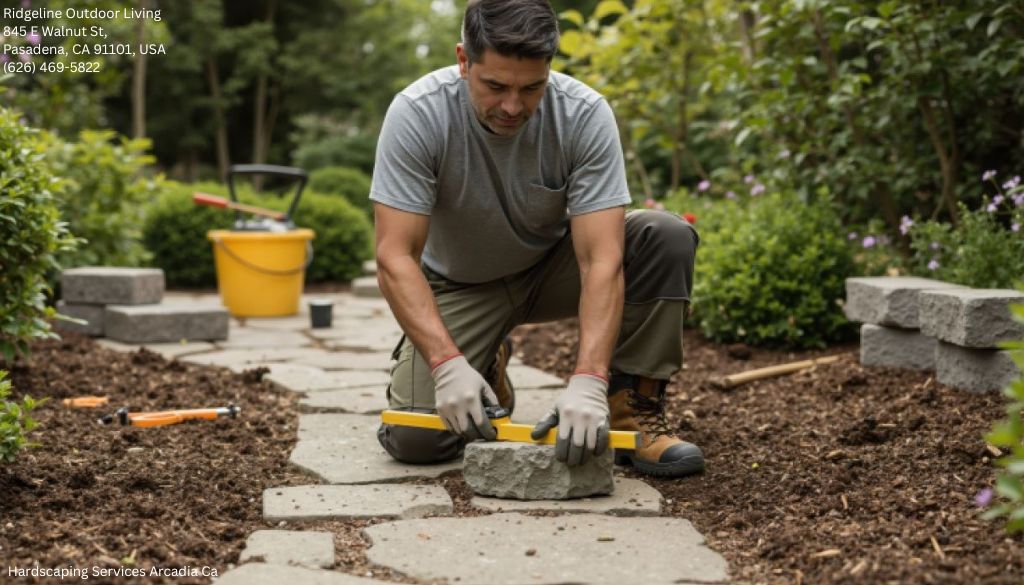
There is a functional side as well. Mulching helps moderate soil temperature, suppress weeds, and hold moisture. Around trees and shrubs, it can reduce mower damage and support healthier root zones, provided it is applied correctly and not piled against trunks. That ties directly into Tree Care, which buyers increasingly appreciate, especially on established properties where mature trees add significant value and comfort.
A mature tree framed by a simple seating area, protected root zone, and attractive understory planting often adds more emotional appeal than a dozen trendy accessories.
Artificial turf, where it helps and where it misses the mark
Artificial turf remains divisive, but buyers are often open to it in the right application. Small side yards, dog runs, narrow strips that never thrive, and compact play areas can benefit from synthetic grass if drainage, base prep, and edge detailing are done properly. It delivers a green look with less mowing and can support Low-maintenance gardens where homeowners want order without constant care.
That said, not all artificial turf ages gracefully. Cheaper products can look shiny, mat down, and trap heat. Poor installations create wrinkles, drainage issues, or obvious seams. In hot climates, surface temperature is a genuine concern. Families with children or pets often notice that quickly.
The strongest use cases are usually partial, not total. Buyers tend to respond better when Artificial turf is used as one element within a larger, balanced design. Combined with hardscape, shade, and drought-tolerant planting, it can solve practical problems. Wall-to-wall synthetic lawn, especially in front yards, can feel overdone and less natural.
Lighting that makes the yard usable after sunset
Landscape lighting is one of the most underrated hardscape companions. A patio or path may look fine during the day, but buyers become much more engaged when they see how the space works in the evening. Soft step lights, subtle uplighting on a specimen tree, and downlighting around a seating area can make an ordinary yard feel finished.
The best lighting is usually quiet. It should improve safety and mood without turning the property into a stage set. Overly bright fixtures, visible glare, and inconsistent color landscaping in Arcadia by Ridgeline outdoor living LLC temperatures undermine the effect. Warm light generally feels more residential and welcoming.
Lighting is also where quality installation pays off. Hidden wiring, durable fixtures, and accessible transformers reduce future headaches. Buyers may not inspect every component, but they sense when the system was built carefully.
Storage, screening, and all the practical things that protect the view
Modern buyers love clean outdoor spaces, but someone still needs a place for trash bins, hoses, tools, pool equipment, and air-conditioning units. Hardscaping that handles those realities well tends to win quiet approval.
A short screen wall, a slatted enclosure, or a service courtyard finished in the same materials as the main patio can keep functional zones from dragging down the whole landscape. These features matter because they preserve visual order. When buyers see a yard with a beautiful dining terrace but garbage cans parked in full view, the illusion breaks.
This is also where the best landscaping ideas often show maturity. The designer is not only thinking about the postcard angle. They are planning for routine life.
What buyers notice when hardscaping is done poorly
Good hardscape attracts attention. Bad hardscape raises questions about cost and risk. Buyers are often more alarmed by a failing patio or wall than by neglected planting because they know repairs can become expensive fast.
They notice settling pavers, puddling water, loose stone treads, wall cracks, mismatched patch jobs, and slippery surfaces. They notice when stairs feel awkward or railings seem absent where they should exist. Even if they cannot diagnose the cause, they read these signs as deferred maintenance.
A few problem areas come up repeatedly in real projects:
- Patios set too low relative to surrounding grade, which leads to standing water and splashback on the house.
- Retaining walls built without proper drainage, eventually bowing or staining.
- Paths and steps with inconsistent riser heights, making them uncomfortable and sometimes unsafe.
- Tree roots ignored during installation, resulting in future upheaval of pavers and damage to Tree Care efforts.
- Hardscape that overwhelms the lot, leaving no room for planting, shade, or visual softness.
These are the kinds of issues that can turn a supposed upgrade into a negotiation point.
The best landscapes blend hardscaping with planting
It is tempting to discuss Hardscaping as though it exists apart from the garden, but buyers respond most strongly when the two are integrated. A patio without planting can feel stark. A yard with beautiful shrubs but no place to sit feels incomplete. The sweet spot is a structured outdoor space softened by living material.
This is where Gardening still carries weight. Layered planting around patios and paths gives scale and comfort. Native plants can support that beautifully, especially when chosen for texture, seasonal performance, and local resilience. A restrained palette often works better than a collector's garden when resale is a consideration. Buyers generally prefer landscapes that feel edited rather than busy.
Shade matters too. Hardscape gains value when there is relief from sun, whether from a mature tree, a pergola, or thoughtful orientation. In warm regions, a comfortable shaded patio can be more persuasive than a larger uncovered one.
Where homeowners should spend first
When budgets are limited, the smartest investment is usually not the fanciest feature. It is the feature that solves the largest usability problem. That may be a proper patio, a stable entry walk, grading and drainage corrections, or a retaining wall that unlocks flat space. Once those fundamentals are handled, extras such as fire features, decorative walls, or outdoor cooking zones become more worthwhile.
If a yard already has good bones, refining the details can produce a strong return. Fresh Garden Mulching, updated edging, improved lighting, and better transitions between lawn and beds often sharpen buyer perception more than people expect. The same goes for replacing thirsty, underperforming lawn areas with a mix of hardscape and climate-appropriate planting supported by Water-wise irrigation.
The homes that stand out are rarely the ones with the most expensive yard. They are the ones where every element seems to belong.
What modern buyers are really asking for
Underneath all the talk about pavers, walls, turf, and terraces, buyers are asking a simpler question: can I use this space without fighting it? They want a yard that supports real life, looks attractive in every season, and does not demand constant repair or excessive water. They want Low-maintenance gardens that still feel warm and inviting. They want pathways that make sense, seating that feels natural, and outdoor areas that look as though they were designed for people, not just photos.
That is why hardscaping remains such a powerful part of modern landscaping ideas. It provides order, comfort, and permanence. When it is paired with thoughtful planting, sensible Mulching, proper Tree Care, and regionally appropriate choices such as Native plants or Xeriscaping strategies, it creates something buyers recognize landscaping guide immediately. Not just a yard, but a place they can imagine calling home.
