The Durability Difference: Why Custom Garage Cabinets Last Longer
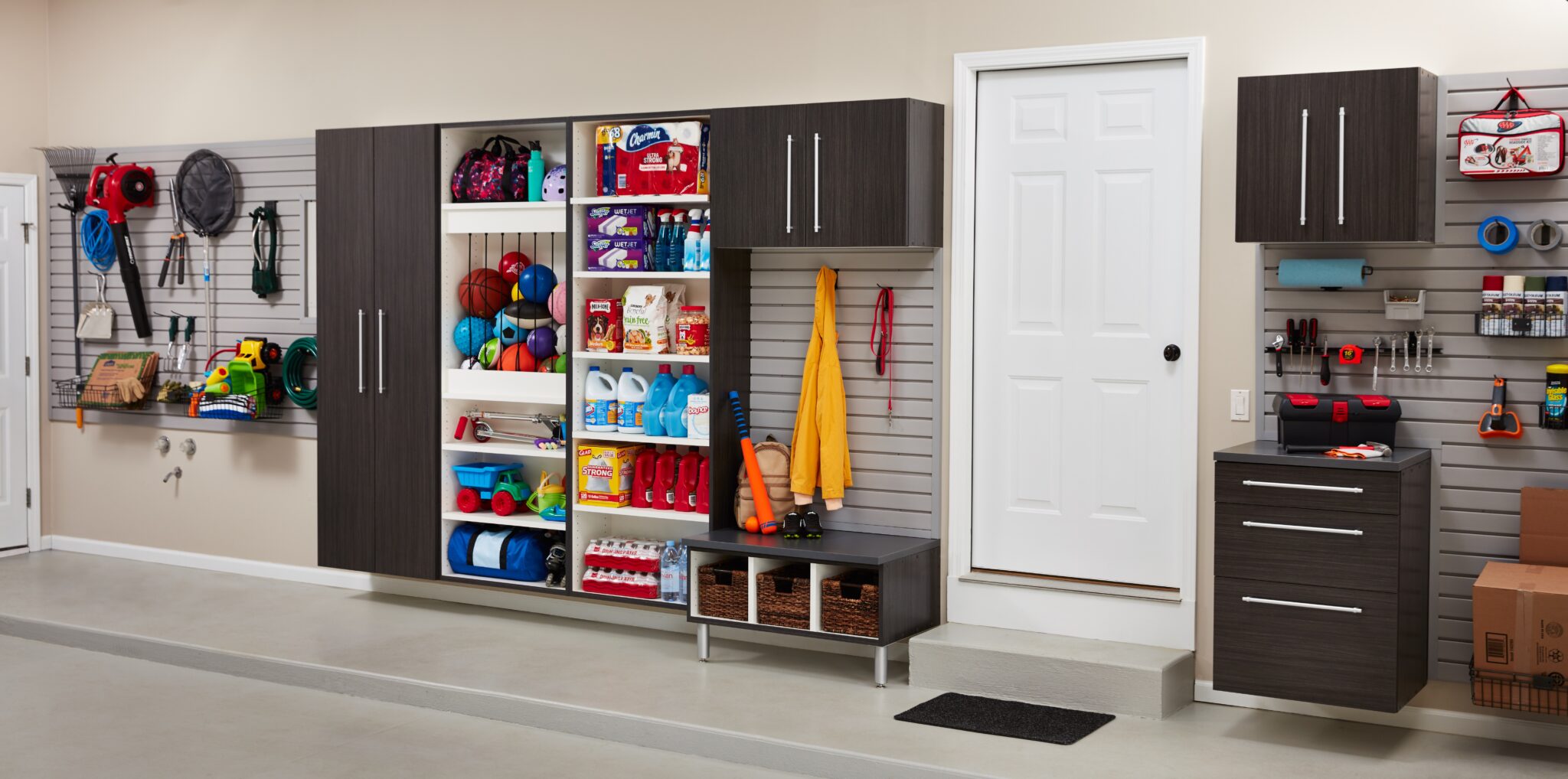
Garages are hard on storage. Heat swells doors, cold stiffens hardware, humidity chases finishes off the edges, and every shelf becomes a test bench for paint cans, tool cases, and the odd car part you forgot weighed 40 pounds. I have pulled sagging big‑box cabinets off garage walls and I have opened 12‑year‑old custom installs that still shut with a satisfying click. The difference is rarely cosmetic. It is usually in the bones, the hardware, and the way the system was anchored to a crooked wall on an imperfect slab.
If you have ever watched a budget cabinet deform under a row of oil jugs or seen laminate blister where a slab wicked moisture into particleboard, you already know why longevity matters. The point of storage is to disappear into the background. Custom garage cabinets do that for years longer because they are designed for the load, environment, and installation reality of a garage, not a kitchen or a catalog photo.
Where mass‑market cabinets typically fail
Most off‑the‑shelf cabinets are built to hit a price point and a box size. That affects almost everything that counts. Particleboard is lighter and cheaper than plywood, and melamine is easier to clean than paint, so you get a light core with a slick surface. It looks fine on day one. On day 400, shelf pins have wallowed out their holes, doors have a gap that grows every season, and the bottom edges look chewed because the slab wicked up water from a wet‑car day and swelled the core.
I have taken apart three‑year‑old units with cam‑lock fasteners that worked loose. Those cams are fine in a dorm room, less fine when a shelf of automotive fluids vibrates every time you close the garage door. The fastener heads crush the fiber around them, and the joint starts to move. Once a cabinet box starts flexing, the doors go out of square, the hinges fight to keep alignment, and the wear cycle accelerates.
Hardware tells a similar story. Lightweight European hinges are great when the door is light. Add a 20‑inch deep garage door with a slab core and you will see hinge screws loosen and hinge arms warp. Cheap slides feel gritty after a year of dust and occasional grit in the bearings. You can replace them, but most people do not notice until a drawer jams under load.
A final weak link shows up at the wall. Some mass‑market cabinets hang on a thin French cleat or a few wall brackets. If those brackets miss the studs or the screws are undersized, the box slowly tilts forward. You may not see it until the day a loaded cabinet kisses the hood of your car. Proper wall anchoring is a quiet form of durability.
Materials that hold up when the garage fights back
Longevity starts with core materials. In a garage, moisture, heat, and load are not theoretical. They show up every season. If you are comparing options, look first at what you cannot see inside the edges.
Plywood vs. Particleboard vs. MDF. A high‑quality cabinet‑grade plywood has thin, uniform plies with minimal voids. It resists screw pullout and handles moisture swings better than particleboard. MDF machines cleanly for painted doors and trims, but it is heavy and drinks water if exposed. Particleboard has its place in cost‑conscious interiors, yet in most garages it proves brittle and weak at screw connections. I have seen properly edged and sealed particleboard hold up in dry climates, but any water intrusion, even from condensation at the slab, can telegraph into swelling at the bottom edge. If a garage cabinet company promises longevity, expect to see plywood in the carcass, or a high‑density composite specified with edge sealing and a moisture barrier at the base.
Thermally fused laminate vs. High‑pressure laminate vs. Paint. Thermally fused laminate (TFL, often called melamine) bonds directly to the core. It gives a clean, wipeable surface. On plywood, it can be a very practical skin. High‑pressure laminate (HPL) is thicker and tougher. When you put HPL on a balanced substrate with matching backer, it shrugs off abrasion and holds up to years of sliding bins. The edges matter more than the faces. A 1 mm PVC edge band, properly fused, outlasts a brittle .3 mm edge that chips like an eggshell. For painted finishes, catalyzed conversion varnish cures hard and resists garage chemicals much better than standard lacquer or wall paint.
Metal cabinets deserve mention. Powder‑coated steel with welded seams can be excellent when built with enough gauge. Thin metal rattles, dents, and flexes. There is a reason good shop cabinets use 16‑18 gauge steel with reinforced corners. In hot places, like a Garage cabinet in Las Vegas, NV, metal heats up like a radiator. If you store adhesives or finishes, a well‑insulated wood cabinet with shaded placement avoids cooking the contents.
Countertops and work surfaces. A laminated plywood top with HPL resists glue, oil, and sliding toolboxes. But if you routinely beat on a surface, butcher block or a steel skin makes sense. I have installed both. Wood feels better underhand tools and is easy to refinish. Steel laughs garage cabinet installers at solvent spills and hot parts. The weight you place on the top dictates the cabinet construction beneath it. A 150‑pound granite remnant looks classy. It also requires stout support rails and deeper wall anchors.
Joints and joinery that stop the wobble before it starts
The way a cabinet goes together might be the single biggest predictor of its future. Dadoes and rabbets create surface area and register parts square. Pocket screws add clamping force but do not replace a proper joint. Cam locks are great for flat‑pack shipping but they rely on compressing fiber, which loosens with heat cycles.
I like to see dadoed backs set into the carcass, not a thin back tacked on. The back panel acts as a diaphragm, bracing the whole box against racking. Glue area matters. A full bead in a dado gives far more long‑term stiffness than screws into an edge. In drawers, a dovetail joint spreads stress across the corner and keeps the front face tight when you yank a loaded drawer. A doweled or confirmat‑screwed carcass can also be very strong if the holes are precise and the fasteners are sized correctly. The point is not to be romantic about joinery, it is to put the strength where the load lives.
Shelves fail in two ways: they sag or they rip out of the sides. Long spans demand thicker material or intermediate supports. A 36‑inch wide shelf in 3/4 inch plywood will hold up to 80 to 120 pounds evenly distributed before you notice deflection. That is not much when six gallons of paint alone weigh roughly 54 pounds. Custom garage cabinets often bump to 1 inch thick shelves or add a front edge stiffener. On adjustable shelves, metal shelf pins with a locking notch and lined rows drilled cleanly prevent the creeping oval holes that let shelves tip.
Hardware designed for real weight, not brochures
Hinges and slides quietly decide whether a cabinet will still feel right after a decade. European‑style concealed hinges are superb when they match the door size and weight. I look for brands with published fatigue data, thick mounting plates, and screws that bite into wood, not into plastic anchors. Soft‑close is not a luxury in a garage. It reduces slamming, which protects the joinery over thousands of cycles.
For drawers, full‑extension slides rated at 100 pounds are bare minimum in garages. Deep drawers stacked with hand tools can push 120 to 180 pounds. When I specify, I start at 150‑pound under‑mounts for large drawers, or side mounts in the 200‑pound class when the payload is ridiculous. The difference shows when a drawer three‑quarters out does not chatter or sag.
Handles and pulls seem trivial until you try to open a door with a gloved hand or greasy fingers. Larger pulls, mechanically fastened with through bolts and washers, stay tight. Tiny face screws into soft cores tend to loosen season by season.
Environmental realities in places like Las Vegas
A Garage cabinet in Las Vegas, NV lives a different life than one on the Oregon coast. Desert heat pushes garage interiors past 110 degrees on long summer afternoons. In winter, nights can be chilly, though not freezing. Dust rides in with every breeze. If your cabinets sit on a slab, any water spilled during a car wash, or runoff from a summer monsoon, can wick into the base.
Custom design addresses each factor. Heat causes materials to expand at different rates. A properly sized reveal gap between doors stops binding when the temperature swings. Heat also stresses adhesives. A garage cabinet company that builds for the Southwest will use high‑temperature glue lines for edge banding and laminates. Dust infiltrates slides and hinge arms. Higher‑grade slides have better seals and plating. I have taken drawers apart after five years in a dusty shop and found cheap slides pitted and grinding, while a good zinc‑plated or stainless ball bearing slide was still smooth.
Humidity may be low most of the year in Las Vegas, but concrete stores moisture. Without a toe kick gasket or a base rail that lifts boxes above the slab by at least 2 inches, the first flood runs right under the door and into the cabinet bottoms. I prefer to keep the lowest shelf a few inches above the floor and to scribe a separate base with pressure‑treated or composite material. In flood‑prone garages, wall‑hung systems that keep boxes entirely off the slab avoid the problem altogether. That puts more stress on the wall anchoring, which needs to be planned, not guessed.
Sunlight is often overlooked. If your garage door faces south or west, UV can pour into the space. It fades cheaper finishes and dries out wood. A UV‑resistant topcoat or laminate, combined with strategic placement, slows that degradation. On one Garage cabinet installation facing west, we added simple interior gaskets and chose a matte HPL with better UV stability. Five summers later, the doors still match the side panels.
Installation is a structural event, not a delivery
Even perfect cabinets fail early when they are hung casually. Most garages have walls that are out of plumb by 1/4 to 1/2 inch over eight feet, and slabs that roll in strange ways. Custom garage builders start with a laser, then they shim, scribe, and sometimes fur out a wall to get a true plane. Boxes share load through continuous cleats or rails, not a couple of brackets wherever a stud happens to be. I like ledger rails that land on multiple studs, lagged with 5/16 inch or 3/8 inch hardware. On metal studs, you need specialty anchors or to locate at structural points. In older block garages common in parts of Las Vegas, sleeve anchors sized to the block web and placed away from mortar joints give a better hold.
Seismic considerations exist in Nevada. You will not build for California code unless required, but a few extra screws through backs into studs, and securing tall pantry cabinets at two heights, dramatically reduces risk in a shake or even a hard door slam. If you mount a heavy countertop, tie base cabinets both to each other and to the floor when the design permits. Adhesive plus mechanical fasteners helps the unit act as a single structure.
Electrical and plumbing cross through many garages. I once arrived for a retrofit where a DIY install pierced a hidden irrigation line. A professional Garage cabinet installation maps utilities before drilling. It is dull work. It is also part of why pros last.
Design that prevents abuse
Durability is not just thicker materials. It is anticipating how a garage gets used. Tall doors flex more. Splitting a 7‑foot tall cabinet into an upper and lower door, with a mid‑rail, halves the leverage on hinges. Deep drawers invite overloading. Adding dividers or specifying double slides on a wide drawer keeps glides in their sweet spot. Open cubbies near the garage entry catch the daily abuse, so you save doors from kicks and bumps. Chemical storage belongs in ventilated, lockable compartments, away from heat and out of reach of children, with metal drip trays or lined shelves that can shrug off a slow leak.
Ventilation matters if you store off‑gassing items like gasoline equipment. A thin vent slot at the cabinet back, combined with a louvered door or a gapped toe kick, relieves pressure. I have also placed perforated steel panels in door centers for airflow while keeping dust down with interior baffles.
Cost and lifecycle math that favors custom
Custom cabinets often price 30 to 80 percent higher than boxed units for the same linear footage. That stings if you only look at the invoice. But a fair comparison runs on a ten‑year horizon. Replacing a failing system is not just the cost of new boxes. It is your time to empty them, the disruption, and sometimes wall repair. Good cabinets typically outlast two sets of cheap ones. When you include maintenance, fewer replacements, and preserved value if you sell the home, the delta narrows.
There is also the ergonomics dividend. A system built to your layout and habits reduces clutter creep. That means fewer ad‑hoc shelves and hooks that multiply holes in drywall and turn every grab for a tool into a rummage. Saving five minutes a day because everything has a place pays back the premium surprisingly fast.
When prefab is perfectly fine
Not every garage needs a fully custom system. If you rent, or if your storage needs are light and dry, modular steel units on casters can be a smart, durable option. They move with you. Likewise, melamine boxes can work if you raise them above the slab, seal all exposed edges, avoid overloading, and accept a shorter lifespan. The key is honesty about use. If you plan to stack heavy bins and store solvents, go custom. If you need a clean spot for holiday decorations above a dry floor, a tempered prefab may do.
What to look for in garage cabinet builders
Choosing a builder or a garage cabinet company is the hinge point between a brochure promise and a ten‑year garage cabinets reality. The right team designs for your environment, builds with materials that make sense, and installs with structural respect. Here is a short checklist to separate marketing from craftsmanship:
- Ask for substrate specifics and edge treatment details. Plywood grade, HPL vs. TFL, and edge thickness tell you most of what you need about core durability.
- Look at hardware specs with published load ratings. A real brand and a number beat generic soft‑close claims.
- Inspect a sample box or an in‑progress shop build. Dadoed backs, clean drilling, and even glue squeeze‑out are good signs.
- Request a written installation plan. Stud layout, anchor type, and leveling approach belong on paper.
- Talk through heat, dust, and moisture mitigation. Local Garage cabinet builders should have answers tailored to your area, especially for a Garage cabinet in Las Vegas, NV.
Maintenance that keeps good cabinets great
Even the best system benefits from light maintenance. The rhythm is simple and infrequent, and in a garage it prevents small grit from becoming big wear.
- Vacuum drawer slides and hinge cups twice a year. A dry brush and shop vac clear grit that grinds bearings.
- Wipe edges and door tops with a damp cloth. Dust cakes at horizontal ledges, then wicks into edges over time.
- Check and snug hardware annually. Handle bolts and hinge screws loosen with temperature cycles.
- Re‑seal exposed edges if you see wear. A quick pass with edge sealer or a matched paint keeps moisture out.
- Inspect wall anchors every couple of years. Look for a growing gap at the top of a cabinet or a loose cleat, then address it before weight makes it worse.
A Las Vegas case study from the field
Five summers ago, a homeowner in Summerlin called about cabinets that had begun to lean. They were five‑year‑old melamine units, set directly on the slab, with a long 8‑foot counter run. The west‑facing garage door made the space an oven by midafternoon. The cabinets had swelled at the toe, and the counter had sunk toward the center by half an inch. Paint cans had spent two years on the same shelf, which had bowed and dipped the pins until the shelf slipped.
We replaced them with a wall‑hung system, lifting the base 5 inches off the floor. Carcasses were 3/4 inch plywood with a white TFL interior for light and a gray HPL exterior for toughness. Shelves were 1 inch thick with a hidden aluminum U‑channel at the front to stiffen long spans without visual bulk. Doors were split into upper and lower to reduce hinge stress. Slides on the deep drawers were 200‑pound side mounts, over‑spec’d on purpose. We used a continuous 1x4 plywood cleat lagged into every available stud and added three sleeve anchors into the adjacent block wall. Edge banding was 1 mm PVC bonded with metal garage cabinets a high‑temp adhesive.
The summer after install, the homeowner called to ask if we had put some kind of damper on the doors because they felt smoother than his kitchen. The answer was no. They just were not fighting a racked box and wobbling hinges anymore. I stopped by last month. The toe space had one scuff. The rest looked new. Most important, the counter was still level to the eye and to the level.
How design decisions show up nine years later
Longevity often looks like nothing. Doors stay lined up. Drawers slide without a thunk. The system feels quiet. Underneath that calm are dozens of micro‑decisions.
A 3‑inch overhang on a top with a steel support bracket every 24 inches prevents that subtle smile‑shaped sag. A scribed side panel that follows a wavy wall by 1/2 inch means the cabinet sits flush and the fasteners do not have to bend it into compliance. A filler strip between a tall cabinet and a side wall eliminates a dust‑trap gap that would otherwise grind grit into a door edge. Vent holes behind a cabinet that holds yard chemicals keep fumes from swelling finishes from the inside. These things rarely appear on product pages. They are the craft that Custom garage cabinets invite and box systems cannot deliver.
Planning your layout for less wear and more ease
Organization choices can extend the life of hardware and shelves. Place heaviest storage between knee and chest height. That way, you lift less and slam less. Assign a deep drawer for power tools instead of stacking their cases on a shelf, which pushes weight out past the door and stresses hinges. Keep frequently used items in shallower, shorter‑throw drawers. The slides on those drawers see the most cycles, and a lighter load extends their life. Dedicate one cabinet for dirty storage, like auto fluids and garden chemicals, with a lined bottom shelf and easy‑clean surfaces. That protects the cleaner parts of your system from accidental spills.
Leave at least 1 inch of air gap behind full‑height cabinets when feasible, especially against exterior walls. Garages breathe. A little space reduces condensation risk and lets dust fall rather than pack. If you build to the ceiling, consider a soffit that closes the top. It keeps dust from settling where you will never clean and stops hot air from toasting the top panel for years on end.
The quiet advantage of accountability
When you buy from a local garage cabinet company, you are buying a relationship as much as a product. If a door warps, someone answers the phone. That accountability changes how people build. Corners get reinforced, hardware gets upgraded, and installers take the time to find every stud because they expect to see you again. In cities like Las Vegas, where word of mouth and neighborhood groups carry weight, the good Garage cabinet builders stay booked because their work keeps looking good. It is not magic. It is a feedback loop that mass manufacturers cannot match.
Final thoughts from the workshop floor
Durability is not one big thing. It is the accumulation of smart choices: heavier‑duty slides where you need them, plywood cores in carcasses that touch weather, HPL on counters that get abused, and installation that treats a garage wall like a structure, not a background. Custom garage cabinets last longer because they can make those choices in your favor, not in favor of a shipping carton or a price tag. If you want storage that disappears into the background and stays there, find a builder who talks about substrates and anchors before they talk about door styles. Ask to see their work after a few years. Then make your decisions with the long view, not the weekend sale. Your future self, tidier, calmer, and not replacing sagging shelves, will thank you.
Garaginization of Las Vegas
Address: 3321 Sunrise Ave Suite 103, Las Vegas, NV 89101
Phone number: (702) 444-5311
FAQ About Garage Cabinet Company
How much should garage cabinets cost?
Garage cabinets cost anywhere from $500 to $10,000+ depending on whether you choose DIY-friendly plastic/resin units, ready-to-assemble steel sets, or full custom installations. Costs scale based on the material, garage size, and whether you pay for professional installation.
Who has the best garage cabinets?
Finding the "best" garage cabinets depends on your budget and storage needs. For heavy-duty use and premium quality, NewAge Products is widely considered the best overall. For excellent mid-tier value, Gladiator is highly rated, while Husky provides the best budget-friendly metal options.
Is Garage Organization.com legit?
Yes, Garage-Organization.com is a legit e-commerce retailer that sells garage storage cabinets, shelving, and organizational systems. While they are a legitimate business, there are a few important things to know before you buy.
