Laser Hair Removal Aftercare: Do’s and Don’ts for Faster Healing
Good laser hair removal results are earned as much in the treatment room as in the days that follow. I have treated thousands of clients across skin tones and hair types, and the same pattern repeats: those who treat aftercare as seriously as the appointment see smoother skin sooner, need fewer touch ups, and avoid most side effects. Whether you booked a small area like the upper lip or a full body laser hair removal package, what you do in the first 72 hours sets the tone for the whole series.
This guide walks through what is happening to your skin after a session, how to care for it, and where the trade-offs live. I will call out differences for sensitive skin, dark skin and light skin, coarse hair and fine hair, as well as areas like the bikini line, underarms, face, and back. Expect practical details, not generic advice.
What your skin is doing after a session
During a professional laser hair removal treatment, a concentrated beam targets melanin in the hair shaft and travels down to the follicle, converting to heat. The follicle is disabled, not instantly ejected. That is why hair appears to “regrow” for a short time before shedding. Normal responses in the first few hours include perifollicular edema, which looks like tiny goosebumps, and mild redness. These are good signs that the energy reached the target.
The skin around those follicles is temporarily more vulnerable. Think of it like a low level thermal injury intended to shut down hair growth. The barrier can be slightly compromised, which is why heat, friction, sun, and aggressive actives are risky for a few days. Healing time varies with area and device, but most people stabilize within 24 to 48 hours and feel normal texture by day three.
Shedding and the timeline you should expect
Many first timers worry when hair seems unchanged two or three days later. Shedding typically starts around day 5 and can extend up to day 14, sometimes day 21 on legs where circulation is slower. The stubble you see is not fresh growth, it is the treated hair working its way out. Gentle exfoliation helps once the skin calms, but rushing it with scrubs in the first 48 hours just prolongs redness.
You will see patchiness between sessions. That is the nature of hair cycles. Only follicles in active growth at the moment of treatment are in play. This is why clinics recommend a series of laser hair removal sessions, usually spaced 4 to 8 weeks apart depending on the body area. Face sessions are closer together. Legs take longer.
The essential do’s
- Cool the skin with clean, soft compresses or chilled aloe gel in the first few hours to calm heat and reduce swelling.
- Use a bland, fragrance free moisturizer twice daily for at least three days to support the skin barrier.
- Apply a broad spectrum sunscreen SPF 30 or higher every morning, and reapply if the area gets sun exposure.
- Shave only, if needed, between appointments, and keep the razor clean to avoid irritation.
- Wear loose, breathable fabrics to reduce friction on treated zones.
The firm don’ts
- Avoid hot showers, saunas, steam rooms, and intense workouts for 24 to 48 hours, since heat can spike inflammation.
- Do not wax, tweeze, or thread between sessions, because you need the follicle present for the next laser pass.
- Steer clear of exfoliants and strong actives for 48 to 72 hours, especially retinoids, glycolic, and salicylic acids.
- Skip tanning beds and unprotected sun on the treated area for at least two weeks, ideally throughout the series.
- Hold off on perfumed products, deodorant on underarms, or makeup on the face for the rest of the day after treatment.
These lists cover the fundamentals. The nuance below helps you adapt for your skin, area, and schedule.

Cooling, comfort, and how to manage redness
Redness should look even and pink, not violently blotchy. Most clients find it fades within a few hours. If heat lingers, apply a cool gel pack wrapped in a soft cloth for 10 minutes at a time. Over the counter 1 percent hydrocortisone can be used very sparingly once or twice in the first 24 hours if a small patch is especially reactive, but do not use it as routine. A non occlusive, hydrating lotion with ceramides or squalane works better for most people. Heavy occlusive ointments can trap heat in the first hours, so wait until the skin is no longer warm.
A quick anecdote that may save you a week of irritation: athletes who come directly from a laser hair removal appointment to a spin class almost always regret it. The heat plus friction plus sweat is the perfect storm for folliculitis. Plan the session on a rest day or early evening when you can take it easy afterward.
Showering, bathing, and swimming
Tepid showers are fine the same day. Hot showers, long soaks, and baths should wait 24 to 48 hours. Chlorinated pools or hot tubs often sting and can trigger a rash on freshly treated skin, so give it a day or two. Ocean swims are less irritating than hot tubs, but saltwater and sun together are not the best combination in the first 48 hours.
If the bikini or brazilian area was treated, rinse sweat after any light activity and change into dry underwear promptly. Moisture plus tight elastics can rub the hair exit points and prolong redness.
Makeup, deodorant, and fragrance
For face and upper lip, mineral makeup can be used the next day if the skin looks calm. Many people tolerate a light mineral powder the same evening, but I still advise waiting until the morning. Use clean brushes and remove it gently at night. For underarms, resume deodorant after 24 hours. Fragranced lotions, body sprays, and active toners can wait 48 hours.
Sunscreen that actually helps
Sun protection is not just a talking point. Post treatment pigmentation changes are the most common complaint in laser hair removal reviews, particularly in sunny climates and on darker skin tones. Use a broad spectrum SPF 30 or higher every morning on exposed treated areas, even if you think you will be indoors. Reapply if you walk at lunch or sit by a window. Mineral filters like zinc oxide and titanium dioxide are well tolerated by sensitive skin. Chemical filters work too, but if you sting after application, switch formulas.
If you are planning a beach holiday, schedule your laser hair removal sessions so that you have at least two weeks before heavy sun exposure. A reputable laser hair removal clinic will remind you of this during your consultation. Tanning, whether natural or sunbed, changes how energy is absorbed and can push your settings lower, compromising results and raising risk.
Gentle exfoliation and the shedding phase
Exfoliation helps loosen shedding hairs, but only once redness is gone and the skin feels normal. Start with a soft washcloth in the shower around day 4 to 7. If your skin tolerates it, a mild lactic acid body lotion, used lightly every other day after day 5, can smooth legs and arms without rough scrubbing. Aggressive body brushes, sugar scrubs, or loofahs in the first week are a fast track to irritation bumps that look like acne. These bumps are usually inflamed follicles, not infection, and calm down with rest, cool compresses, and time.
A common myth is that you have to exfoliate hard to see hair fall out. You do not. The follicle already released the hair. You are only helping clear the exit.
Differences by area: face, bikini, underarms, legs, back, and chest
Facial skin tends to react fastest but also demands the most restraint. For laser hair removal face sessions, especially the upper lip and chin, skip retinoids for three nights before and three nights after. Men with thick beards who choose cheekline cleanup notice more swelling than women on the upper lip, purely due to density. Use ice packs gently for comfort and avoid tight face masks or beard guards for 24 hours.
The bikini and brazilian areas experience more friction from clothing. Choose soft cotton underwear and avoid thongs on day one. For laser hair removal bikini clients prone to ingrowns, the series is a game changer, but expect a purge phase when old ingrowns work their way out. Do not pick at them. A warm compress and gentle massage with a bland moisturizer helps more than salicylic acid in the first week.
Underarms handle treatment well, but deodorant stings the same day. This is one of the few spots where I reliably tell people to wait a full 24 hours. Many of the long wear formulas contain alcohol or fragrance that flare post laser.
Legs look the least red but shed the slowest. Do not confuse slow shedding for ineffective treatment. If you have coarse hair on the thighs, day 10 to 14 is often when you notice hair wipe away in the shower.
Back and chest sessions for men cover large territory, which amplifies heat load. Keep showers cool and wear loose tees for 48 hours. Gym sessions that involve bench presses, backpack straps, or sandbag carries add a lot of friction. Plan around this and you will avoid a peppered rash across the shoulder blades.
Skin tone, hair type, and how aftercare adjusts
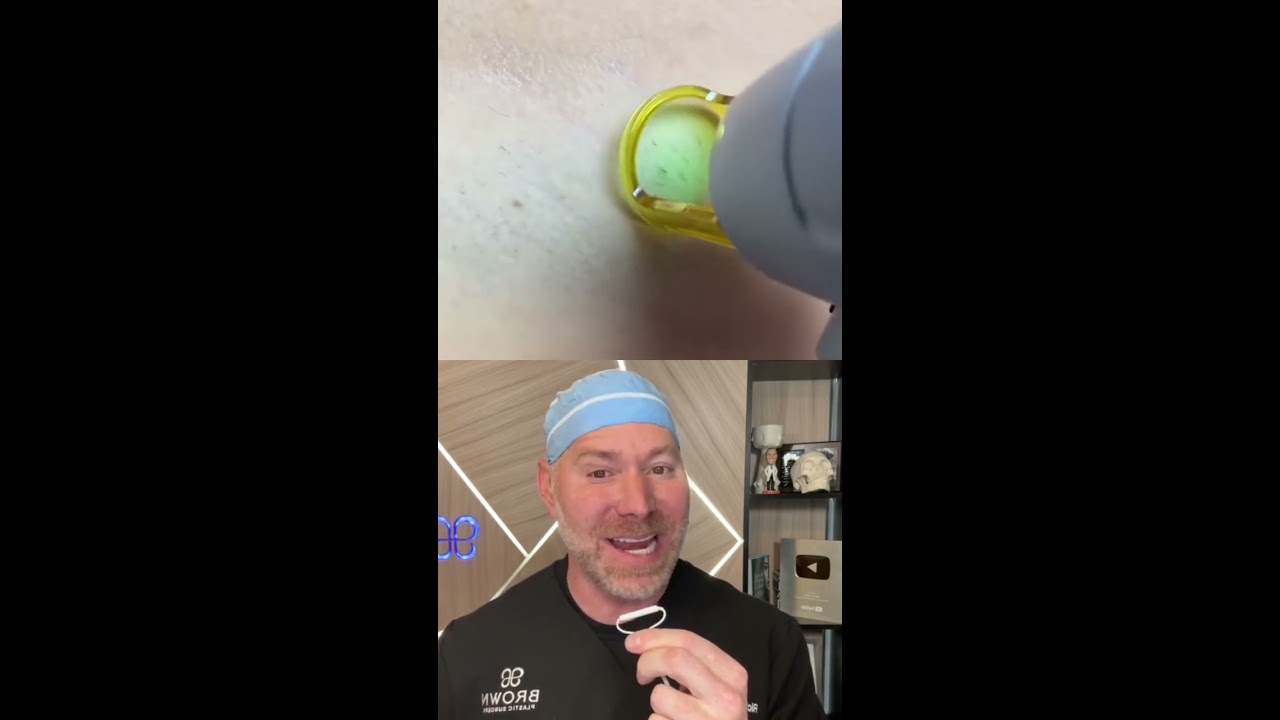
Laser hair removal dark skin protocols use longer wavelengths and conservative energy to protect the epidermis while still heating the follicle. Aftercare is the same in spirit, but the stakes with sun are higher. Hyperpigmentation risk rises with any post treatment inflammation, including friction. Stick closely to the do’s and don’ts and be extra careful with sunscreen and loose clothing.
Light skin with coarse dark hair tends to respond quickly and can tolerate slightly quicker returns to actives, but give yourself at least two calm nights. For fine hair, especially on the face, settings run lower. Redness may be minimal, yet the barrier still benefits from fragrance free hydrators and a pause on exfoliation.
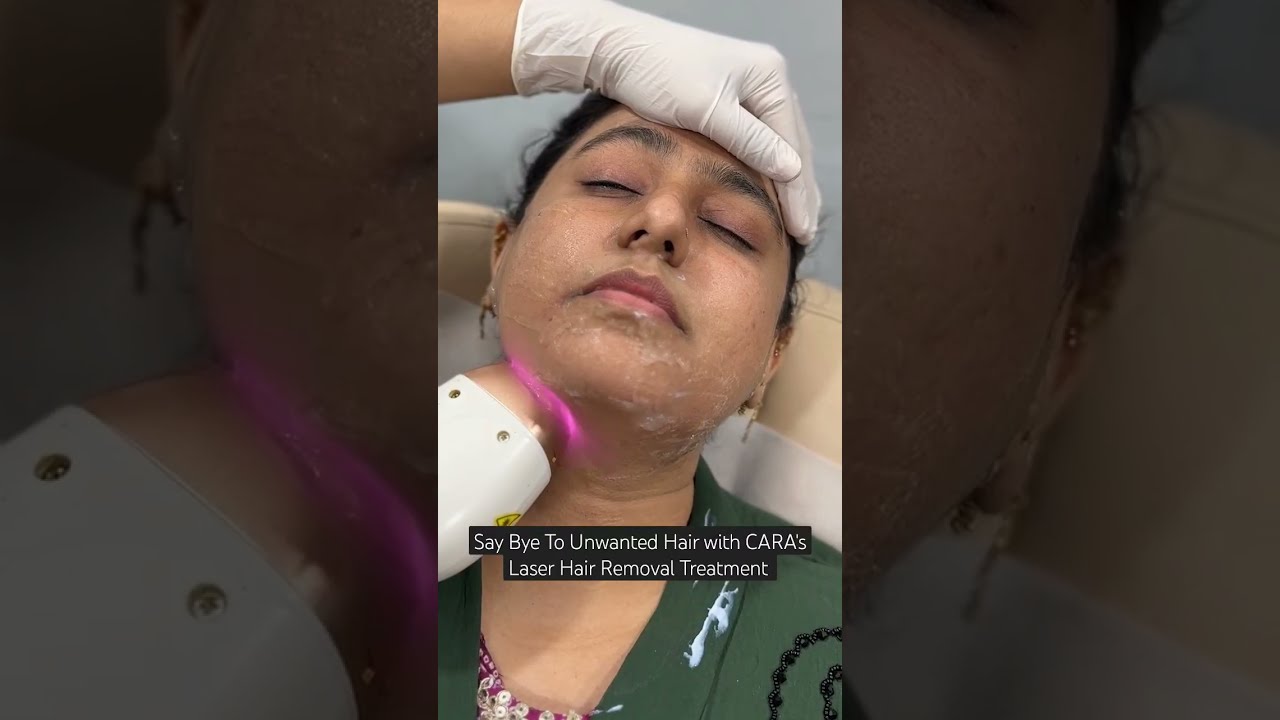
Sensitive skin clients, those with rosacea or eczema, should moisturize more often and keep water lukewarm. Consider a barrier repair cream with ceramides morning and night for three days. Skip anything that tingles.
Shaving, trimming, and what not to remove
Shaving is the only approved method of hair management between sessions. It keeps the follicle intact and reduces surface heat during the next laser pass. Waxing, tweezing, threading, or depilatory creams remove the target. If you do any of those, your next laser hair removal appointment will waste time and money. For best results, shave within 24 hours before your booking unless your provider instructs otherwise for a specific machine.
A quick note for athletes and swimmers who rely on very close shaves: do not dry shave a freshly treated area. Wait at least 24 hours, use a clean razor, and a bland shaving cream. The goal is glide without fragrance.
What is normal vs when to call your clinic
Normal in the first 24 hours: mild redness, light swelling around follicles, a sensation of warmth, and slight itch. These fade progressively. Normal in the first week: shedding that looks like stubble working out, some patchiness, a few tender follicles.
Red flags: severe swelling beyond the treated area, blisters, crusting, or pain that intensifies rather than eases. Hyperpigmented or hypopigmented patches that appear a week later should be assessed, especially if you have a history of pigment change after injuries. A professional laser hair removal clinic or dermatologist can review, often recommending a topical steroid briefly, strict sun avoidance, and a specific calming regimen. Do not try to fix significant side effects with online hacks.
Products that pair well with aftercare
You do not need a suitcase of products. A simple kit works best. Choose a gentle, non foaming cleanser and a fragrance free moisturizer. Look for ingredients like glycerin, squalane, ceramides, or hyaluronic acid. Aloe vera gel soothes, as long as it is low fragrance and alcohol free. For sunscreen, a mineral SPF 30 to 50 lotion is usually the least irritating. If you are acne prone, select non comedogenic formulas. Fancy botanicals and essential oils sound nice but often sting post treatment.
For those who love actives, reintroduce them gradually. Retinoids can usually come back on night three for the face. Acids on the body can return after day three to five depending on reactivity. Vitamin C serums are generally fine by day two if your skin tolerates them.
Planning your series, downtime, and real expectations
Most clients need 6 to 8 sessions for significant reduction, with maintenance touch ups possibly once or twice a year. Permanent laser hair removal is a common phrase, but a precise way to frame it is permanent hair reduction. Hormones, medications, and life events can wake dormant follicles. When managed by laser hair removal specialists using dermatologist approved protocols, results are long term and impressive, but not immune to biology.
Booking around life helps. If you are choosing full body laser hair removal, split sessions if you have a heavy workout schedule or if your job requires high heat or tight uniforms. Ask for a laser hair removal consultation to map areas and cadence. Clinics often have laser hair removal packages that space sessions and may include aftercare kits. Review laser hair removal reviews that mention aftercare support, not just bedside manner during the appointment.
Laser hair removal cost varies widely. In large cities, small areas like the upper lip or chin can run from 50 to 150 per session, while legs, back, or full body can reach several hundred per treatment. Laser hair removal price is influenced by device type, provider credentialing, and geography. Affordable laser hair removal is possible through bundles, memberships, or seasonal laser hair removal deals, but evaluate value, not just the lowest number. A certified laser hair removal center with FDA approved equipment and experienced operators saves you risk and time, which is part of the total cost.
If you are searching laser hair removal near me, pay attention to training and oversight. Medical spas with dermatologist guidance or clinics where providers can adjust parameters safely tend to handle edge cases best. Quick laser hair removal is appealing, but rushing settings or skipping test spots for dark skin Houma, LA laser hair removal invites trouble.
Special cases: teenagers, pregnancy, and medications
For teenagers, timing matters. Hormonal flux means more sessions and more maintenance. I generally suggest waiting until growth patterns stabilize, and always with guardian consent. For pregnancy, most clinics defer treatment. Not because of proven harm, but because safety data is limited, the skin is more reactive, and melasma risk is higher. Breastfeeding clients often resume, but confirm with your provider.
Certain medications raise photosensitivity or bleeding risk. Oral isotretinoin is an absolute wait. Even topical retinoids need a pause several days before facial sessions. Spironolactone, some antibiotics, and herbal supplements that thin blood or heighten sensitivity deserve a mention during your intake. A thorough intake separates a professional laser hair removal service from a one size fits all salon experience.
Hair types that surprise people
Coarse hair on the underarms and bikini usually responds quickly and feels smoother after one or two visits. Facial peach fuzz is different. The laser needs pigment to see the target. Fine vellus hair, especially light hair, may not respond and can, in rare cases, paradoxically grow. A conservative test area and a candid conversation during your laser hair removal consultation prevent disappointment.
Body hair on the chest and stomach in men may be mixed, with coarse central hair and finer lateral hair. Expect better results in the coarse zones. Back hair often has deep rooted follicles, so true results show heavily at session three onward.
The role of technology and technique
Advanced laser hair removal machines, such as diode, Nd:YAG, or Alexandrite systems, each have strengths. Darker skin tones do best with YAG wavelengths and careful cooling. Lighter skin with dark hair often shines with Alexandrite or diode platforms. A skilled operator will tailor fluence, pulse width, and repetition rates, and will use adequate contact or air cooling. Your aftercare benefits from this technical match because properly delivered energy means less collateral heat and faster calming.
Pain free laser hair removal is a marketing phrase. Discomfort varies. Cooling, proper settings, and topical anesthetics for select areas make it tolerable for most. The intensity you feel is not a perfect proxy for effectiveness. Sharp zaps do not automatically mean better results. Even with the gentlest settings appropriate for safety, aftercare remains the same.
Setting expectations for laser hair removal results and maintenance
Laser hair removal before and after photos inspire, but they do not show the deliberate off days, the sunscreen habits, or the pauses on hot yoga in the first week. Plan your series during cooler months if that fits your life. For athletes in season, tackle small zones first. For those targeting laser hair removal for men on back and shoulders before summer, start by late winter so your shedding phase lands before beach weather.
After you complete the series, hair that returns is usually finer and sparser. Many people shave less often or not at all. A maintenance session once or twice a year is common, particularly for hormonally influenced areas like the face, chest, or stomach. Laser hair removal effectiveness shows in time saved and ingrown hairs avoided as much as in a smooth appearance. Clients who battled cystic ingrowns from waxing often call this the single biggest benefit.
Troubleshooting common hiccups
If you have small pimples or pus filled bumps after a sweaty day too soon post treatment, cleanse gently, cool the area, and apply a thin layer of an antibiotic gel if your provider has recommended one in the past. Avoid scrubbing. Most clear in two to three days.
If the area feels itchy on night two, that is normal. Resist scratching. An oral antihistamine at bedtime can help, as can a light layer of moisturizer cooled in the fridge. If itching is severe or paired with hives elsewhere on the body, call your clinic.
If hair does not seem to shed by day 14 on legs, try a warm shower and very light circular massage with a soft washcloth. Do not tweeze. If nothing changes by week three, bring it up at your next appointment. Your specialist might adjust energy, pulse width, or timing between sessions.
Choosing the right place and the value of follow through
Your provider relationship matters. A quality laser hair removal clinic will set expectations, provide written laser hair removal aftercare, and invite questions. Ask how they handle side effects. See whether a dermatologist or medical director oversees protocols. Read laser hair removal reviews for comments about aftercare responsiveness, not just price or décor. The best laser hair removal experience is not only about a powerful machine. It is about matching that power to your skin and then guiding you through healing.
Packages and memberships can bring the laser hair removal price down over a series. Laser hair removal offers, walk in options, or same day appointments can be convenient, but make sure a proper patch test and skin typing still happen. Safety and results are the point. Cheap laser hair removal that skips steps costs more in the end.
A final word from the treatment room
Aftercare is not complicated, but it is consistent. Cool it, calm it, protect it from sun and friction, and let the body do the rest. I have seen clients with sensitive skin, dark skin, and stubborn ingrowns transform their daily routine after a smart series. I have also seen excellent treatments marred by a hot yoga class on the same day or a weekend beach trip without sunscreen. The difference is not luck. It is the handful of choices you make in the 48 hours after each appointment.
Treat those first days like an investment in your laser hair removal results. Shave between sessions if you need to, shield your skin, and keep your products simple. If you are new and searching laser hair removal nearby, book a consultation, ask detailed questions, and request aftercare in writing. It is a service as much as a procedure, and the right partnership speeds healing, extends results, and makes the process feel almost effortless.
