Wood Beam Interiors: A Practical Guide to Aesthetics vs. Maintenance
I’ve sat through enough punch-list meetings to know the difference between a rendered dream and a functional reality. When an architect presents a vision featuring sweeping timber structures, the room usually goes quiet. It’s warm, it’s inviting, and it’s undeniably trendy. But before we get excited about the "biophilic vibe," I have to ask: Where is the daylight coming from, and how are we cleaning the dust off those ledges in three years?
Commercial spaces like the headquarters of Google or Apple often utilize wood to soften the sterile feel of corporate environments. However, these aren't just aesthetic choices; they are structural decisions that dictate flow, acoustic performance, and long-term facility management. If you’re considering wood beam interiors, you need to look past the Pinterest mood board and into the logistical weeds.
The Structural Reality: Why Wood Beams Aren't Just Decoration
The biggest mistake I see in office fit-outs is treating wood beams as an "overlay"—a decorative element added to a finished ceiling plan. Real structural planning shapes the interior space. If your beams are load-bearing or part of an exposed glulam system, they aren't just finishes; they are the skeleton that defines your zones.
When you look at projects featured in the Rethinking The Future Awards 2026, notice how the most successful designs don't force wood into the space. Instead, they allow the beam placement to dictate the functional zoning. If you put a heavy timber beam in the wrong place, you aren't just blocking a sightline; you’re making it impossible to install a necessary partition wall later.
The Maintenance Myth
Are wood beam interiors high maintenance? The short answer is: it depends on your finish and your ceiling height.
- Dust Accumulation: Large-scale beams act as dust shelves. In an open-plan office, this is a nightmare for HVAC filters and air quality.
- Finish Degradation: Trendy, raw-wood looks are porous. In high-traffic commercial spaces, these absorb oils, moisture, and odors. Always specify a commercial-grade, low-VOC polyurethane or hard-wax oil that can be wiped down.
- Fire Code Compliance: Don’t get me started on the fire marshal. In many jurisdictions, heavy timber requires intumescent coatings, which change the look of the wood. Know your local codes before you fall in love with a stain color.
Space Optimization and Flow: Designing for Humans
I get annoyed when I hear architects promise "productivity gains" without actually changing the layout. You can’t just throw a reclaimed beam over a desk and expect people to work faster. You need to consider how the structure impacts movement.
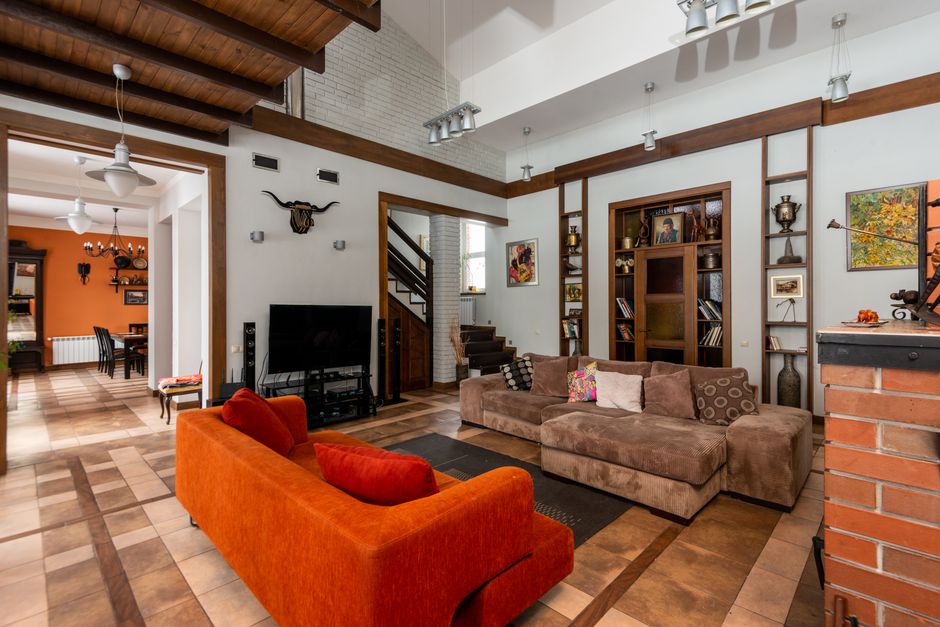
Take a cue from Microsoft’s design philosophy: choosing textures for commercial walls functional zoning. When we map out a floor plan, we use the beam structure to create "soft boundaries." A line of columns and beams can act as durable commercial finishes a natural threshold between a high-energy collaboration zone and a deep-focus quiet zone. If the beams are aligned with the window mullions, you reinforce the sense of order and natural light penetration.
Lighting Strategy: The Missing Link
Before you commit to a specific beam layout, look at your window placement. Nothing kills the beauty of a wood ceiling faster than poor lighting. If you place a heavy beam directly in front of a primary light source without accounting for the shadow it casts, you’ll end up with a gloomy, cave-like office that requires double the artificial lighting to compensate.
Strategic Lighting Table
Lighting Strategy Purpose Constraint Up-lighting Highlights beam texture Must clear dust off beams regularly Track Lighting Flexible for changing layouts Must avoid "shadowing" the floor Integrated LED Minimalist look Difficult to repair if the strip fails
What Does "Make it Modern" Actually Mean?
I constantly call out vague design briefs. When a client tells me they want the office to look "modern" with wood beams, I stop them. Do you mean Scandinavian minimalism? Industrial warehouse chic? Mid-century organic? These aren't just stylistic differences; they are maintenance differences.
An industrial warehouse look often leaves beams rough-sawn and exposed, which is a magnet for commercial debris. A Scandinavian look demands smooth, sealed timber that is easy to maintain. If you want to see how these styles evolve, check out the archives on Eduwik. They often feature projects that balance these competing needs—aesthetics vs. the reality of an office that needs to be vacuumed and dusted by a crew every night.
Functional Zoning: Noise and Privacy
One of the biggest failures in commercial design is ignoring ceiling heights until the MEP teams are already on-site. If your wood beams are too low, you lose the ability to hang sound-baffling clouds or acoustic panels. In a modern, open-plan office, wood beams alone will not stop the sound from bouncing around. You need to integrate acoustic treatments between the beams.
Small Layout Fixes That Save Big Money Later:
- The "Shadow Gap" Detail: Never butt your partition walls directly against a wooden beam. Use a 1/2-inch shadow gap to allow for structural movement and to hide the messy interface where the wall meets the ceiling.
- Conduit Routing: Plan your MEP routing before the beams go up. If you have to drill holes through structural beams to run cabling, you’ve just tripled your engineering costs.
- Access Panels: If you are running wires through a closed-beam system, design accessible panels disguised as decorative joinery.
The Verdict on Commercial Durability
Wood beam interiors are durable only if you treat them as part of the mechanical and structural system, not just a decorative layer. If you use trendy, unsealed materials in a high-traffic lobby, they will fail within two years. If you ignore the column grid and window alignment, your space will feel cramped and dark.
When you're reviewing the plans, stop looking at the rendering. Look at the reflected ceiling plan. Look at the wall sections. Ask where the light is coming from, and ask who is going to be cleaning that timber five years from now. If the architect can’t answer those questions, go back to the drawing board.
At the end of the day, the best commercial spaces—the ones we aspire to, like the best of the Rethinking The Future Awards—aren't just beautiful. They are logical. They respect the structure, they respect the light, and most importantly, they respect the people who have to work in them every day without tripping over a bad design decision.
