Why am I Suddenly So Hungry at 42 During Perimenopause?
Are you 42 or in your early 40s and wondering, "Why am I suddenly so hungry?" You’re not alone. Many women how to talk to doctor perimenopause notice unexpected shifts in their appetite around this age, especially during perimenopause — the years leading up to menopause. This change in hunger can feel confusing, frustrating, or even shame-inducing, but understanding what’s really going on can help you take control without guilt or strict dieting.
What Is Perimenopause and Why Does It Affect Hunger?
Perimenopause is the transitional time before menopause when your ovaries gradually make less estrogen and progesterone. Simply put, your hormones are changing, and these shifts can confuse your hunger signals.
- Estrogen: Usually helps regulate appetite and mood.
- Progesterone: Can increase food cravings and hunger when fluctuating.
- Insulin Sensitivity: May decline, influencing how your body manages blood sugar and hunger cues.
With hormone levels up and down like a roller coaster, your body’s natural feeling of fullness and hunger may get mixed signals. This can lead to an increase in appetite or unexpected cravings for certain foods, often at times you wouldn't expect.
Mood Swings and Emotional Eating: The Overlap
Perimenopause isn’t just about physical symptoms; mood swings are common due to those hormone fluctuations. Here’s the link many miss:
- Low estrogen
- When mood dips, emotional eating can kick in as a coping mechanism — often craving sugary or carb-rich foods.
- Unlike just "stress eating," perimenopausal emotional eating is tied directly to hormone-driven mood changes.
This emotional eating isn’t a character flaw or lack of discipline — it’s a natural, understandable response to your body's internal changes.
Hormones and Hunger Cues: What’s Really Happening?
Here’s a quick breakdown of the main hormones influencing hunger during perimenopause:
Hormone Effect on Appetite Simple Explanation Estrogen Usually suppresses appetite; low levels can increase hunger When estrogen dips, your body can feel hungrier even if you just ate. Progesterone Rises sometimes cause cravings, especially for salty or sweet foods High progesterone can make you want more snacks. Leptin Signals fullness; can become less effective leading to bigger portions Your "I'm full" message gets weaker, so you keep eating. Ghrelin Stimulates hunger; may increase unpredictably The hormone telling you to eat might shout louder.
Shame-Free Framing: Understanding Binge Episodes without Guilt
Many women describe sudden, hard-to-resist urges to eat large amounts of food — sometimes called binge episodes. Let's be clear: these are not due to weakness or poor willpower.
- Biological triggers: Hormone swings and disrupted hunger/fullness signals.
- Mood triggers: Anxiety, irritability, and sleep problems common in perimenopause can increase emotional eating.
- Past experiences and stress: Can amplify urgency around food for comfort.
Instead of shame, try compassion for yourself. These episodes are your body’s way of reacting to genuine discomfort — hormonal, emotional, and physiological.

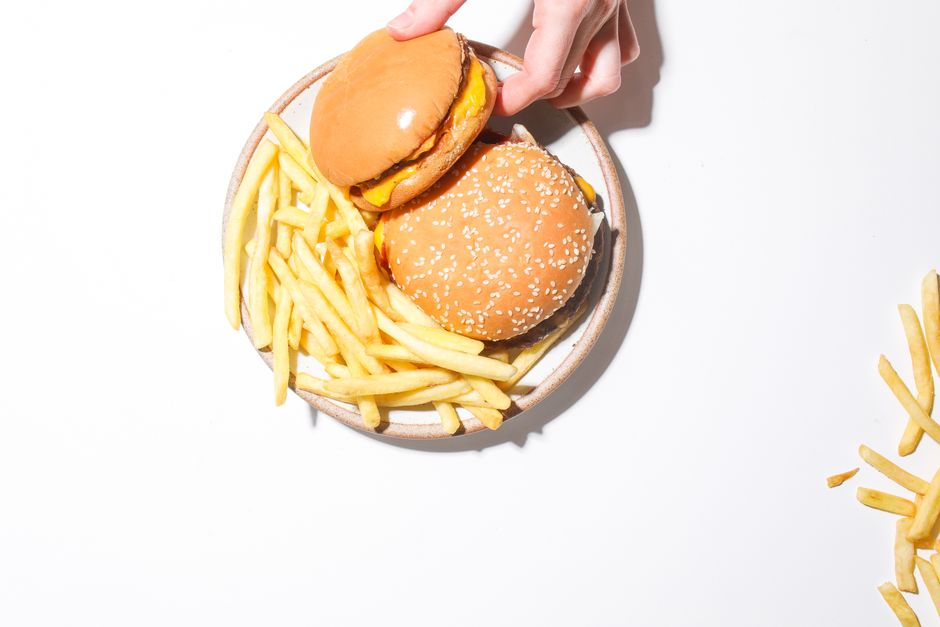
Try This Today: Managing Perimenopause Hunger and Midlife Cravings Checklist
Feeling hungry or craving more around age 42? Here’s a simple, shame-free checklist you can start with today:
- Eat balanced meals: Include protein, fiber, and healthy fats to stay fuller longer.
- Hydrate well: Sometimes thirst feels like hunger.
- Track your hunger: Keep a simple log of when and what triggers your appetite spikes.
- Mind your mood: Try stress-reducing techniques like deep breathing or short walks.
- Prioritize sleep: Poor rest worsens hunger hormones.
- Be kind to yourself: Binge episodes aren’t failures — they're signals to listen to your body.
- Seek expert support: Use trusted resources like FindATopDoc to find healthcare providers focusing on women's midlife health.
Remember: Your Midlife Cravings Are Normal
Perimenopause hunger and appetite increases at 42 or so aren’t about discipline or willpower. They’re about complex hormone shifts creating new body signals. Understanding these changes, framing them with estrogen fluctuations and mood swings kindness, and making simple lifestyle tweaks can help you regain a feeling is binge eating hormonal of control and peace.
If you want expert advice or personalized guidance, check out the Expert section on the FindATopDoc website to connect with registered dietitians and women's health specialists.
For more relatable articles on this topic and other midlife health issues, visit the FindATopDoc Blog.
