Why Preventative Kitchen Maintenance Is the Backbone of a Safer Commercial Kitchen
Running a commercial kitchen means balancing a dozen things at once. You watch food quality, manage staff, keep customers happy, and try to stay profitable. But there is one area that often gets pushed to the side until a problem forces you to pay attention: the exhaust system. I have seen kitchens that look spotless on the surface but hide a dangerous buildup of grease in the ductwork and ventilation hood. That grease is not just unsanitary. It is a fire hazard waiting to ignite.
Over the years, I have worked with restaurants that thought they were doing enough by wiping down the hood filter and calling it a day. They were surprised when an NFPA inspection flagged violations that could have been avoided. The reality is that preventative kitchen maintenance is not an optional add-on. It is the single most effective way to keep your kitchen running safely, avoid costly shutdowns, and pass inspections without last-minute scrambling.
What Preventative Kitchen Maintenance Actually Means
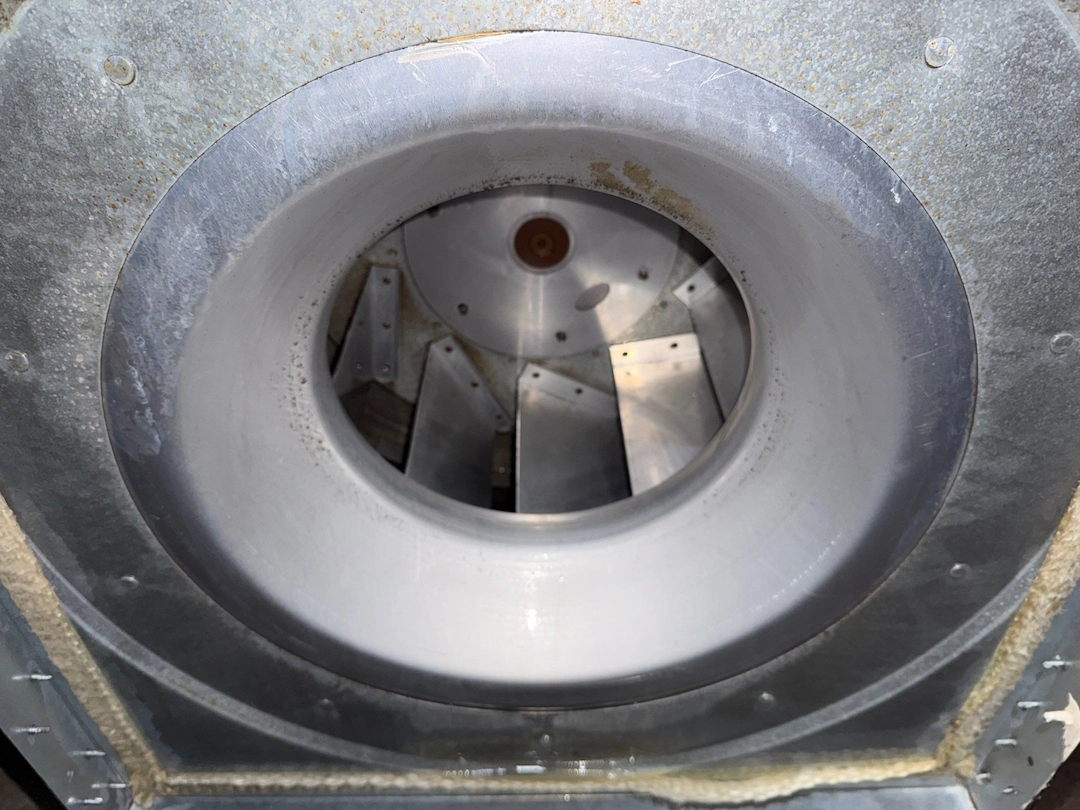
When I say preventative kitchen maintenance, I am talking about a systematic approach to keeping every part of your exhaust system clean and functional. This includes the hood, ductwork, exhaust fan, grease trap, and fire suppression system. It is not just about aesthetics. It is about fire safety and compliance with standards like NFPA 96. That standard lays out the bare metal standard, which means that after cleaning, the metal surfaces of the exhaust system should be free of any visible grease or residue. No grease buildup, no oily film, nothing that could fuel a fire.
I have been in kitchens where the hood looked clean from the front but the ductwork behind it was caked with layers of grease. That is the kind of situation that makes a fire inspector write a violation report. And it is exactly the kind of situation that a consistent schedule of kitchen exhaust cleaning prevents. You do not want to be the restaurant that has to close for a day or more because a fire code violation was found during a routine NFPA inspection.

The Real Cost of Skipping Maintenance
Some operators think they are saving money by pushing hood cleaning further out. They see it as an expense that does not directly bring in revenue. But that is short-term thinking. I have seen the aftermath of a kitchen fire that started in the ductwork. The damage was extensive. The kitchen was closed for weeks. The insurance claim was a nightmare. And the restaurant never fully recovered its reputation. All of that could have been avoided with regular grease removal and a properly maintained fire suppression system.
There is also the cost of non-compliance. NFPA 96 is adopted by most local fire codes. If your kitchen fails an inspection, you may face fines, a shutdown order, or both. And even if you do not get caught, you are running a serious risk every day you operate with a dirty exhaust system. The bare metal standard exists for a reason. It is not just a guideline. It is a proven method to reduce the risk of fire.
How to Build a Preventative Maintenance Routine
I have found that the best approach is to treat your exhaust system like any other critical piece of equipment. You would not run a fryer without cleaning the oil regularly. The same logic applies to your ventilation hood and ductwork. Here is what a solid routine looks like:
- Schedule professional kitchen exhaust cleaning at least every six months, or more often if your cooking volume is high. A clean hood and ductwork are the first line of defense against grease buildup.
- Inspect your hood filter weekly. If it is clogged with grease, it is not doing its job. Replace or clean it as needed.
- Test your fire suppression system monthly. That includes checking the fusible links and making sure the system is charged and ready. UL 300 is the current standard for these systems, and your equipment should be listed under it.
- Keep a log of all maintenance activities. Inspectors love to see records. It shows you are serious about compliance.
I have worked with kitchens that follow this kind of routine, and they rarely have surprises during inspections. They also experience fewer equipment breakdowns and less downtime. That is the kind of return on investment that shows up on your bottom line.
Common Mistakes I See
One mistake I see often is thinking that hood cleaning is the same as kitchen exhaust cleaning. Hood cleaning usually refers to cleaning the visible parts of the ventilation hood and the hood filter. But the exhaust system includes the ductwork, the exhaust fan, and sometimes the grease trap. If you only clean the hood, you are leaving the most dangerous part of the system untouched. Grease travels through the ductwork and can build up far from the cooking line. A fire that starts there can spread quickly and be hard to control.
Another mistake is ignoring the fire suppression system. I have walked into kitchens where the system was outdated or had not been inspected in years. That is a serious risk. A fire suppression system that does not work when you need it is worse than no system at all, because you might rely on it. Make sure your system meets current standards, like UL 300, and that it is inspected and tested by a qualified professional at least once a year.

The Role of NFPA 96 and the Bare Metal Standard
NFPA 96 is the standard that governs fire safety in commercial kitchen exhaust systems. It covers everything from design and installation to cleaning and maintenance. The bare metal standard is a key part of that. It means that after cleaning, the interior surfaces of the exhaust system should be free of any visible grease. This is not just about aesthetics. It is about removing fuel for a fire. When you think about it, the exhaust system is like a chimney. If it is not cleaned, it can catch fire. And a grease fire in a restaurant is one of the most dangerous things you can deal with.
I have seen kitchens that take the bare metal standard seriously. They schedule regular cleanings, they keep records, and they treat their exhaust system with the same care they treat their cooking equipment. Those kitchens are safer, more efficient, and less likely to face surprises from an inspector. And they are also more likely to pass an NFPA inspection without any violations.
One thing I want to emphasize is that preventative kitchen maintenance is not just about passing inspections. It is about protecting your people, your customers, and your business. A fire in a commercial kitchen can be devastating. It can cause injuries, destroy property, and put you out of business for good. The cost of regular maintenance is small compared to that risk.
Practical Steps You Can Take Right Now
If you are not sure where your kitchen stands, start by scheduling a thorough kitchen exhaust cleaning with a certified professional. Ask them to show you the condition of your ductwork and exhaust fan. If there is grease buildup, you know what you need to do. Next, check your fire suppression system. Find out when it was last inspected and whether it meets UL 300 standards. If it does not, get it upgraded. Finally, make a schedule. Put your maintenance dates on a calendar and stick to them. Treat them like any other important appointment.
I have also found that involving your staff in basic maintenance helps. Train them to spot signs of grease buildup on the hood filter and to report any issues. They are the ones working in the kitchen every day. They can be your eyes and ears when it comes to fire safety. A little awareness goes a long way.
Remember that restaurant compliance is not a one-time thing. It is an ongoing commitment. The best kitchens I have worked with treat maintenance as part of their culture, not as a chore they have to do. They understand that a clean kitchen is a safe kitchen, and that safety is good for business.
Preventative kitchen maintenance is the foundation of that culture. It keeps your exhaust system clean, your fire suppression system ready, and your kitchen safe. It saves you money in the long run by preventing fires, avoiding fines, and reducing equipment wear. And it gives you peace of mind, knowing that you are doing everything you can to protect your business.
So take it seriously. Schedule those cleanings. Keep those records. And never think that a little grease buildup is no big deal. In a commercial kitchen, it is always a big deal.
