Why Indoor Air Quality Testing Matters More Than You Think
What is actually in the air you breathe at home?
Most people assume that if their house looks clean and smells fine, the air must be safe. But that assumption can be dangerously wrong. I have spent years working with homeowners who thought they had nothing to worry about, only to discover hidden threats lurking in their basements and crawl spaces. The truth is that the air inside your home can contain contaminants you cannot see, smell, or taste, and some of them pose serious health risks over time.
That is where indoor air quality testing comes in. A proper test does not just check for dust or pollen. It looks for specific pollutants like radon gas, VOCs, mold spores, carbon monoxide, and particulate matter. Each of these can affect your health in different ways, and the only way to know what you are dealing with is to test.
Radon gas is the hidden danger many homeowners ignore
Radon gas is a radioactive gas that comes from the natural breakdown of uranium in soil and rock. It seeps into homes through cracks in the foundation, gaps around pipes, and even through the water supply in some cases. You cannot see it, smell it, or taste it. According to the EPA, radon is the second leading cause of lung cancer risk after smoking. In Pennsylvania, the problem is especially serious. The Pennsylvania Department of Environmental Protection estimates that about 40 percent of homes in the state have radon levels above the EPA action level.
I have tested homes in York County where the radon levels were more than ten times the recommended limit. The homeowners had no idea. They had lived there for years. Some had children. That is the scary part. You cannot rely on your senses. You need radon testing, which is a specific type of indoor air quality testing that focuses on this gas. A standard home inspection may not include it unless you ask.
How radon mitigation works when levels are high
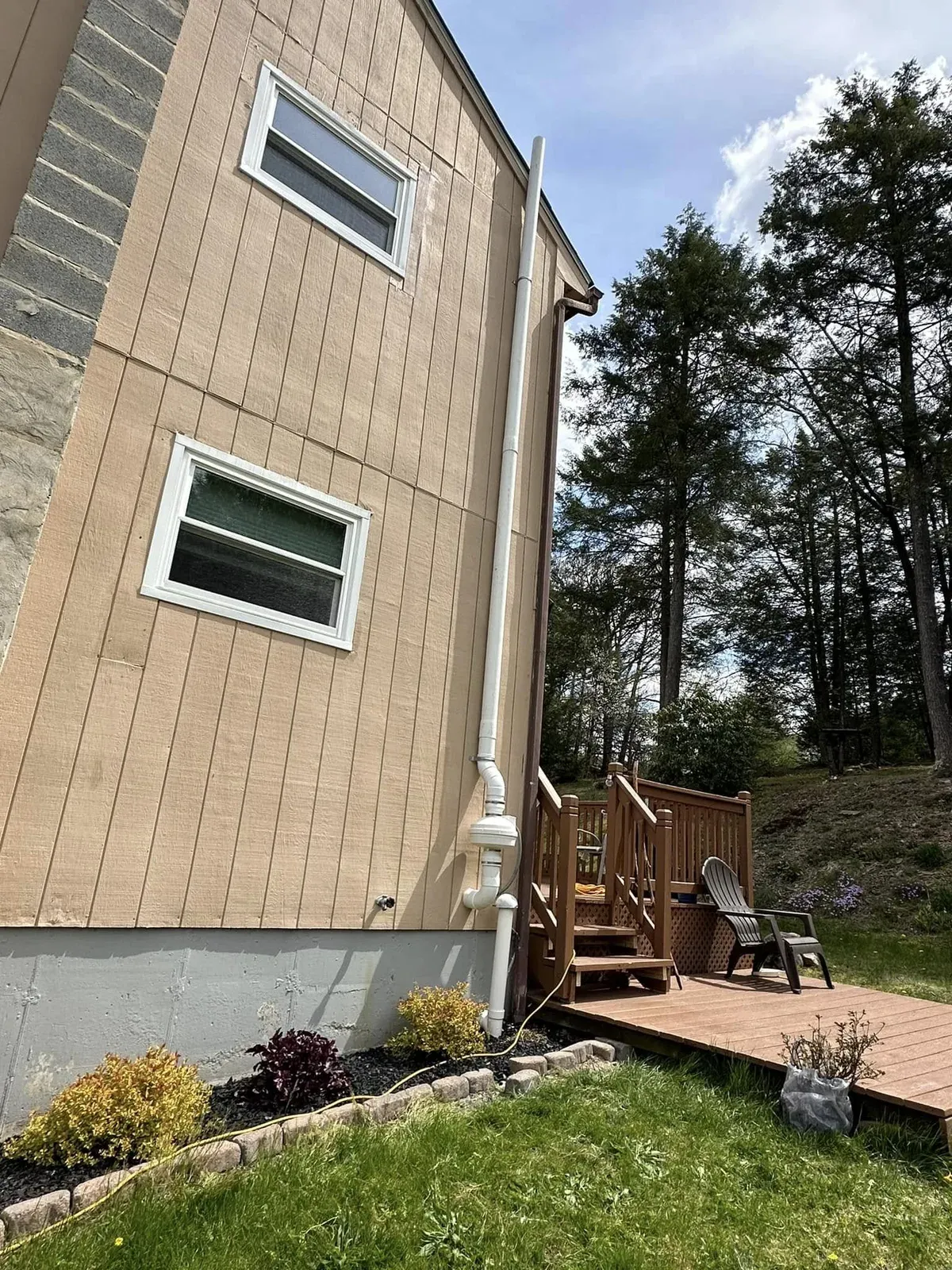
If your test shows high radon levels, the next step is radon mitigation. This is not the same as air purification. Standard air purifiers do not remove radon gas because it is not a particle. Radon gas requires a different approach. The most common and effective method is sub-slab depressurization. This involves creating a suction point beneath the concrete slab of your basement, then using a radon fan to draw the gas out and vent it safely above the roofline. Once the radon reduction system is installed, the gas never enters the living space in the first place.
I have installed hundreds of these systems. The key is proper design. You need the right fan size, the right pipe placement, and a good seal on the slab. A poorly installed system can leave gaps that still allow radon to enter. That is why professional radon abatement matters. It is not a DIY weekend project. Getting it right means the difference between a safe home and a false sense of security.
Beyond radon: other pollutants that affect your health
Radon gets a lot of attention, but it is far from the only problem. Indoor air quality testing can also reveal high levels of VOCs. These are chemicals that off-gas from paints, furniture, cleaning products, and even some carpets. Short-term exposure can cause headaches and dizziness. Long-term exposure has been linked to more serious health issues. If you have a newer home or recently renovated, VOCs can be a real concern.
Mold spores are another common finding. Mold grows wherever there is moisture and organic material. A leaky pipe, a damp basement, or poor ventilation in a bathroom can all lead to mold growth. For people with asthma or allergies, mold spores are powerful asthma triggers. Even if you are healthy, breathing in mold spores over time can cause respiratory problems. Humidity control is a big part of preventing mold. Keeping indoor humidity between 30 and 50 percent can make a difference. Sometimes a dehumidifier helps, but sometimes the problem is in the HVAC system or the building envelope.
Carbon monoxide is the one most people know about, but it still kills people every year. Unvented gas appliances, clogged chimneys, or running a car in an attached garage can all produce dangerous levels. A good indoor air quality test includes carbon monoxide detection, and every home should have a separate CO alarm as well.
Particulate matter is the dust and soot that floats in the air. Fine particles can get deep into your lungs and cause inflammation. If you use a wood stove or live near a busy road, particle levels can be higher than recommended. Air purification with a HEPA filter can help, but it works best when you also control the sources.
When and how often should you test your air?
There is no one-size-fits-all answer, but a few guidelines apply. For radon specifically, the EPA recommends testing every two years. If you have done radon mitigation, test again after the system is installed to make sure it works. Then retest every couple of years because the system can fail, or the ground can shift and create new entry points.
For other pollutants, test whenever you notice changes. If you start having headaches, allergy symptoms, or breathing problems at home, test. If you have done a renovation, test. If you notice a musty smell, test for mold. A home inspection is a good time to ask for comprehensive indoor air quality testing as an add-on. Many inspectors offer it now, but you have to request it.
What about radon test kits? Are they reliable?
You can buy a radon test kit at a hardware store or online. They are a good starting point. You set it up in the lowest livable level of your home, leave it for the required time, then mail it to a lab. The lab sends back a result. The problem is that short-term test kits can be affected by weather, ventilation, and even where you place the kit. A bad result can tell you there is a problem, but a good result does not guarantee safety if the conditions were not right.
For a more reliable picture, I recommend a long-term test that lasts 90 days to a year. That gives you an average level that accounts for seasonal changes. If you want real certainty, hire a professional who uses continuous radon monitors. They can give you a reading in 48 hours with much less chance of error. Professional indoor air quality testing usually includes this kind of equipment.
Putting it all together: a practical approach
Start with a radon test kit or call a professional for a full assessment. If radon is high, move to radon mitigation. If other pollutants show up, address the source. For VOCs, increase ventilation and use low-VOC products. For mold, fix the moisture problem and clean the area. For particulate matter, consider air purification with a proper filter. For carbon monoxide, fix the appliance or vent.
Your HVAC system plays a big role in all of this. A well-maintained system with good filters and proper airflow can dilute contaminants and keep humidity in check. But it cannot fix a radon problem. That requires a dedicated radon reduction system. And if you have a radon fan installed, make sure it runs continuously. Some people turn them off to save electricity, but that defeats the purpose.
The bottom line is that you cannot manage what you do not measure. Indoor air quality testing gives you the data you need to make smart decisions about your health and your home. It is not expensive compared to the cost of a medical problem or a major remediation. And in a place like York County, where radon is a known issue, it is simply the responsible thing to do.
