When to Visit an Emergency Dentist Immediately
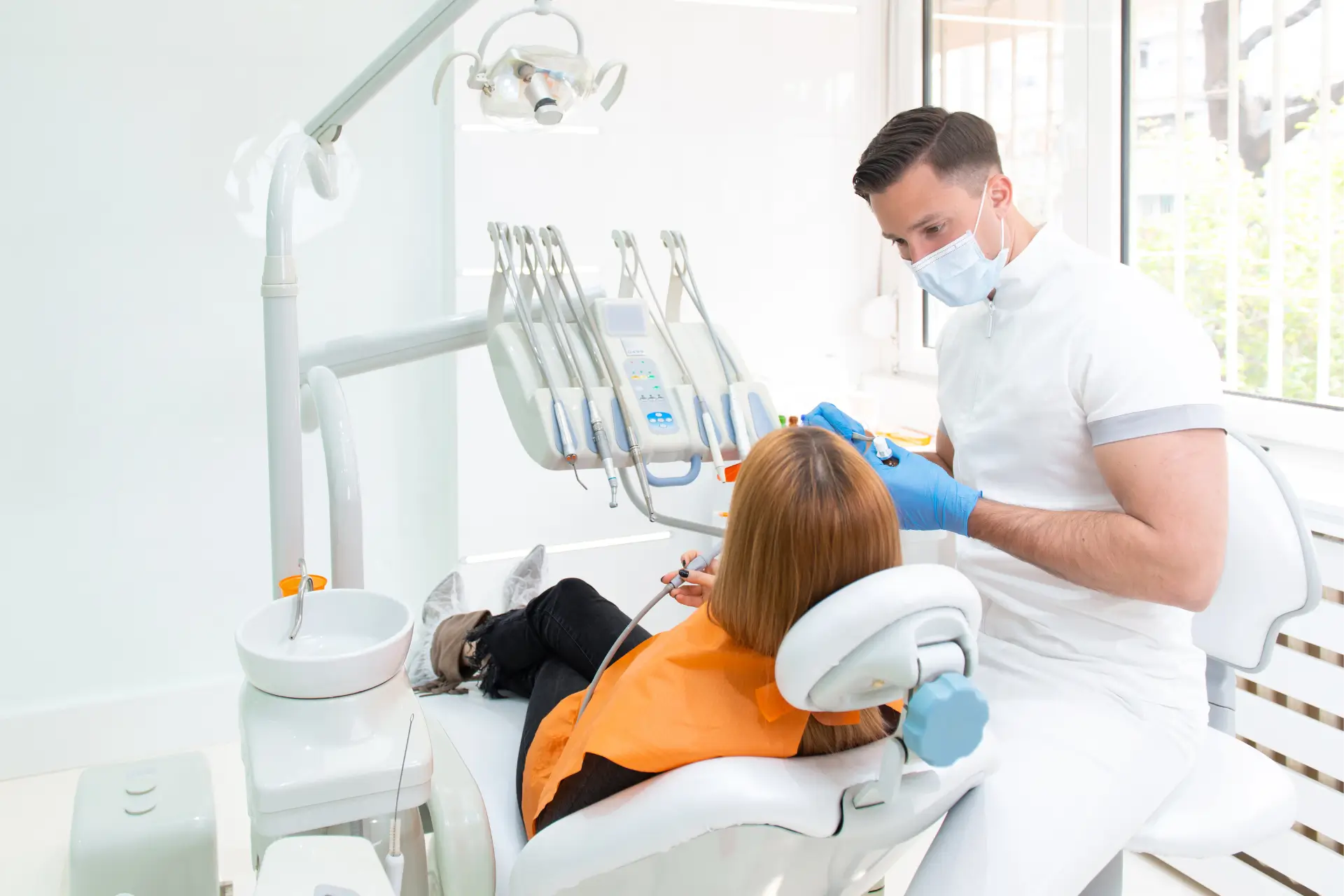
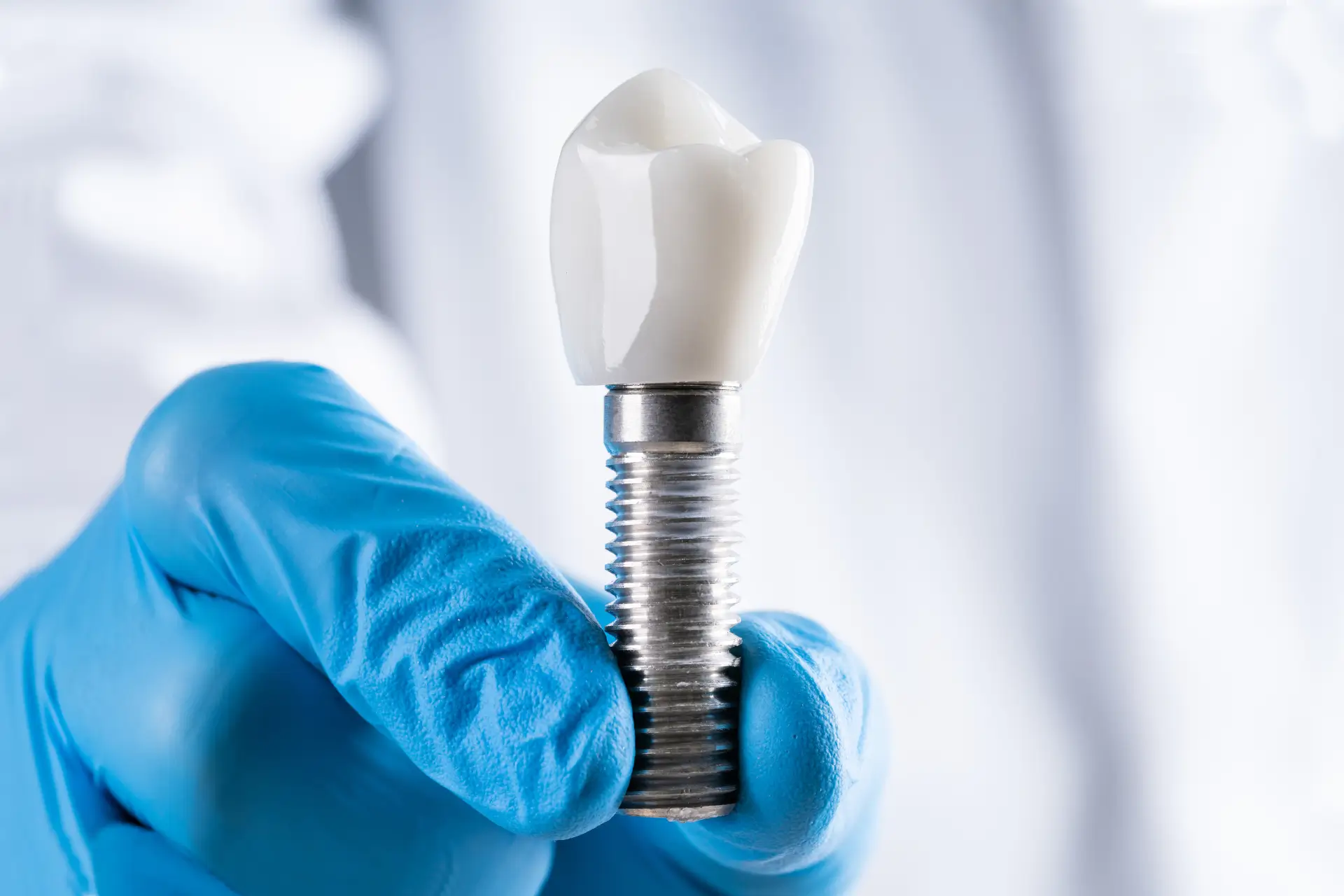
Dental pain has a way of taking over everything. It can wake you at 2 a.m., make it hard to think straight at work, and turn a normal meal into something you dread. Still, not every tooth problem is an emergency, and that distinction matters. Some issues can wait a day or two for a routine appointment. Others need care the same day, sometimes within hours, because the risk is not just pain, but infection, permanent damage, or loss of the tooth.
People often hesitate longer than they should. They hope the pain will fade, assume swelling will go down on its own, or try to manage the situation with over the counter remedies. Sometimes that works for a minor irritation. In a true Dental Emergency, delay can make treatment more invasive, more expensive, and less successful. A cracked tooth that might have been bonded can split deeper. A knocked out tooth that might have been saved can become unsalvageable. An untreated dental infection can spread beyond the mouth.
The challenge is that urgent dental problems do not always look dramatic at first. A small chip may be cosmetic, but a “small” ache can signal a deep abscess. A little swelling in the gum can become a major problem overnight. Knowing what requires immediate attention helps you act early, which is often the difference between preserving a tooth and losing it.
The situations that should never wait
Some symptoms deserve prompt evaluation, even if you are not sure what caused them. If you have any of the following, contact an emergency dentist right away:
- Severe tooth pain that is constant, throbbing, or worsening
- Swelling in the gums, face, or jaw, especially if it spreads
- A knocked out, loose, or significantly displaced adult tooth
- Bleeding that does not stop after pressure is applied
- Signs of infection such as pus, a bad taste in the mouth, fever, or trouble swallowing
These are the presentations that most often indicate active infection, trauma, nerve involvement, or uncontrolled bleeding. They do not always mean the outcome will be severe, but they do mean time matters.
Take facial swelling seriously. When swelling starts to involve the cheek, under the jaw, or the area near the eye, it moves beyond an ordinary toothache. In practice, these are the cases that can deteriorate fastest. The mouth is full of bacteria, and infections here do not always stay local. If you also feel feverish, weak, or have difficulty opening your mouth, speaking clearly, or swallowing, you need urgent dental or medical care that day.
A knocked out adult tooth is one of the clearest emergencies in dentistry. The window for saving it is short, often measured in minutes rather than days. If the tooth can be properly repositioned and stabilized quickly, the odds improve significantly. The same urgency applies to a tooth that has been pushed out of place after a fall, sports injury, or collision. Even if the tooth is still in the mouth, it should be assessed immediately.
Pain is not always a guide, but it matters
One of the biggest misconceptions patients have is that the intensity of pain tells you exactly how serious a problem is. It does not. Some very urgent dental issues hurt intensely. Others are surprisingly quiet until they are advanced.
A deep cavity that has reached the nerve often causes sharp pain with cold, heat, or biting. That kind of pain may come and go for a while, then shift into a constant throb. Once the discomfort begins waking you from sleep or lingering long after a trigger, the pulp inside the tooth is often severely inflamed or infected. That is not a “watch it and see” situation.
At the same time, some abscesses drain enough pressure that the pain temporarily decreases. Patients sometimes interpret that as improvement, when in fact the infection is still active. A pimple-like bump on the gum near a tooth, especially if it drains fluid or gives a foul taste, often points to an underlying abscess. The pain may be mild. The problem is not.
On the other hand, a brief zing from cold water in a tooth with gum recession may be uncomfortable but not necessarily an emergency. Sensitivity alone, without swelling, trauma, fever, or severe ongoing pain, can usually wait for a prompt but non-emergency dental visit. Judgment matters here. The question is not simply, “Does it hurt?” but “What pattern does the pain follow, and what else is happening around it?”
Swelling changes the urgency
Among all dental symptoms, swelling is one of the most important to respect. A little tenderness around the gum can come from irritation, trapped food, or a minor local issue. Visible swelling of the gum, cheek, jawline, or floor of the mouth is different.
When swelling is limited and you otherwise feel well, an emergency dentist may be able to manage it in the office with drainage, treatment of the source, and medication when indicated. When swelling is spreading, affecting your ability to breathe or swallow, or paired with fever or malaise, the matter may extend beyond dental care alone. At that point, an emergency room may be the safer first stop, especially after hours.
Patients often ask whether antibiotics alone can solve a dental infection. Sometimes they help control the spread, especially when swelling is present, but they do not fix the source. If the cause is an infected pulp, a deep periodontal issue, or a cracked tooth harboring bacteria, the tooth itself or surrounding tissues still need treatment. Antibiotics without dental care often buy time and little else.
Trauma to a tooth or jaw needs quick judgment
A chipped front tooth after biting into something hard may look alarming but not always require same hour treatment. If the chip is small, there is no severe pain, and the tooth is not loose, it is usually urgent rather than emergent. It should still be examined soon because even a modest fracture can expose dentin, increase sensitivity, and create a rough edge that worsens over time.
The situation becomes more serious when the fracture is large, painful, bleeding from inside the tooth, or leaves the tooth mobile. A crack that runs vertically can be especially problematic. Those are the teeth patients often describe as “hurting when I let go after biting.” The release pain can be a clue to a structural crack, and the longer it goes untreated, the less likely conservative repair becomes.
A blow to the face also raises concerns beyond the teeth. If your bite suddenly feels off, you cannot open or close comfortably, or your jaw shifts to one side, the injury may involve the jaw Dental Emergency joint or bone. Dental offices vary in what trauma they can handle immediately, so calling ahead matters. If there is facial asymmetry, severe jaw pain, numbness, or suspected fracture, hospital assessment may be appropriate.
Children add another layer of complexity. A knocked out baby tooth is not managed the same way as a knocked out adult tooth. Baby teeth are generally not replanted because doing so can harm the developing permanent tooth underneath. Parents often panic and try to “put it back,” which is understandable, but that is one situation where waiting for professional instructions is better than improvising.
The lost filling that can wait, and the one that cannot
Not every damaged restoration is a true emergency. A crown that comes off cleanly, without pain, often feels dramatic but may not require immediate after-hours treatment. It does, however, deserve prompt attention because the exposed tooth can shift, become sensitive, or fracture if left unprotected.
A lost filling may also wait a short time if the tooth is not painful and the area can be kept clean. The danger comes when the exposed tooth has sharp edges, significant sensitivity, or visible decay. If a large portion of tooth structure is already missing, the tooth is at greater risk of breaking further under normal chewing forces. Someone who loses a small filling while eating can often manage until the next available appointment. Someone who loses a large filling from a back molar and then feels pain with every bite needs faster care.
The difference is not just comfort. Once a weakened tooth breaks below the gumline, options narrow quickly. What could have been a new filling or crown may become root canal treatment, extraction, or both.
Bleeding in the mouth deserves context
The mouth bleeds easily. Because the tissues are vascular, even minor cuts can produce more blood than people expect. A small amount of bleeding after flossing too hard, biting your cheek, or having a recent extraction is not unusual. Persistent bleeding that does not slow after firm pressure is another matter.
If you have had an extraction and the socket keeps oozing for hours, that may still be manageable with correct pressure, gauze, and instructions from your dentist. Bright red bleeding that fills the mouth repeatedly, especially in someone taking blood thinners or with a clotting issue, should not be ignored. Bleeding after trauma can also conceal a deeper injury, including a laceration that needs repair or a tooth root fracture below the surface.
It is worth noting that “blood in the sink” looks dramatic when mixed with saliva. That visual can make a modest amount seem massive. Still, if the bleeding does not stop with proper pressure, or if the source is unclear after an injury, you need urgent professional assessment.
What to do in the first few minutes
Immediate self-care does not replace treatment, but it can protect the tooth and reduce complications while you arrange help. These steps are practical and worth remembering:
- If an adult tooth is knocked out, hold it by the crown, not the root, rinse it gently if dirty, and try to place it back in the socket or keep it in milk while you get to a dentist
- Apply a cold compress to the outside of the face for swelling or trauma
- Rinse gently with warm salt water if the mouth is sore or irritated, but do not scrub an injured area
- Use gauze or a clean cloth for steady pressure if bleeding is present
- Take pain relievers as directed, but do not place aspirin directly on the gum or tooth
That last point comes up more often than many people realize. Placing aspirin on a painful tooth is an old home remedy that can burn the gum tissue and make the situation worse. So can using clove oil excessively or pressing unapproved filling materials into a deep cavity without understanding the extent of the damage.
If a crown falls off, keep it and bring it to the appointment. If a tooth breaks, save any pieces if you can. If braces or a wire are causing trauma inside the cheek, orthodontic wax can provide temporary relief until you are seen.
When the emergency room is the better choice
Emergency dentists and hospital emergency rooms do not do the same job. This confuses patients all the time, and it leads some to seek care in the wrong place.
An emergency dentist is usually the best option when the problem is centered on the teeth or gums and can likely be treated in a dental setting. That includes toothaches, abscesses, broken teeth, dislodged crowns, and dental trauma without broader medical complications. The dentist can diagnose the source, take dental radiographs, drain certain infections, stabilize teeth, open a tooth to relieve pressure, or arrange extraction or specialist care.
A hospital emergency room is often the better choice when the dental problem comes with systemic symptoms or injuries that extend beyond the tooth itself. Trouble breathing, difficulty swallowing, high fever, severe facial swelling, uncontrolled bleeding, confusion after facial trauma, or suspected jaw fracture all merit medical evaluation. ER physicians can manage airway concerns, imaging needs, severe infections, pain control, and urgent stabilization. What they often cannot do is provide definitive dental treatment on the spot.
This distinction matters because many people leave the ER with antibiotics and pain medication, then assume the issue is solved. It usually is not. If you go to the ER for a dental infection, you still need follow-up dental treatment as soon as possible to remove the source.
Problems that feel urgent but may not be immediate emergencies
It helps to know what commonly causes anxiety without requiring same-hour care. A dull toothache that is mild, intermittent, and not associated with swelling can often wait for a regular appointment within a day or two. Mild sensitivity to cold, a chipped tooth with no pain, a loose temporary crown, or food trapped around the gumline can usually be managed short term.
That said, dental problems are notorious for changing fast. A tooth that was merely annoying in the morning can become much worse by evening. The practical test is whether the problem is stable, tolerable, and isolated, or whether it is escalating. If you are taking more pain medicine than expected, if you cannot chew on one side at all, if swelling starts, or if sleep becomes impossible, move it into the urgent category.
I have seen patients try to “get through the weekend” with a cracked molar held together by caution and soft foods, only to have it split completely on a sandwich the next day. I have also seen people rush in convinced they needed an emergency extraction, when the true issue was a seed husk wedged under the gum. The safest approach is not to self-diagnose too confidently, especially when pain is intense or symptoms are changing quickly.
Why timing can save the tooth
The reason dentists emphasize speed is not simply scheduling pressure. It is biology. Teeth that are avulsed, fractured, infected, or displaced respond differently depending on how long tissues stay inflamed, contaminated, or deprived of blood supply.
A knocked out tooth has a better chance when handled properly and reimplanted quickly. A tooth with irreversible pulp damage may still be saved with root canal treatment if addressed before infection spreads. A fracture above the gumline may be restorable today and unrestorable next week if another crack forms. Gum and bone injuries also heal better when repositioned and stabilized promptly.
This is why “I wanted to wait and see” is such a common turning point in difficult cases. There is nothing irrational about hoping symptoms settle down. The problem is that some dental conditions cross from manageable to complex with very little warning.
Choosing an emergency dentist when you are under pressure
People rarely shop for emergency care at leisure. Most do it while in pain, often after hours, and that makes clear communication essential. Look for a practice that can tell you whether they handle same-day emergencies, trauma, infection, and radiographs on site. Ask what symptoms would require immediate attention versus an appointment later that day. If they cannot see you, they should be able to guide you toward an appropriate next step, whether that is another dental office, an oral surgeon, or a hospital.
Do not let embarrassment delay the call. Dentists see broken teeth, neglected cavities, failed home repairs, sports injuries, and severe anxiety every day. A patient who says, “My face is swelling and I can’t sleep from this tooth,” gives a much clearer picture than someone who says, “I think I might need a cleaning soon.”
If you can, note when the pain started, whether it is constant or triggered, whether swelling is present, your temperature if you have taken it, and any recent dental work or injury. Those details help the office judge urgency accurately.
The sensible rule to remember
When a dental problem involves significant pain, swelling, trauma, bleeding, or infection, it is no longer just an inconvenience. It may be a Dental Emergency, and the best outcomes usually come from acting sooner, not later.
A useful rule is simple. If the issue is getting worse, affecting your ability to eat, sleep, breathe, swallow, or function normally, seek immediate care. If a tooth has been knocked out, moved, or broken badly, seek immediate care. If you have swelling of the face or jaw, a fever, pus, or a bad taste that suggests infection, seek immediate care.
Teeth do not heal the way skin does. A cavity does not reverse itself, a cracked cusp does not reattach, and an abscess does not become harmless because the pain faded for a few hours. Prompt treatment is what keeps a dental problem from becoming a broader medical one.
Vitality Dental
Address: 1220 Coit Rd #106, Plano, TX 75075
Phone number: +19726454100
FAQ About Dental Emergency
What can the ER do for a tooth?
An emergency room (ER) can manage pain and treat severe infections with medication, but it cannot fix or pull a tooth.
What is considered a dental emergency?
A dental emergency is any oral health problem that involves severe pain, uncontrollable bleeding, or an infection that threatens your health or requires immediate care to save a tooth.
Is there a 24-hour dental service in Plano, TX?
There is no physical dental clinic in Plano, Texas, that stays open with walk-in staff 24 hours a day, but several offices offer 24/7 phone support, late-night hours, or same-day emergency care.
