What to Look for When Hiring a Roofer in Cedar Park
Your roof stands between your home and the Texas weather. In Cedar Park, that means intense sun, sudden thunderstorms, and the occasional hailstorm that can leave shingles cracked or missing. When problems appear, you need someone who knows the local climate and the common roofing materials used in the area. Finding the right help starts with knowing what questions to ask and what warning signs to watch for.
Why Local Experience Matters
Roofing contractors who work primarily in one region understand the specific challenges that homes face there. In the Cedar Park area, summer heat can make asphalt shingles brittle over time, while spring storms often bring wind-driven rain that tests flashings and valleys. A roofer who has dealt with these conditions repeatedly knows which materials hold up best and how to spot trouble before it turns into a leak.
That local knowledge also extends to building codes and permit requirements. Cities and counties in Central Texas have their own rules about roofing work, especially for structural repairs or full replacements. A contractor who is active in the community will already be familiar with those regulations, which can save you delays and unexpected costs.
Signs of a Reliable Contractor
Start by looking for a company that offers a thorough roof inspection before giving you a quote. A visual check from the ground can miss a lot. A proper inspection should include walking the roof, checking flashings around chimneys and vents, examining the condition of shingles or metal panels, and looking for signs of moisture in the attic. If a contractor tries to give you a price without setting foot on the roof, that is a red flag.
Another good sign is clear communication about what the work will involve. A trustworthy contractor will explain the scope of repairs, the materials they plan to use, and the timeline for completion. They should also be willing to answer questions about how they handle unexpected problems, such as discovering rotted decking once the old shingles are removed.
Insurance is another area where you should not take shortcuts. Any serious roofing company should carry both liability insurance and workers' compensation coverage. You can ask for proof and verify it with the insurer. This protects you if a worker is injured on your property or if the work causes damage to your home.
Common Roofing Issues in Cedar Park
Homes in this part of Texas face a few recurring problems. Hail damage is at the top of the list. Even a moderate hailstorm can bruise asphalt shingles, reducing their lifespan and creating weak spots where leaks can start. Metal roofs can also suffer dents that affect appearance and, in severe cases, performance. A good contractor will be experienced in storm restoration and know how to assess whether a roof needs spot repairs or a full replacement.
Leak detection is another skill worth looking for. A leak might show up as a stain on the ceiling, but the actual source could be several feet away, hidden under shingles or behind a chimney flashing. A roofer who knows how to trace the path of water can save you from paying for unnecessary repairs.
Flat roofs are less common in residential neighborhoods, but they exist on some modern homes and additions. Flat roof repair requires different techniques than sloped roofs, especially when it comes to drainage and waterproofing. If your home has a flat section, ask the contractor about their experience with that type of system.
What a Good Roofer Will Do
A professional contractor will start with a detailed inspection and then give you a written estimate. The estimate should list the materials, the work to be done, and the payment schedule. It should also specify who is responsible for permits and for cleaning up debris after the job. No reputable company expects full payment upfront. A typical arrangement might involve a deposit with the balance due upon completion.
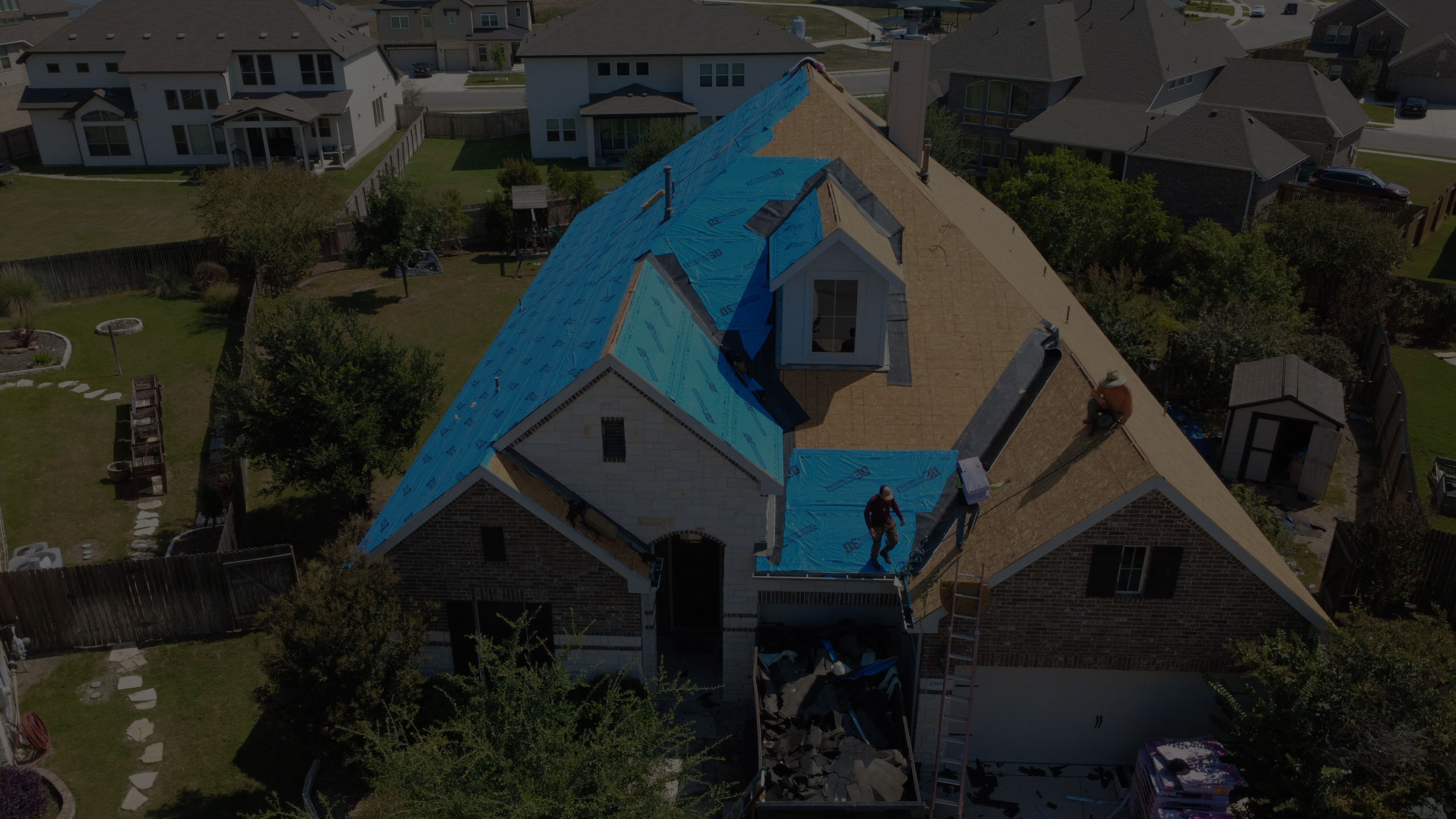
During the work itself, you should expect clean practices. That means a crew that covers landscaping and walkways, uses safety equipment, and removes old materials promptly. Good communication during the job is also important. If the crew discovers a problem that changes the scope of work, the contractor should discuss it with you before proceeding.
After the job, a reliable contractor will stand behind their work. That does not mean they will guarantee against hail or wind, but they should offer a warranty on materials and workmanship. Read the warranty carefully to understand what it covers and for how long.
Choosing Between Repair and Replacement
Not every roof problem requires a full tear-off. Sometimes a few missing shingles or a small leak can be fixed with a targeted repair. But there are situations where replacement makes more sense. If your roof is near the end of its expected life and has widespread damage, patching it may only delay the inevitable. A good inspector will give you an honest assessment of whether repairs will hold for several more years or if you would be better off replacing now.

Age is a factor. Asphalt shingles typically last 20 to 25 years in this climate. Metal roofing can last longer but may need attention at seams and fasteners. If your roof is older than 15 years and has been through several hail storms, it is worth having a professional take a close look.
The condition of the decking underneath the shingles also matters. If water has gotten in and rotted the plywood or OSB, that needs to be addressed regardless of whether you repair or replace. A thorough inspection will include checking the decking and the attic structure.
Questions to Ask Before Hiring
When you interview potential contractors, ask these questions:
- How long have you been working in Cedar Park and the surrounding areas?
- Will you provide a written estimate that breaks down materials and labor?
- Do you carry liability insurance and workers' compensation? Can I see proof?
- What warranty do you offer on materials and workmanship?
- How do you handle unexpected damage found during the job?
The answers will tell you a lot about how the company operates. A contractor who hesitates or gives vague answers is probably not the right choice. A company that answers clearly and provides documentation is more likely to deliver a good result.
What to Avoid
Watch out for storm chasers. After a big hailstorm, out-of-town contractors sometimes come through neighborhoods offering quick repairs. They may do substandard work and leave before any problems surface. A local contractor who has been in the area for years is accountable and easier to find if something goes wrong.
Also be wary of anyone who pressures you to make a decision on the spot or asks for a large cash deposit. Legitimate companies give you time to think and compare estimates. They also accept checks or credit cards and provide receipts.
If a contractor tells you that every roof on your street needs a full replacement, get a second opinion. While storm damage can be widespread, each roof is different. A thorough inspector will evaluate your roof individually.

Building a Long-Term Relationship
Your roof needs attention over time, not just when there is a crisis. A good Cedar Park roofing company can help you plan for the long haul. Regular inspections, especially after severe weather, can catch small problems before they turn into expensive repairs. Some homeowners set up a schedule where a roofer checks the roof twice a year, in the spring and fall, to look for loose shingles, damaged flashings, and other issues.
If you find a contractor who does good work and communicates well, stick with them. They will already know your roof's history and can spot changes quickly. That kind of relationship is valuable, especially when a storm rolls through and you need help fast.
Taking the time to choose carefully now will save you money and frustration later. Whether you need a simple repair or a full replacement, the right contractor will make the process smoother and give you confidence that the work is done right. And when the next hailstorm hits, you will be glad you have someone reliable to call.
