What should I upload to the cloud so my Rolex info survives flooding?
If a hurricane sends water through your home, the loss may be more than a damaged watch. You could also lose the box, warranty card, purchase receipt, service paperwork, and the notes that help establish what you owned and what it was worth. A few well-organized digital records can make it easier to document a claim, arrange repairs, and consider financing options while your home and finances are under pressure.
The goal is not to put every detail of your life online. It is to create a secure, accessible record of the watch and the documents that support ownership, condition, and value. This guide explains what to upload, how to protect it, and why a cloud folder cannot solve the cash-flow problems that often follow a Florida storm.
Start with the records that identify the watch
Build your file around information that can help distinguish your Rolex from another watch of the same model. Save clear images and documents in cloud document storage, then keep a second copy somewhere separate from your home—such as an encrypted external drive stored with a trusted person.
1. Photos of the watch
Take several sharp, well-lit photos of the watch before storm season. Include images of the dial, case, bracelet, clasp, caseback, and any distinctive marks or existing damage. Photograph the watch from multiple angles and, if appropriate, include a close-up of identifying details. Don’t open the case or remove components just to get a picture; leave that work to a qualified watchmaker.
Keep original image files when possible. They may retain useful date and device information, although that information alone does not prove when or where a photo was taken. Add a short note describing the watch and the date you photographed it. If you have photos showing the watch being worn or stored before the loss, preserve those too.
2. Serial number backup and model details
Create a separate text or PDF record with the serial number, model or reference number, approximate purchase date, and any identifying features. A serial number backup is useful only if you can read it later, so check the image or document for legibility. Avoid posting the serial number publicly or sharing it in an unsecured link.
Rolex serial-number locations and access vary by watch and production era. If you can’t confirm the number from your paperwork, ask an authorized retailer or qualified watch professional rather than attempting to dismantle the watch. Include the watch’s current location in your private inventory, but don’t put a home address in filenames or documents you might share broadly.
3. Proof of purchase and ownership
- Original receipt, invoice, or bill of sale
- Warranty card and any accompanying paperwork
- Dealer or seller details and the purchase date
- Gift, inheritance, or transfer records, if relevant
- Prior insurance schedules or appraisals that list the watch
If the watch was bought privately, save the messages, payment record, and bill of sale if available. These materials may help tell a consistent ownership story. They do not guarantee that an insurer will accept a particular value or settle a claim in a particular way; policy terms and evidence requirements matter.
Capture condition, servicing, and accessories
Condition can affect value and may be important when documenting storm damage. Save service invoices, estimates, and records that describe the watch before the loss. If a watchmaker has noted a replaced part, polishing, or pre-existing damage, keep that paperwork too. Accurate records are more helpful than trying to present a watch as flawless.
Also photograph and list any items that came with it, such as the box, extra bracelet links, hang tags, or other accessories. These may matter to your personal inventory or to a valuation, depending on the circumstances. Keep the watch’s records together, but don’t assume the box or accessories need to be stored beside the watch during a storm.
Make your cloud folder useful in a stressful week
A folder that is technically backed up but hard to navigate is less useful when you are displaced, working with an adjuster, or trying to reach your insurer. Use simple filenames and a short index document. For example:
- Rolex_Model-Reference_Inventory.pdf
- Rolex_Photos_Front-Sides-Clasp_2026-08-01.zip
- Rolex_Receipt-and-Warranty.pdf
- Rolex_Service-Records.pdf
- Rolex_Appraisal-or-Insurance-Schedule.pdf
Put the key facts on the first page of the inventory: brand, model or reference, serial number, purchase date, current condition, and the contact details for your insurer or agent. Keep a copy of your policy and the declarations page in the same broader emergency folder, but separate it from records you might share with a watch dealer or lender.
Protect the records and your account
- Use a unique, strong password and multifactor authentication on your cloud account.
- Review sharing settings; use private access rather than a public link.
- Keep a second backup on an encrypted drive or with a trusted person outside your flood-prone area.
- Make sure a trusted family member knows how to reach the folder if you are unavailable.
- Test access from your phone and another device before hurricane season.
- Keep an offline note of account recovery steps in a secure place.
Cloud storage is a convenience, not a substitute for account security or a backup plan. If your phone is lost, your password is forgotten, or cellular service is disrupted, having another copy and a recovery method can make a real difference.
Understand the insurance gap before the storm
In Florida, hurricane deductibles are commonly percentage-based rather than a small, fixed dollar amount. The percentage generally applies to a policy limit specified in your policy—often the dwelling coverage limit—not simply to the value of the damaged watch. The miamiweekly exact calculation depends on your contract, insurer, and claim circumstances, so check your policy and ask your agent to explain it in writing.
Common hurricane deductible options: 2%, 5%, 10%. For example, if the applicable coverage limit is $500,000, a 2% deductible would be $10,000; 5% would be $25,000; and 10% would be $50,000. That is deductible math, not an estimate of what an insurer will pay for a watch. A percentage-based deductible can create a five-figure cash gap before insurance funds become available—and the deductible may apply to covered hurricane damage under the policy, not separately to each item.
Example coverage limit 2% deductible 5% deductible 10% deductible $500,000 $10,000 $25,000 $50,000 $750,000 $15,000 $37,500 $75,000
These figures are illustrations, not policy advice. Review your declarations page and the full policy for the applicable limit, deductible wording, exclusions, special limits, and requirements for scheduling valuable personal property. Ask your insurer whether the watch is covered under your homeowners policy, whether a separate scheduled-property endorsement or standalone policy is available, and what documentation and deductible would apply.
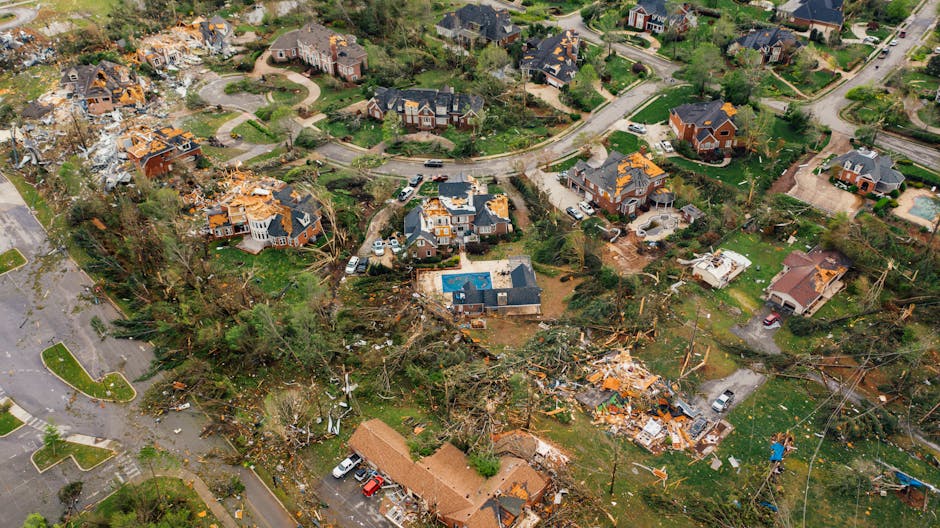
Photographs and receipts help support a record of ownership and condition, but they do not establish coverage by themselves. Keep your inventory current and confirm important coverage questions before a storm, when you have time to compare options.
Why cash can be tight after a storm
After a major hurricane, contractors may be booked out, suppliers may have limited stock, and banks may be managing a surge in requests. Even families with insurance can face immediate expenses while an inspection, estimate, or claim decision is pending. Post-storm liquidity is constrained when banks and contractors tighten up, and a large deductible can make the timing problem especially difficult.
Do not assume a new loan will arrive quickly. A HELOC application may require documentation, underwriting, an appraisal, or other steps. After a disaster, lenders may change procedures, pause applications, or limit access to new credit in affected areas. Existing credit lines can also have terms that differ from what you expect. Ask your lender about current requirements before hurricane season rather than counting on borrowing after a storm.
A cloud folder can help you respond efficiently, but it is not a source of emergency cash. Consider a broader plan: cash reserves you can safely access, a current understanding of insurance deductibles, and a list of financial contacts and account information stored securely.

Know the difference between valuation and liquidity tools
Secondary market pricing trackers
Secondary market pricing trackers, including WatchCharts, can offer useful context about observed market pricing for watches. They are reference tools, not appraisals, insurance valuations, or promises that a buyer will pay a particular amount. Prices can vary with condition, completeness, model, timing, and the venue where a sale occurs. Save a dated screenshot or report if it helps you track the market, but don’t treat a tracker as a substitute for an insurer’s required valuation or a qualified appraisal.
Collateral loan (watch held as security)
A collateral loan uses the watch as security: the lender or pawnbroker holds it while the loan is outstanding, subject to the agreement’s terms. This can be one possible liquidity route for an owner who has a valuable watch and needs funds, but it comes with costs, deadlines, and the risk of losing the watch if the loan is not repaid as agreed. Ask how the watch will be stored and insured, what happens if you miss a payment, and whether there are fees or renewal terms.
Companies such as Diamond Banc operate in the jewelry and luxury-asset lending space. If you explore a loan against a watch, compare offers, read the contract carefully, and verify the provider and custody arrangements. Morgan Stanley may be relevant to a household’s broader financial planning or banking relationships, but access to a particular product or credit line depends on eligibility, terms, and availability. Neither a watch loan nor a HELOC should be treated as guaranteed post-storm funding.
A practical pre-season checklist
- Photograph the watch clearly and save the original files.
- Record the model or reference, serial number, purchase date, and condition.
- Scan receipts, warranty documents, appraisals, and service records.
- Check whether the watch is scheduled or otherwise specifically covered.
- Confirm the hurricane deductible and the limit used to calculate it.
- Store copies in secure cloud document storage and in a separate backup location.
- Test access and account recovery, including from a trusted family member’s device if appropriate.
- Build a realistic post-storm cash plan that does not depend on fast new credit.
The bottom line
Upload photos of the watch, a legible serial number backup, proof of purchase, service history, appraisal or insurance records, and a concise inventory. Organize the files so you can find them quickly, protect access with strong security, and maintain a separate backup outside your home.
Most important, pair the paperwork with a clear understanding of your policy. Florida’s percentage-based hurricane deductibles can translate into five-figure out-of-pocket costs, while repairs and new credit may be delayed after a disaster. Better records can reduce confusion; checking coverage and planning for liquidity before storm season can help you make more informed decisions when conditions are difficult.
